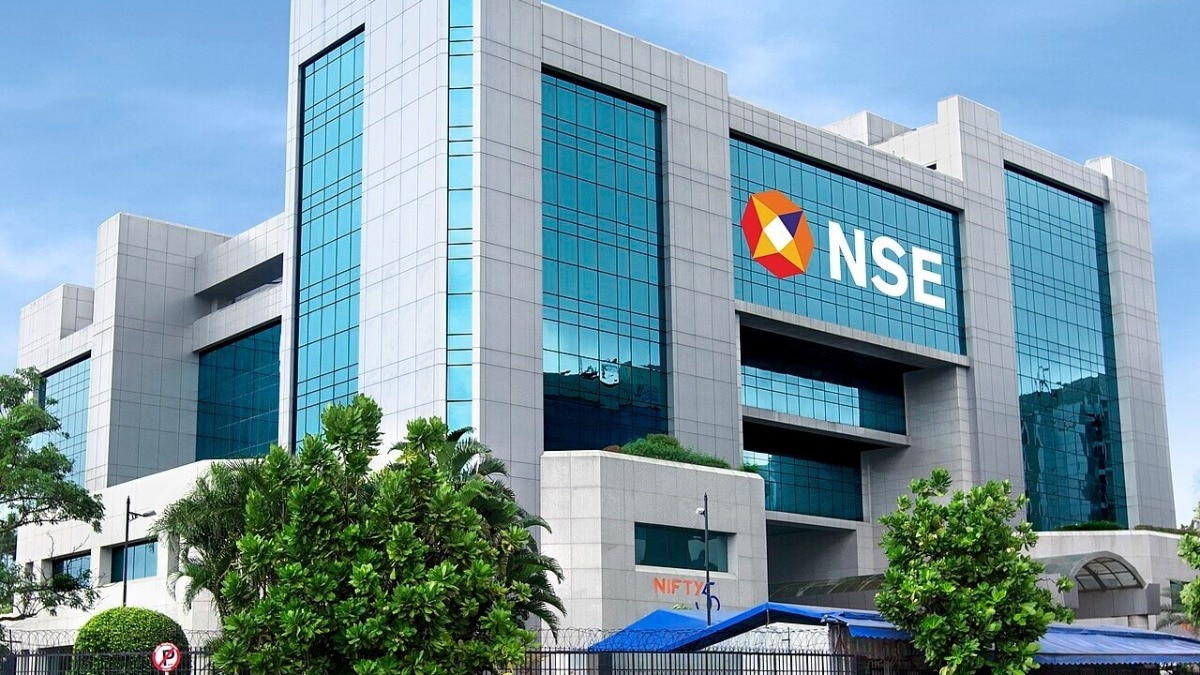
The National Stock Exchange (NSE) is eyeing a massive $55 billion valuation for its highly anticipated IPO, expected to launch in late September. The listing marks a pivotal moment for the world's largest derivatives exchange after years of regulatory hurdles.
- NSE seeking valuation up to $55 billion (approx. ₹5.26 lakh crore).
- IPO expected to launch in the second half of September 2026.
- The issue will be a 100% Offer for Sale (OFS) involving 14.89 crore shares.
- SEBI settlement of $155.83 million removes a major legal roadblock.
The National Stock Exchange (NSE), a titan in the global financial landscape, is preparing for one of India's most significant market entries. According to recent reports, the exchange is marketing its shares at a price range of Rs 2,000–2,100 per share. If the upper limit is achieved, the NSE's valuation will soar to approximately $55 billion, positioning it as the sixth-largest exchange operator globally by market value.
The upcoming IPO is structured entirely as an Offer for Sale (OFS). This means the NSE as a corporate entity will not raise fresh capital; instead, existing shareholders will liquidate their holdings. Specifically, shareholders are planning to offload up to 14.89 crore shares, which constitutes roughly 6% of the company's total equity. To manage this gargantuan task, the exchange has enlisted the expertise of 20 different banks.
Why This Matters
BozokMedia analysis shows that the NSE IPO is more than just a financial event; it is a litmus test for the Indian capital markets' maturity. By achieving a $55 billion valuation, the NSE validates India's position as a global hub for derivatives trading. The shift from a private entity to a publicly traded one will bring unprecedented transparency to the world's largest derivatives exchange by volume.
The resolution of the SEBI settlement is the true catalyst here, transforming the NSE IPO from a 'regulatory risk' into a 'blue-chip opportunity' for global investors.
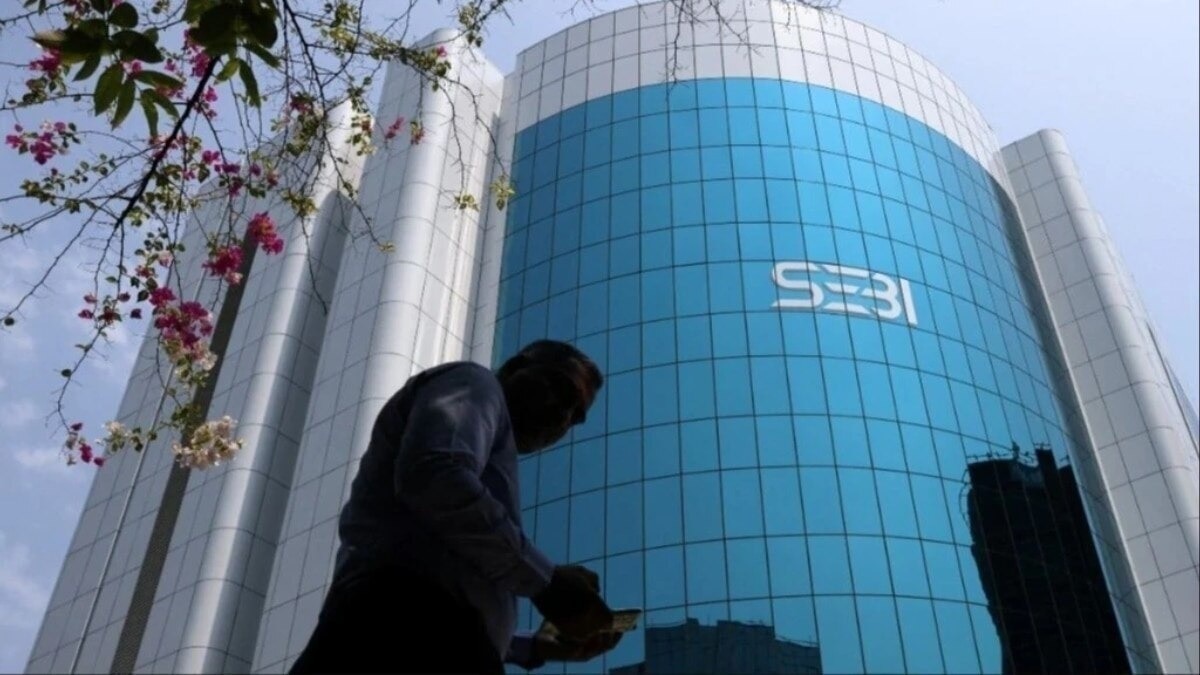
The road to the IPO has not been without obstacles. The launch, originally expected sooner, was pushed to the second half of September due to a three-week delay in regulatory approvals following changes in the list of selling shareholders. However, the most significant 'overhang'—a long-standing dispute with the Securities and Exchange Board of India (SEBI)—has been largely resolved.
The settlement involved allegations of governance lapses and failures in providing equitable access to trading members. By agreeing to a payment of $155.83 million, the NSE has effectively cleared the legal debris that had stalled its listing ambitions for years. This move has provided the necessary confidence for the global roadshows, which are nearly complete, with only Middle Eastern meetings remaining.
| Feature | Details |
|---|---|
| Target Valuation | Up to $55 Billion (₹5.26 Lakh Crore) |
| Expected Price Range | Rs 2,000 – Rs 2,100 per share |
| Issue Type | 100% Offer for Sale (OFS) |
| Shares Offered | 14.89 Crore (approx. 6% stake) |
Frequently Asked Questions
Will the NSE receive money from this IPO?
No, since the IPO is an Offer for Sale (OFS), all proceeds will go to the existing shareholders who are selling their stakes.
What caused the delay in the IPO launch?
The delay was primarily due to changes in the list of selling shareholders, which required an additional three weeks for regulatory approval from SEBI.