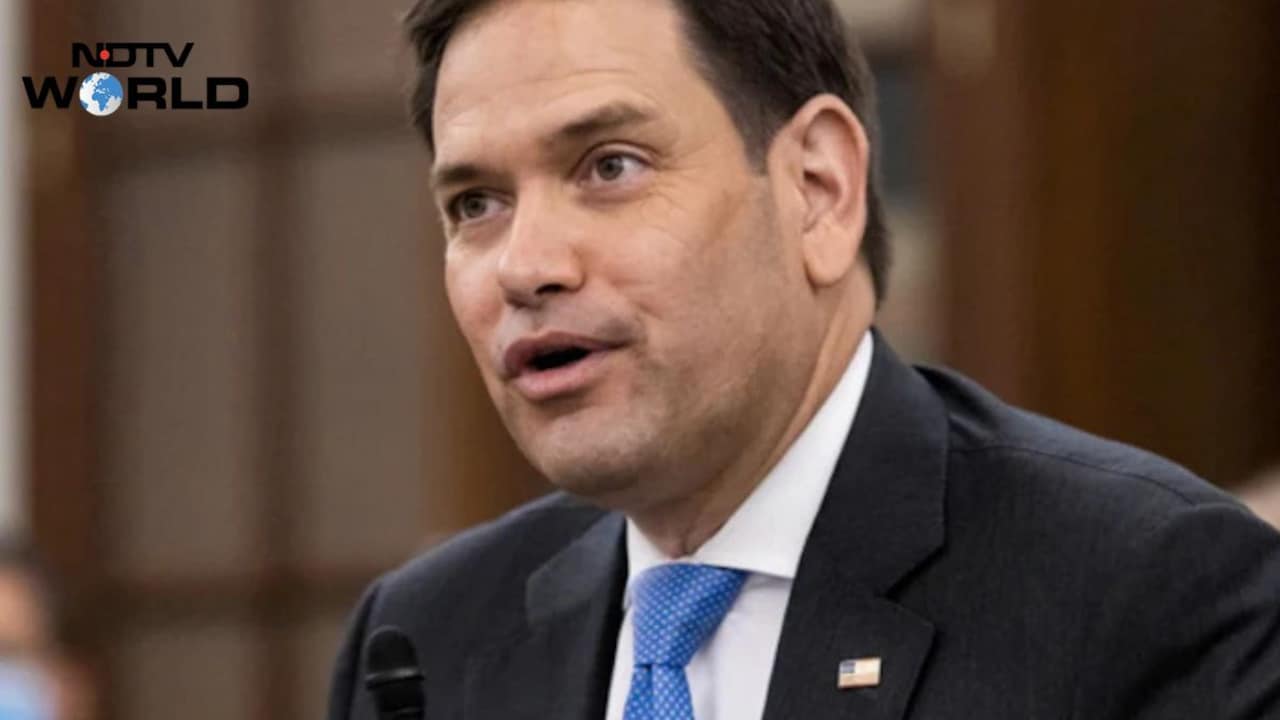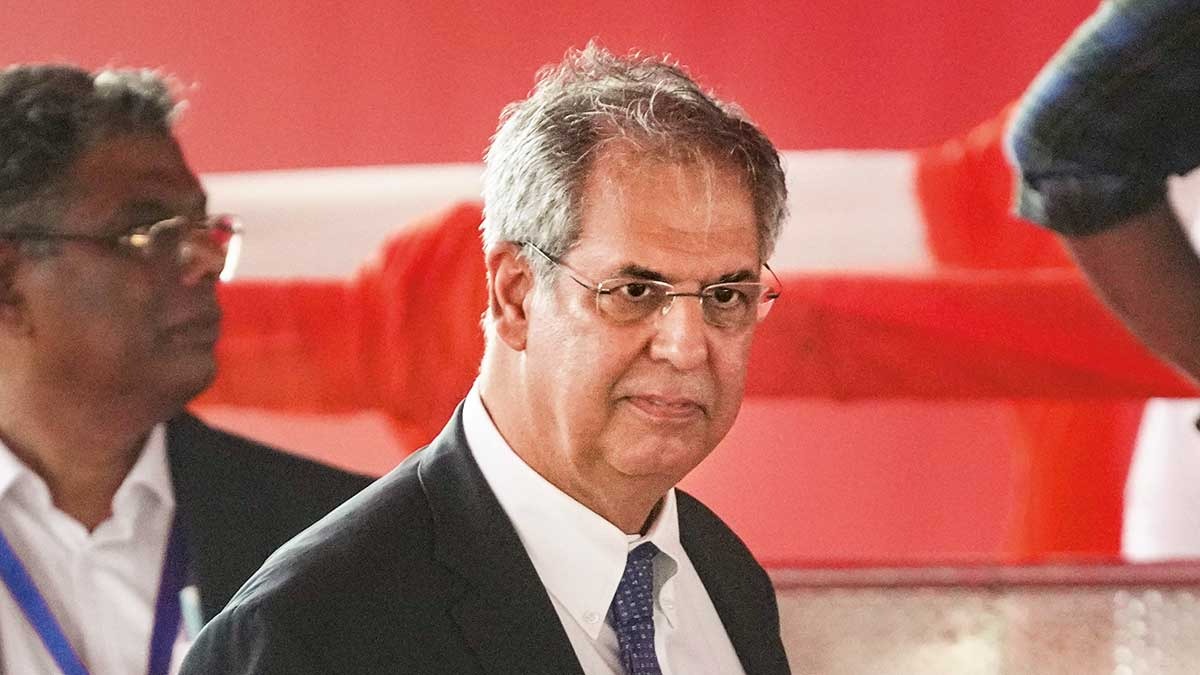
Noel Tata is set to spearhead critical discussions with the Reserve Bank of India to prevent Tata Sons from being forced into a public listing. The move comes amidst a looming leadership transition and complex shareholder dynamics.
- Noel Tata will lead talks with the RBI to maintain Tata Sons' unlisted status.
- The company seeks de-registration as an NBFC-CIC to avoid mandatory IPO rules.
- The move coincides with N Chandrasekaran's decision not to seek reappointment as Chairman.
- The outcome directly impacts the Shapoorji Pallonji Group's liquidity options.
In a significant shift in corporate strategy, Noel Tata, Chairman of Tata Trusts, is expected to personally lead negotiations with the Reserve Bank of India (RBI) before the end of August. The primary objective of these high-level discussions is to ensure that Tata Sons, the holding company of the Tata conglomerate, can continue to operate as an unlisted entity, thereby avoiding a mandatory Initial Public Offering (IPO).
The urgency of this meeting is underscored by a looming leadership transition. Current Chairman N Chandrasekaran has announced that he will not seek reappointment when his term expires in February 2027. Noel Tata aims to resolve the regulatory uncertainty surrounding the company's listing status before a new leadership team takes the helm, ensuring a stable transition for one of India's most influential business houses.
The Regulatory Conflict: NBFC Classification
The root of the issue dates back to 2022, when the RBI classified Tata Sons as an "upper layer" Non-Banking Financial Company (NBFC). Under the current regulatory framework, companies in this category are mandated to list on the stock exchange within three years. For Tata Sons, this deadline passed in September 2025, theoretically forcing the group to go public.
To circumvent this, Tata Sons has taken aggressive financial steps. The company has retired all its external bank debts and provided a formal undertaking to the RBI that it will not acquire fresh debt to lend to group companies, nor will it provide paid guarantees for group borrowings. These actions are designed to prove that Tata Sons no longer functions as a financial intermediary.
Why This Matters
BozokMedia analysis shows that this is not merely a technical regulatory hurdle but a fight for corporate autonomy. If Tata Sons remains unlisted, it maintains tighter control over its strategic direction and avoids the scrutiny and volatility of public markets. However, the decision has a ripple effect on the Shapoorji Pallonji (SP) Group, which holds an 18% stake and is seeking liquidity to manage its approximately Rs 60,000 crore debt.
The transition of Noel Tata from a supportive role to the primary negotiator signals that the Tata Trusts are now treating the RBI listing mandate as a top-priority existential risk.
The ultimate goal is the de-registration of Tata Sons as a Core Investment Company (NBFC-CIC). A written commitment was submitted to the RBI in December 2024, stating that the company would cease activities amounting to financial services. If the RBI approves this request, the legal requirement to list the company effectively vanishes.
| Scenario | Impact on Tata Sons | Impact on SP Group |
|---|---|---|
| Remains Unlisted | Maintains privacy and control | Difficult to liquidate stake |
| Proceeds with IPO | Public scrutiny and transparency | Easy path to liquidity/exit |
Frequently Asked Questions
Q1: Why is the RBI asking Tata Sons to list?
Because it was classified as an 'upper layer' NBFC, which requires listing within three years to ensure transparency and protect the financial system.
Q2: How does this affect the Shapoorji Pallonji Group?
The SP Group owns 18% of Tata Sons; an IPO would provide them a clear market-based route to sell their shares and pay off their debts.