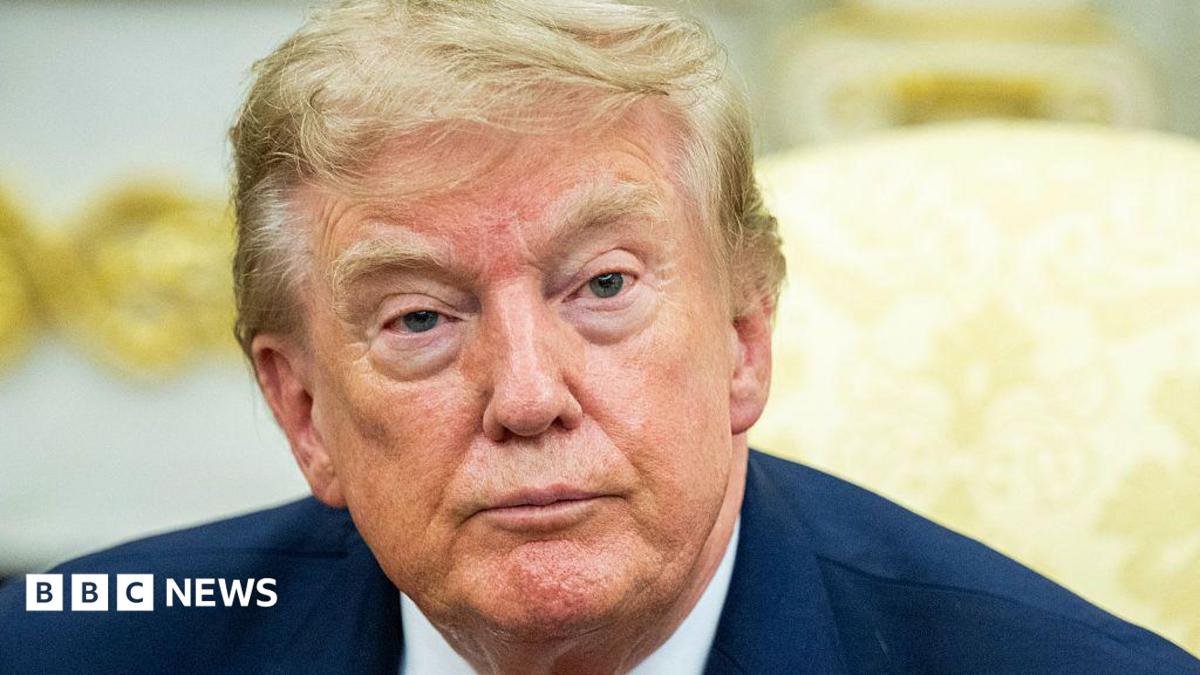
U.S. President Donald Trump has announced a three-day delay on imposing 50% tariffs on Canadian imports as both nations move closer to a comprehensive trade agreement.
- President Trump paused the scheduled 50% tariffs on Canadian goods for three days.
- A potential trade deal is nearing finalization between the U.S. and Canada.
- The revival of the Keystone XL pipeline is a major talking point in the negotiations.
- Key sectors like dairy, autos, and alcohol remain central to the ongoing talks.
U.S. President Donald Trump has announced a strategic three-day pause on the imposition of 50% tariffs against Canada. This decision comes as negotiators from both nations work feverishly to finalize a significant trade agreement. In a social media post, Trump confirmed that a "DEAL" exists between the United States and Canada, pending the finalization of official documentation.
The announcement was made just hours before a massive levy on nearly $20 billion (C$28 billion) worth of Canadian imports was set to take effect. The targeted goods included a wide array of products such as wine, dairy, cement, clothing, and even hockey equipment, which would have added immense pressure to the Canadian economy.
Why This Matters
BozokMedia analysis shows that this temporary reprieve is a high-stakes diplomatic maneuver. The potential implementation of these tariffs threatened to disrupt critical supply chains and jeopardize approximately 13 million American jobs that rely on the US-Mexico-Canada trade framework. By pausing the tariffs, Trump has maintained leverage while providing a window for a negotiated settlement that could stabilize North American markets.
The shift from tariff threats to active negotiations marks a critical pivot in U.S.-Canada economic relations.
A significant component of the ongoing discussions involves the Keystone XL Pipeline. Trump has hinted that a final deal could see the revival of this massive energy project, which was previously halted by the Obama and Biden administrations. The pipeline, designed to transport 830,000 barrels of oil per day from Alberta to the U.S., remains a highly contentious issue among environmentalists and indigenous groups.
Historical Context
Tensions between the two largest trading partners have escalated significantly since Trump returned to office. His administration's aggressive global tariff program has upended decades of established free-trade norms. This recent standoff is the latest chapter in a series of trade disputes involving steel, aluminum, lumber, and automobiles, which have tested the resilience of the North American economic alliance.
Key Negotiation Points
| Sector | Canadian Position | U.S. Demand |
|---|---|---|
| Automobiles | Reduction of 25% tariff to 15% | Eligibility limited to high U.S.-content vehicles |
| Dairy | Protection of domestic quotas | Increased access for U.S. cheese producers |
| Alcohol Sales | Provincial bans on U.S. liquor |
Frequently Asked Questions (FAQs)
1. Why did Trump delay the tariffs?
To allow time for the finalization of a trade deal between the U.S. and Canada.
2. What is the significance of the Keystone XL pipeline?
It is a major oil pipeline project that could significantly increase energy flow from Canada to the U.S.