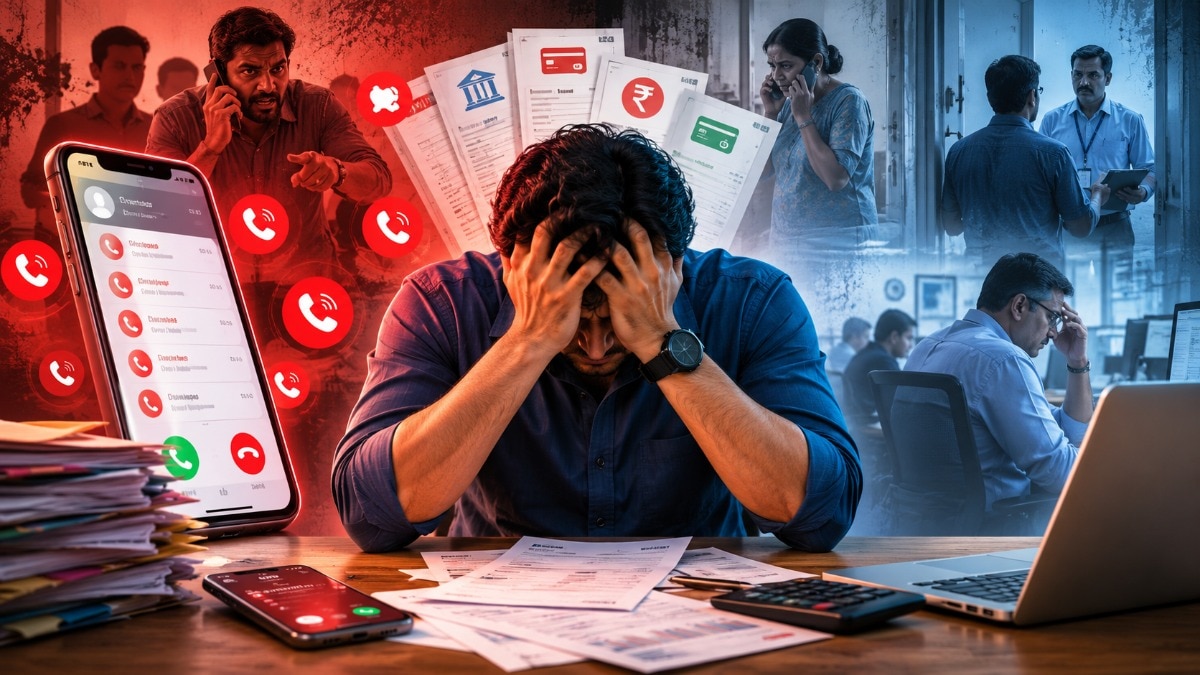
A deep dive into India's toxic loan recovery system reveals how borrowers face extreme harassment, including 300 calls a day, workplace visits, and social shaming despite strict RBI guidelines.
- Borrowers are facing extreme harassment, including up to 300 calls per day from recovery agents.
- Agents frequently breach privacy by contacting employers, relatives, and neighbors.
- Despite stringent RBI regulations, abusive language and intimidation remain widespread in debt collection.
A single missed EMI (Equated Monthly Installment) in India can escalate from a financial setback into a full-blown psychological nightmare. Recent investigative reports have uncovered a toxic pattern of loan recovery practices where borrowers are subjected to relentless threats, verbal abuse, and invasive workplace visits. The scale of harassment is staggering, with some individuals reporting as many as 300 calls in a single day.
A Cycle of Intimidation
The accounts shared by distressed borrowers paint a harrowing picture. For instance, 'Vikram' (name changed), who owed approximately Rs 8.3 lakh across five different banks, faced constant, overlapping pressure from multiple lenders. The psychological toll of managing multiple creditors, each employing aggressive tactics, can be overwhelming for anyone already in financial distress.
The harassment often extends far beyond the borrower themselves. Recovery agents have been documented contacting bosses, relatives, and neighbors to shame the borrower publicly. This tactic of 'social shaming' is used to exert pressure, often destroying the individual's professional reputation and personal relationships in the process.
Why This Matters
BozokMedia analysis shows that the disconnect between regulatory frameworks and ground-level enforcement is creating a crisis of trust in the financial sector. While banks rely on third-party agencies to manage defaults, the lack of oversight on these agents' conduct leads to systemic human rights violations under the guise of debt collection.
The line between legitimate debt collection and criminal harassment is being crossed daily by unregulated third-party agencies.
Data from debt-resolution firms highlights the severity of the issue: 39% of cases involve abusive language, 11% involve intrusive home or workplace visits, and 8% involve direct threats of legal or police action. This statistical breakdown underscores a culture of intimidation that persists despite legal safeguards.
RBI Rules vs. The Grim Reality
The Reserve Bank of India (RBI) has established clear mandates to prevent such behavior. Regulated entities are strictly prohibited from using intimidation, verbal abuse, or invading the privacy of a borrower's family and friends. Furthermore, calling outside of prescribed hours is a violation of banking norms.
| Type of Harassment | Reported Frequency (%) |
|---|---|
| Abusive/Insulting Language | 27% |
| Excessive/Continuous Calls | 42% |
| Home/Workplace Visits | 32% |
| Threats/Intimidation | 38% |
Frequently Asked Questions
1. Can recovery agents contact my employer?
No. According to RBI guidelines, agents cannot harass your employer or use your workplace to shame you for unpaid debts.
2. What should I do if I am being harassed?
You should immediately report the incident to the bank's internal grievance cell. If they fail to act, escalate the complaint to the RBI Banking Ombudsman.