An analytical deep dive into the rising trend of criminalising labour dissent in India, from the recent Noida wage protests to the historical decline of trade unions.
- An estimated 40,000 to 50,000 casual workers die annually in India's unorganised sector due to occupational hazards.
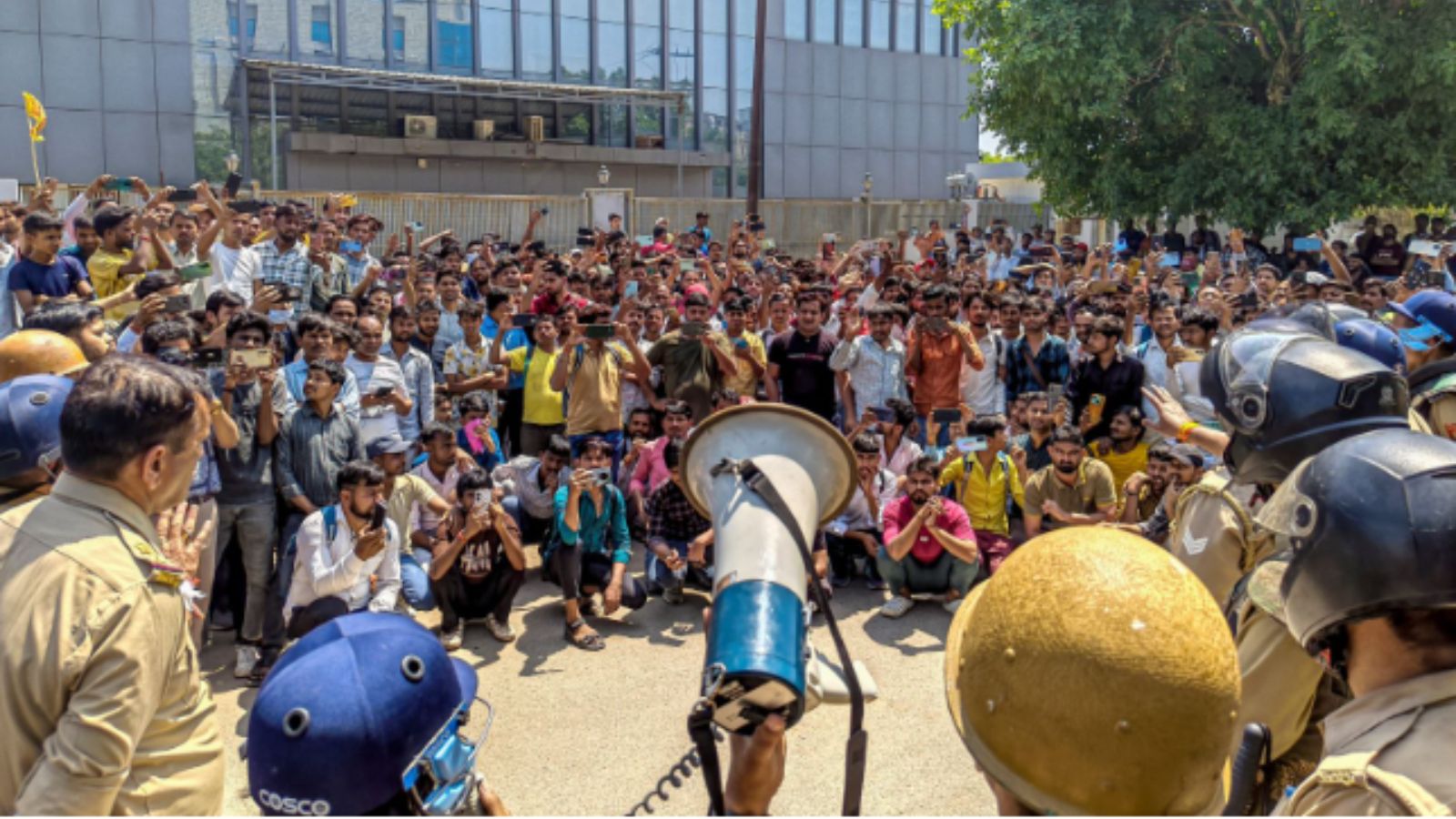
- Recent protests in Noida for higher wages were met with conspiracy theories involving 'foreign handlers'.
- The 'casualisation' of labour has eroded the power of trade unions and worker protections.
The rapid economic expansion of India often masks a grim reality: the systematic marginalisation and criminalisation of its working class. What began as legitimate demands for fair wages in regions like Noida and Ghaziabad has increasingly been met with state-sponsored suspicion. Instead of addressing economic grievances, authorities have often resorted to labeling agitations as conspiracies orchestrated by 'Pakistan-based handlers' or radical elements.
The Human Cost of Development
Statistical data suggests a staggering toll on the unorganised sector, which employs nearly 80% of India's workforce. Every year, between 40,000 and 50,000 workers perish due to occupational hazards. These lives are frequently treated as mere collateral damage in the pursuit of infrastructure and urban development. From the precarious living conditions in real-estate labor camps to the exploitation of domestic help in metropolitan high-rises, the human element of India's growth is being ignored.
Why This Matters
BozokMedia analysis shows that the transition from permanent employment to 'contractual labour'—a process known as the casualisation of labour—has stripped workers of their collective bargaining power. Since the 1990s, both the private sector and the government have adopted contract-based hiring to cut costs, leaving millions without social security or legal recourse against injustice.
The shift from negotiating rights to criminalising dissent marks a precarious turn in India's democratic fabric.
The recent crackdown in Noida, where individuals like journalist Satyam Verma and student Akriti Chaudhary faced draconian laws like the NSA, highlights a disturbing trend. The state's tendency to 'otherise' protesters based on their ideological leanings—often using 'leftist' as a pejorative—undermines the constitutional right to dissent.
Historical Context: The Era of Labour Solidarity
Contrasting today's fragmented landscape with the past, the history of industrial hubs like Kanpur offers a stark lesson. In the 1980s, trade unions such as CITU, AITUC, and BMS, despite ideological differences, maintained a unique camaraderie to fight for workers' rights. This unity allowed leaders like S.M. Banerjee to represent the interests of the working class effectively, bridging the gap between diverse political ideologies.
Frequently Asked Questions
1. What is the 'casualisation of labour'?
It refers to the trend of replacing permanent, full-time jobs with short-term, contractual, or daily-wage positions to reduce employer costs.
2. Why are workers' protests being criminalised?
Authorities often use security-based narratives, such as foreign interference, to delegitimize economic demands and suppress dissent.