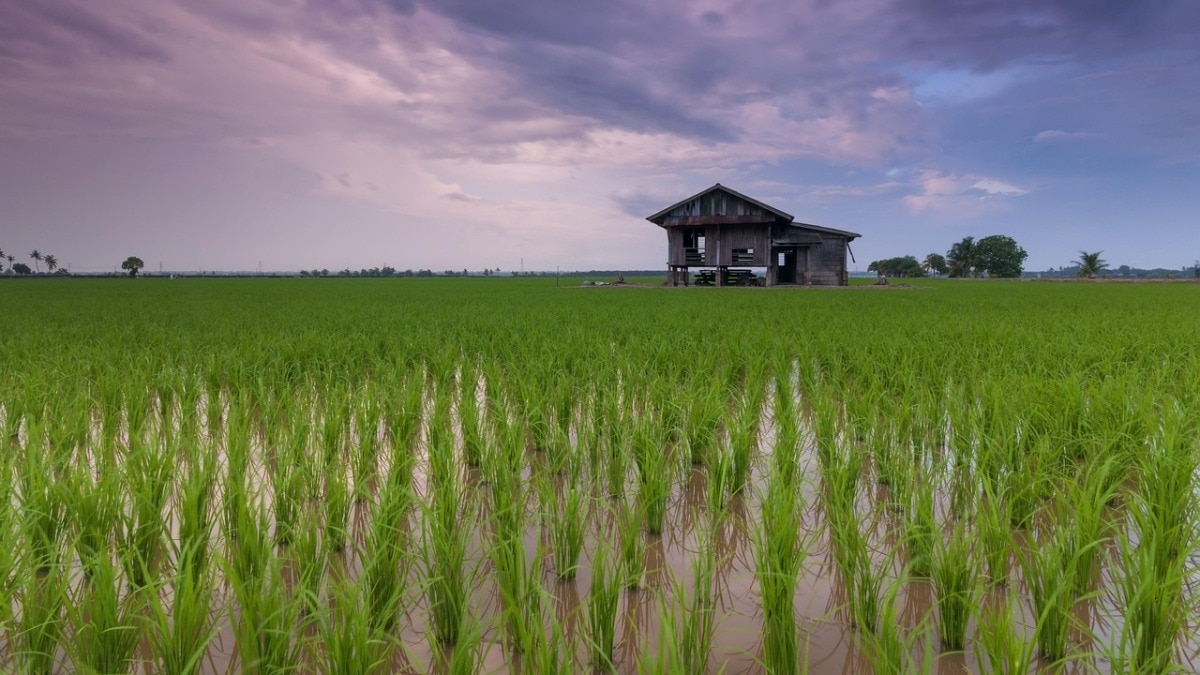
Farmers in Chhattisgarh are pivoting from traditional paddy to medicinal rice varieties, tapping into the massive demand from the pharmaceutical and nutraceutical sectors. Research from IGKV is turning ancient heritage into a modern economic powerhouse.
- Chhattisgarh farmers are achieving high profits by cultivating medicinal paddy varieties.
- Indira Gandhi Krishi Vishwavidyalaya (IGKV) maintains a germplasm bank with over 23,250 rice varieties.
- Varieties like Laicha and Maharaji show significant phytochemical and anti-cancer potential.
- Direct market linkages with pharma companies are set to boost rural incomes significantly.
Chhattisgarh is no longer just relying on its traditional agricultural identity; it is transforming its centuries-old heritage into a cutting-edge 21st-century agri-business model. The traditional paddy varieties, once known merely for their aroma and taste, are now being integrated with modern science to become 'Medicinal Rice'.
The Indira Gandhi Krishi Vishwavidyalaya (IGKV) in Raipur has emerged as the epicenter of this revolution. The university houses a specialized 'Germplasm Bank' containing approximately 23,250 varieties of paddy. This vast database serves as a scientific treasure trove, enabling researchers to develop climate-resilient and highly nutritious crops for the future.
Why This Matters
BozokMedia analysis shows that this shift represents a fundamental restructuring of the rural economy. By moving from commodity crops to 'pharma-grade' specialty crops, farmers are bypassing traditional middlemen and integrating directly into high-value global supply chains. This transition from 'food security' to 'nutritional security' is a game-changer for regional GDP.
Scientific investigations are proving that these traditional varieties possess extraordinary properties. For instance, the Laicha variety contains 231 more phytochemicals compared to standard rice. Meanwhile, the Maharaji variety is currently being studied for its potential impact on breast and lung cancer cells. Similarly, the Gathuvana variety, traditionally used for arthritis, is undergoing rigorous testing for its anti-cancer capabilities.
By providing scientific validation to these traditional varieties, we are positioning Chhattisgarh at the forefront of the global nutraceutical market.
The 'Lab-to-Land' approach is being aggressively implemented to bridge the gap between laboratory findings and field cultivation. This ensures that when a variety is proven to have medicinal benefits, farmers are immediately equipped to grow it for direct procurement by pharmaceutical and health-food giants.
Frequently Asked Questions
1. What makes medicinal rice different from regular rice?
Medicinal rice contains specific bioactive compounds and phytochemicals that can be used to treat diseases or enhance health.
2. How do farmers benefit from this model?
Pharma and nutraceutical companies pay a significant premium for these specialized varieties compared to standard commercial paddy.