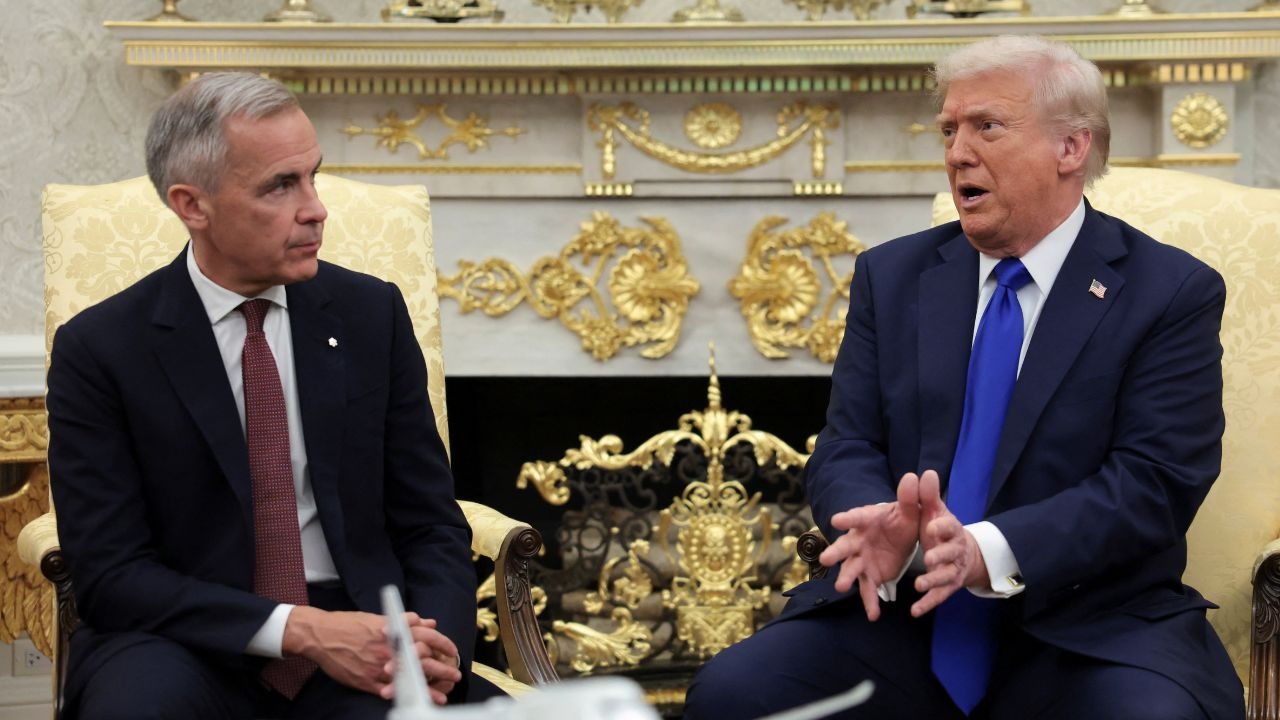
Washington and Ottawa are closing in on a major trade agreement that could significantly reduce tariffs on Canadian vehicles and metals. The deal aims to ease tensions following recent trade disputes.
- US and Canada are nearing a deal to lower tariffs on Canadian vehicles and metals.
- Proposed auto tariffs could drop from 25% to 15% for Canadian-built trucks and cars.
- Steel and aluminum tariffs may be halved to 25% under a quota system.
- The deadline for the current tariff implementation is Saturday.
In a significant move for North American commerce, Washington and Ottawa are advancing toward a trade agreement that promises to lower contentious tariffs on Canadian-built vehicles and essential metals. Following threats from US President Donald Trump to impose new tariffs, progress in negotiations has led to a temporary extension of the deadline to this coming Saturday.
Proposed Tariff Reductions
According to sources familiar with the negotiations, the proposed deal seeks to reduce the top-line tariff rate on Canadian-made cars and trucks from the current 25% down to 15%. While Canadian officials are reportedly pushing for an even lower rate of 10%, the 15% figure, when adjusted for US-produced content deductions, could bring the effective rate to a much more manageable level for manufacturers.
Why This Matters
BozokMedia analysis shows that this negotiation is critical for the stability of the North American automotive supply chain. A reduction in tariffs prevents a massive spike in consumer costs and protects the manufacturing sectors in both nations from the devastating effects of a full-scale trade war.
This deal represents a strategic pivot toward economic stability in the face of rising protectionist pressures.
The metal sector is also set for significant relief. The deal proposes halving the top-line tariffs on Canadian steel and aluminum to 25%. However, this is expected to operate under a quota arrangement, likely capped at 4 million metric tons per year. Any imports exceeding this threshold would remain subject to the original 50% tariff.
Historical Background
The current tension stems from tariffs imposed last year under US national security laws, affecting steel, aluminum, and automobiles. This prompted Canada to implement retaliatory measures, creating a cycle of economic friction that both administrations are now looking to resolve.
| Product Category | Current Tariff Rate | Proposed Tariff Rate |
|---|---|---|
| Canadian Cars & Trucks | 25% | 15% |
| Steel & Aluminum | 50% | 25% (Subject to Quota) |
Frequently Asked Questions
1. What happens if a deal is not reached by Saturday?
The scheduled $20 billion worth of tariffs on Canadian goods would take effect at 12:01 a.m. EDT.
2. How does the Canadian public feel about the deal?
A recent poll indicates that 56% of Canadians oppose making further concessions to the United States.