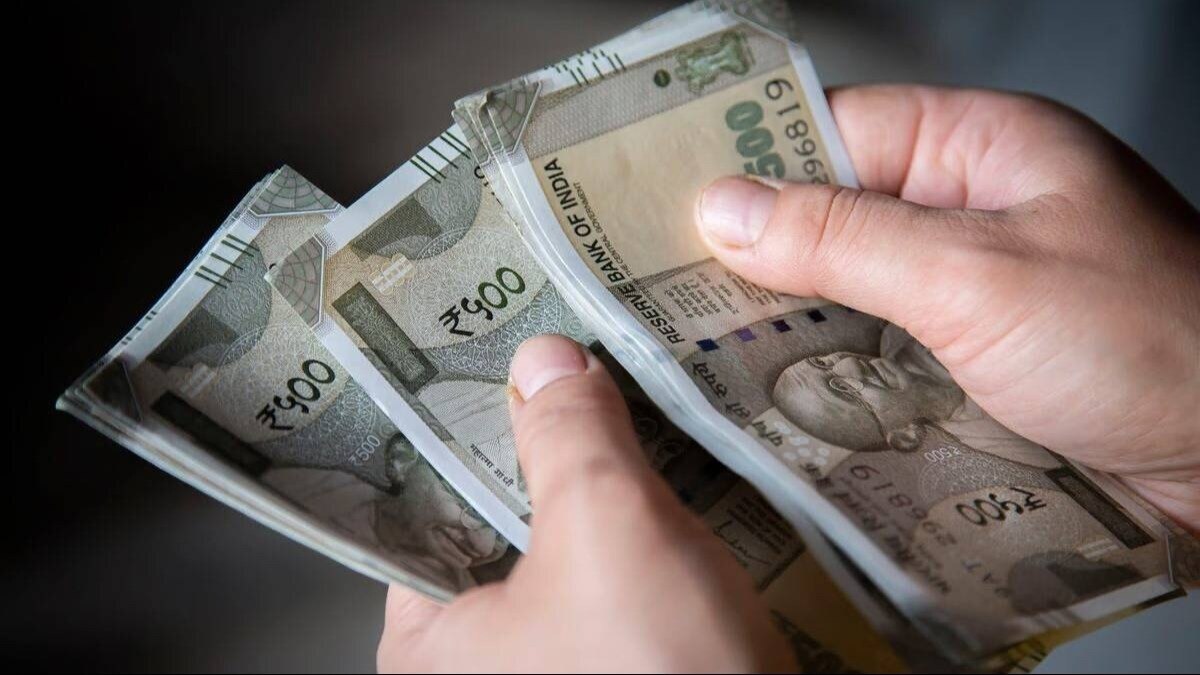
The Indian Rupee strengthened by 9 paise to reach 95.65 against the U.S. dollar in early Friday trading, supported by a softening greenback. However, rising crude oil prices and geopolitical tensions remain key headwinds.
- Rupee climbed 9 paise to trade at 95.65 against the USD.
- A weaker US Dollar Index provided essential support to the local currency.
- RBI Governor expects $80 billion in foreign currency inflows.
- High crude oil prices and Middle East tensions pose ongoing risks.
In early trade on Friday, August 21, 2026, the Indian Rupee appreciated by 9 paise to reach 95.65 against the U.S. dollar. The gains were largely driven by a decline in the strength of the American currency in overseas markets, providing a much-needed cushion for emerging market currencies.
Market Dynamics and Global Headwinds
At the interbank foreign exchange, the rupee opened at 95.69 before climbing to 95.65. While the softening of the U.S. Dollar has aided the rupee, forex traders warn that this strength is being constantly offset by elevated crude oil prices and persistent geopolitical uncertainty in the Middle East.
RBI Outlook and Capital Inflows
RBI Governor Sanjay Malhotra has indicated a positive outlook regarding foreign exchange reserves, stating that the central bank expects at least $80 billion in foreign currency inflows following measures implemented earlier this year. According to industry experts, approximately $56.85 billion has already been mobilized, including a significant portion through FCNR(B) deposits.
While the RBI's measures are attracting dollars, structural factors and oil volatility are neutralizing the potential for massive rupee appreciation.
Why This Matters
BozokMedia analysis shows that the rupee's performance is currently caught in a tug-of-war between favorable central bank policies and unfavorable global commodity trends. The stability of the rupee is critical for controlling imported inflation in India, especially as energy costs fluctuate due to tensions in the Strait of Hormuz.
Historical Context
Traders often compare the current situation to the 2013 FCNR(B) scheme, which led to a rapid, double-digit appreciation of the rupee. However, the current market environment is more complex, with structural reductions in foreign presence making it harder for inflows to trigger immediate currency strength.
Frequently Asked Questions
1. What is driving the Rupee's movement today?
The primary driver is the weakening of the U.S. Dollar against other global currencies, allowing the Rupee to gain ground.
2. How does crude oil affect the Indian economy?
Since India is a major oil importer, higher crude prices increase the demand for dollars, which typically weakens the Rupee.