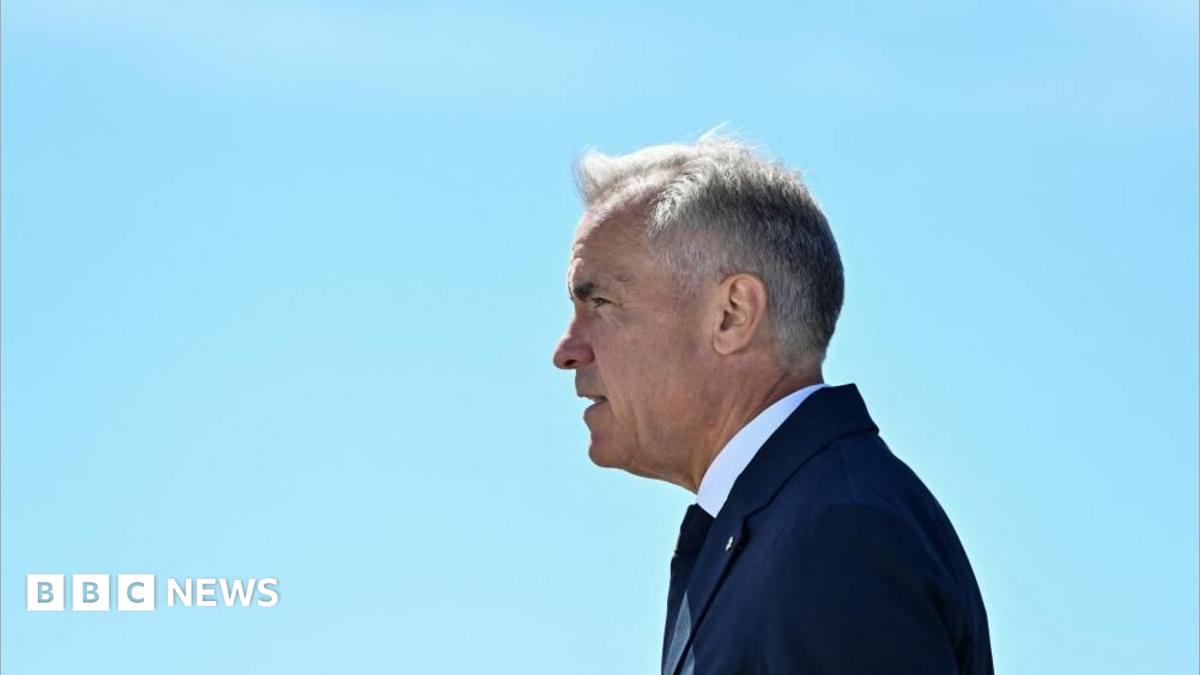
Canadian Prime Minister Mark Carney has taken a massive political gamble by suspending trade talks with President Donald Trump. This decision marks the beginning of an escalating trade war that could reshape North American economics.
- Canada and the US have entered a period of intense trade volatility.
- PM Mark Carney rejected US terms, calling them 'unfair and uneconomic'.
- Canada plans to match US tariffs 'dollar for dollar'.
- The dispute is already hitting the US alcohol and Canadian manufacturing sectors.
The long-standing economic partnership between the United States and Canada has entered uncharted and turbulent territory. In a move that has sent shockwaves through global markets, Prime Minister Mark Carney decided to walk away from the negotiating table with President Donald Trump. Instead of accepting a tentative deal that seemed within reach, Carney has opted for retaliation, setting the stage for a significant political and economic showdown.
The breakdown of talks has led to a blame game. Carney maintains that the late-stage changes proposed by the White House were unreliable and detrimental to Canadian interests. Conversely, US trade representative Jamieson Greer suggested that Canada's own shifting commitments derailed the agreement. This friction is particularly sensitive given that Canada sends roughly 70% of its exports to the US, making the stakes incredibly high for both nations.
Why This Matters
BozokMedia analysis shows that this is not just a standard tariff dispute; it is a test of Canada's 'elbows up' foreign policy. Carney campaigned on an aggressive stance to protect Canadian interests against the 'America First' agenda. If the economic fallout—particularly in manufacturing-heavy provinces like Ontario—becomes too severe, the domestic political cost for Carney could be catastrophic.
Carney is betting his political capital on the belief that long-term sovereignty is worth short-term economic pain.
The impact is already visible in specific sectors. The US distilling industry is reeling from Canadian provincial bans on American spirits, with wine exports to Canada plummeting by 78%. This 'tit-for-tat' approach has moved beyond high-level diplomacy into the daily lives of consumers and businesses.
| Sector | Impact Detail |
|---|---|
| Canadian Exports | Heavy reliance on US markets (70% of total) |
| US Alcohol Industry | 70-78% drop in exports to Canada |
| US Impacted States | Michigan, Kentucky, Indiana, and Ohio |
Political support within Canada remains a critical factor. While opposition leader Pierre Poilievre initially criticized one-sided deals, he has since backed Carney's refusal to accept unfair tariffs. Even Ontario Premier Doug Ford, a key figure in the manufacturing sector, has signaled support for a strong, dollar-for-dollar response to protect Canadian industry from deindustrialization.
Frequently Asked Questions
1. What triggered the breakdown in trade talks?
Both sides blame last-minute shifts: Canada cites unfair US terms, while the US points to Canada's withdrawal from previous commitments.
2. How will Canada retaliate?
The Canadian government has signaled it will match US tariffs 'dollar for dollar' to defend its domestic industries.

