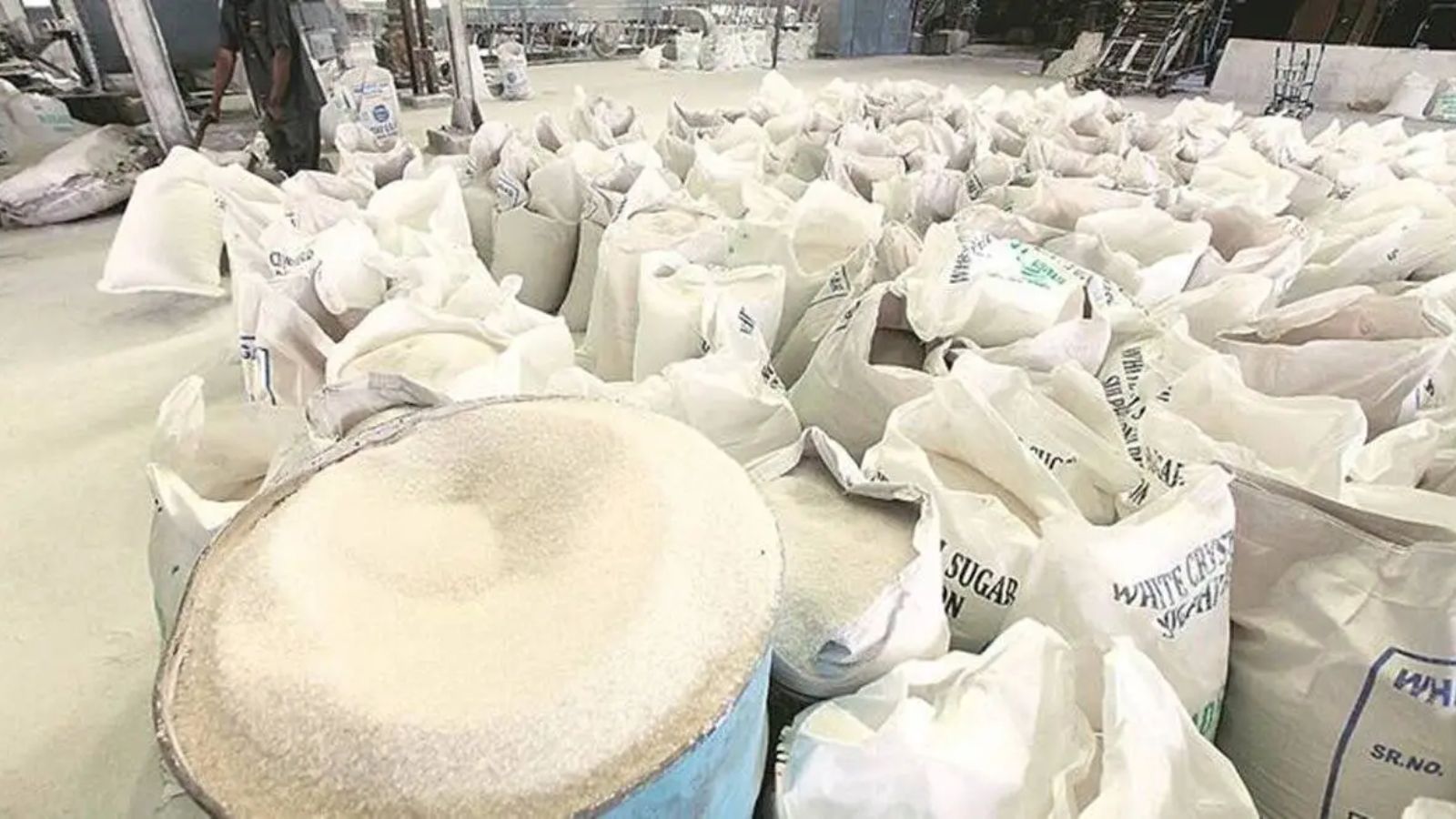
A sharp 40% rise in domestic sugar prices is doing more than affecting kitchens; it is creating a 'cultural tax' that threatens the social rituals of Bengal.
- Domestic sugar prices in India have surged by nearly 40% in just two months.
- Rising costs threaten the 'universal language of affection'—sweets—in Bengali households.
- The crisis presents a risk of 'cultural inflation,' where social participation becomes a class issue.
In India, domestic sugar prices have skyrocketed by nearly 40 per cent within a mere two-month window. While the government has attempted to mitigate this by waiving import duties and extending duty-free imports of raw sugar, the implications in West Bengal go far beyond simple economics. In Bengal, sugar is not just a commodity; it is a fundamental component of social cohesion.
In a Bengali household, a box of sweets is a silent communicator. It is exchanged to mark new jobs, exam successes, weddings, births, and religious festivals. It serves as a low-cost, universal language of affection. However, as sugar prices climb, the cost of this social language rises with it, creating a subtle but profound impact on community bonding.
Why This Matters
BozokMedia analysis shows that we are witnessing a phenomenon of 'cultural inflation.' While a price hike might be negligible for the wealthy, it acts as a barrier for lower-income families. This prevents them from participating equally in the rituals that signal belonging. When a gesture of affection becomes expensive, the social fabric that holds a community together begins to fray.
The rising cost of sweets does not just change the price tag; it risks eroding the inclusive nature of cultural celebrations.
The history of Bengal is marked by struggles over its culinary identity. In August 1965, during a milk shortage in Calcutta, the state government infamously banned the production of chhana-based sweets. Although the High Court eventually struck down the order, it remains a stark reminder of how government intervention can disrupt lives. Today, the threat is different—it is driven by market volatility rather than direct bans.
Furthermore, the struggle for identity was evident in 2017 when West Bengal secured the Geographical Indication (GI) tag for "Banglar Rosogolla" after a long dispute. While the legal battle for the name was won, the battle against economic accessibility is ongoing. Small-scale confectioners (moira) are caught in a vice between rising input costs and price-sensitive customers.
| Feature | 1965 Crisis | 2026 Crisis |
|---|---|---|
| Primary Cause | Milk Shortage/Government Ban | Market Inflation/Sugar Price Hike |
| Nature of Threat | Direct Legal Prohibition | Economic Barrier to Access |
| Impact on Artisans | Loss of livelihood via decree | Shrinking margins and succession risks |
Frequently Asked Questions
1. How does sugar inflation affect social equality in Bengal?
It creates a gap where lower-income groups can no longer afford the traditional gestures of celebration, making social participation a privilege of the wealthy.
2. What is the government doing to stabilize sugar prices?
The government has waived import duties and extended duty-free imports of raw sugar to manage the supply during the festive season.
