In a major boost to driver welfare, Indian Railways is introducing waterless urinals in its 12,000 HP locomotives. This initiative aims to address long-standing operational challenges, especially for the increasing number of women loco pilots.
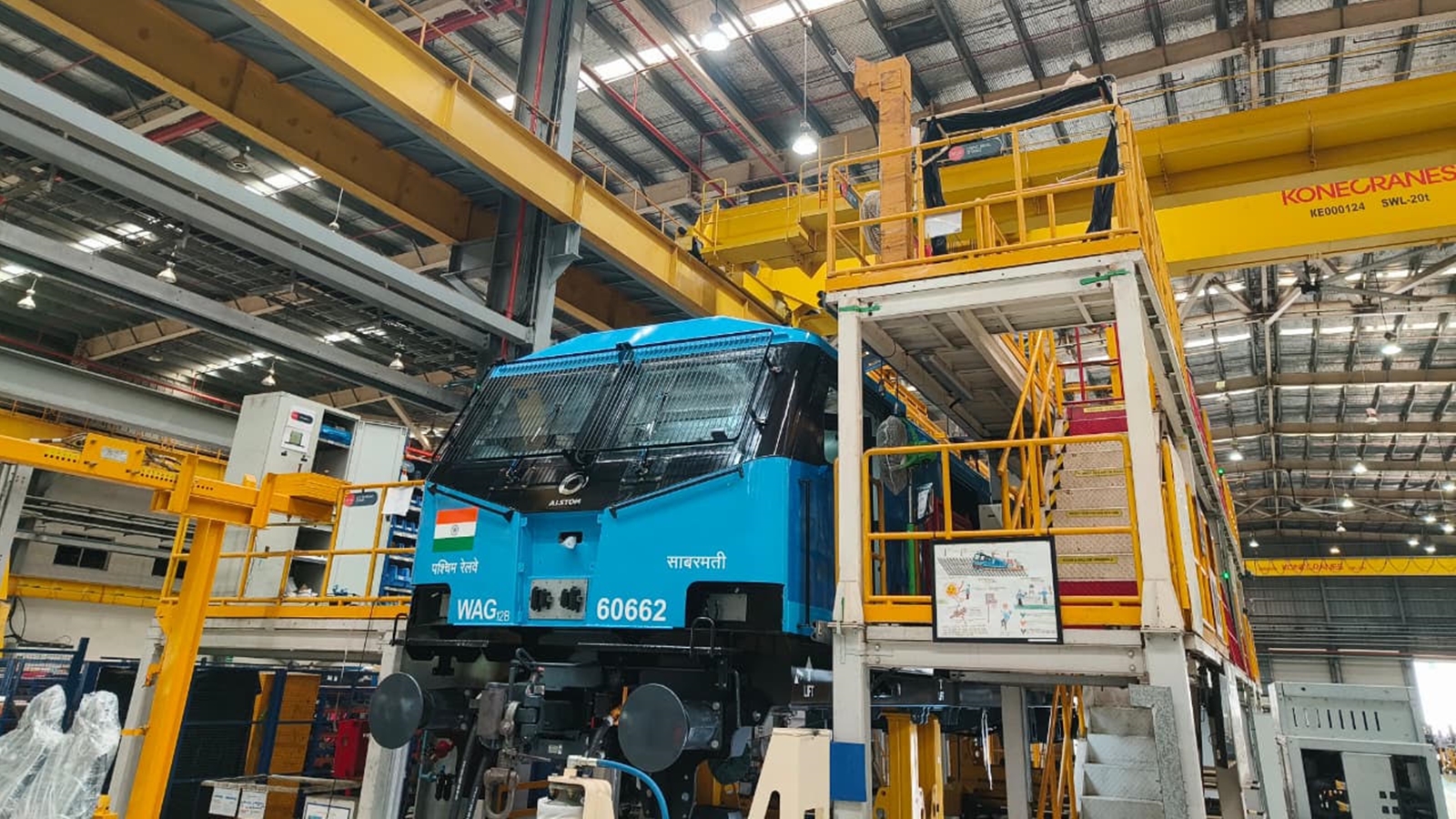
- Waterless urinals will be integrated into India's most powerful 12,000 HP electric locomotives.
- The move addresses critical hygiene and operational challenges faced by loco pilots.
- The initiative is particularly significant for the growing number of women loco pilots in India.
- Existing locomotives will be retrofitted with this new technology.
Indian Railways is set to implement a significant technological upgrade for its heavy-duty fleet. The country's most powerful 12,000-horsepower (HP) electric locomotives will soon be equipped with inbuilt waterless urinals. This development aims to solve one of the most persistent operational hurdles faced by train drivers across the nation.
Addressing the Gender Gap in Rail Operations
The lack of basic sanitation facilities within locomotives has long been a grievance for loco pilots. This challenge has gained renewed urgency as Indian Railways actively inducts more women loco pilots into its workforce. Providing adequate facilities is not just a matter of comfort but a necessity for ensuring a professional and inclusive working environment.
The unavailability of a urinal or toilet in locomotives is one of the biggest problems a loco pilot faces, especially with the rise of lady pilots.
The Role of Madhepura and Alstom
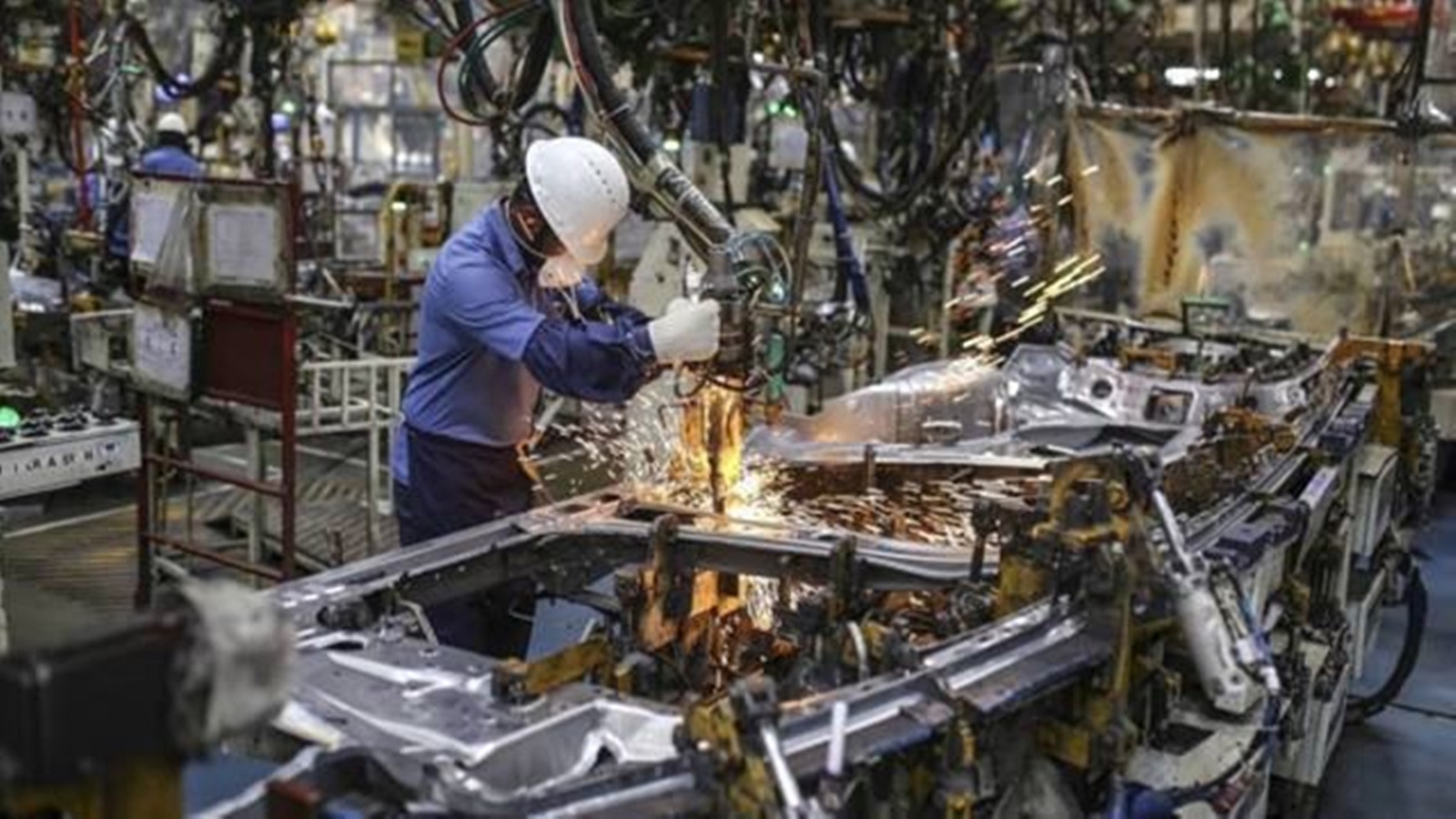
The manufacturing of these high-capacity engines takes place at the Madhepura Electric Locomotive Private Limited (MELPL) facility in Bihar. MELPL is a strategic joint venture between Indian Railways and the French engineering giant Alstom, with Alstom holding a 74% majority stake. These locomotives are specifically designed to haul massive freight loads on Dedicated Freight Corridors (DFC).
Why This Matters
BozokMedia analysis shows that this upgrade represents a shift toward human-centric infrastructure design. For decades, locomotive design focused almost exclusively on mechanical power and tractive effort, often overlooking the biological needs of the operators. By integrating waterless technology, the Railways is balancing high-performance engineering with essential workplace ergonomics.
Historical Background and Technical Evolution
The MELPL project, which saw an initial investment of ₹28,000 crore (later revised to over ₹33,000 crore), has positioned India as the sixth country globally to manufacture 12,000 HP electric locomotives. While the original specifications from 2014-15 did not include integrated urinals due to space and technology constraints, the maturation of the Indian industry has now made this integration feasible. As of February 2026, over 2,800 locomotives have already been provided with urinals in a phased rollout.
| Feature | Previous Standard | New Standard (Upgraded) |
|---|---|---|
| Sanitation Facility | None/External Only | Inbuilt Waterless Urinal |
| Locomotive Type | Standard Electric | 12,000 HP Heavy Freight |
| Inclusivity Focus | Low | High (Women-friendly) |
Frequently Asked Questions
1. Will this be available in all locomotives?
The Railways is rolling this out in a phased manner across all electric locomotives based on feasibility.
2. How will the urinals be installed in older engines?
The company has confirmed that existing locomotives will be retrofitted with the waterless urinal system.