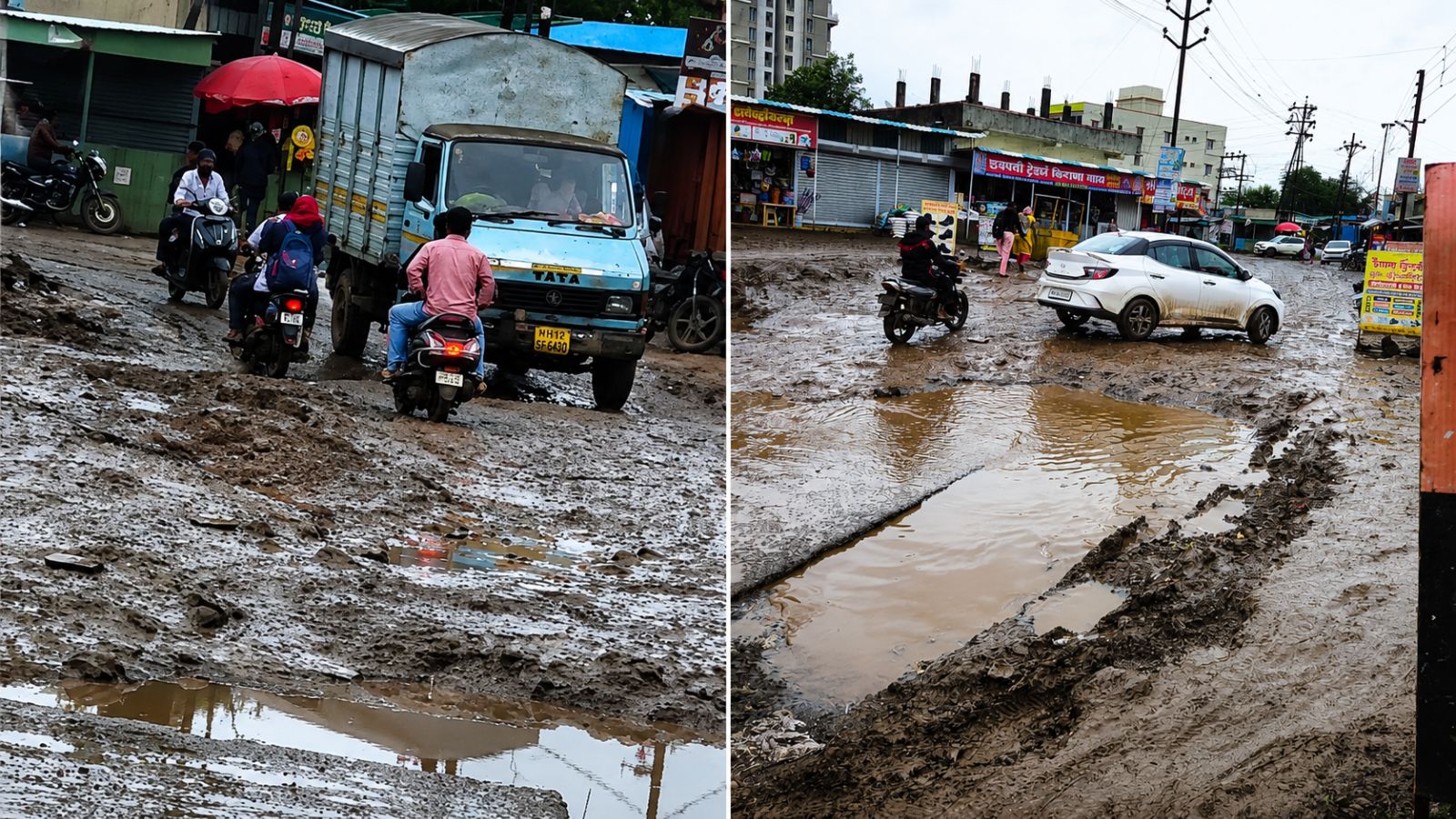
The Chakan MIDC industrial belt near Pune is facing a massive revolt as 20 industrial units threaten to move out due to persistent failures in power, water, and road infrastructure.
- 20 industrial units in Chakan MIDC have issued an ultimatum to relocate due to lack of basic amenities.
- The Chakan hub generates over ₹6 lakh crore in annual revenue and employs 10 lakh+ workers.
- Critical issues include chronic power cuts, water scarcity, dilapidated roads, and poor waste management.
- The Maharashtra government has formed a 14-member committee to address these grievances.
The Maharashtra government is facing a high-stakes crisis in its premier automobile hub, Chakan MIDC. In a move that has sent shockwaves through the industrial sector, 20 industrial units have threatened to relocate from the Pune district hub, citing 'continued neglect' and a complete breakdown of essential infrastructure. The ultimatum has forced the state administration into emergency mode to prevent a massive economic exodus.
Established in 1995, the Chakan-Talegaon industrial belt has grown into a global automotive powerhouse. It hosts industry titans such as Bajaj Auto, Hyundai, Mercedes-Benz, Skoda, Mahindra, and Volkswagen. The scale of operations is immense, with a workforce exceeding 10 lakh people and an annual revenue exceeding ₹6 lakh crore. However, the very infrastructure meant to support this growth is now crumbling.
Why This Matters
BozokMedia analysis shows that the stability of Chakan is vital not just for Maharashtra's economy, but for India's position in the global automotive supply chain. Any large-scale relocation of ancillary units would create a domino effect, disrupting manufacturing timelines for major global brands and leading to significant job losses.
The grievances of the industrialists are multifaceted. Dhananjay Shedbale, owner of Deeksha Export Pvt Ltd, highlighted the severe water crisis, noting that companies often rely on expensive tankers to maintain production. Furthermore, the electrical grid is struggling; frequent power cuts of over four hours are driving up operational costs. The physical state of the area is equally dire, with monsoon-induced potholes turning arterial roads into impassable craters, causing traffic jams that stretch for kilometers.
'The infrastructure gap in Chakan is no longer just a logistical hurdle; it has become a fundamental threat to industrial continuity.'
The economic implications are staggering. Shantanu Kulkarni, President of the Chakan Industrial Association, pointed out that the region contributes approximately ₹1 lakh crore in GST and ₹13,000 crore in income tax annually. Despite this massive contribution, the industrial units claim they are being treated with systemic apathy.
In response to the growing political and industrial pressure, Chief Minister Devendra Fadnavis admitted to a 'severe infrastructure gap.' The government has now appointed a 14-member committee, led by the Pune District Collector, to fast-track solutions including road repairs, street lighting, and power substation upgrades. The long-term goal is to transform the MIDC area into a well-planned industrial township.
Frequently Asked Questions
1. What are the primary reasons for the industrial threat in Chakan?
The primary reasons are inadequate water supply, frequent power outages, poor road conditions, and lack of proper waste management.
2. How is the government responding to the ultimatum?
The government has formed a 14-member high-level committee to address infrastructure gaps and has promised long-term township development.