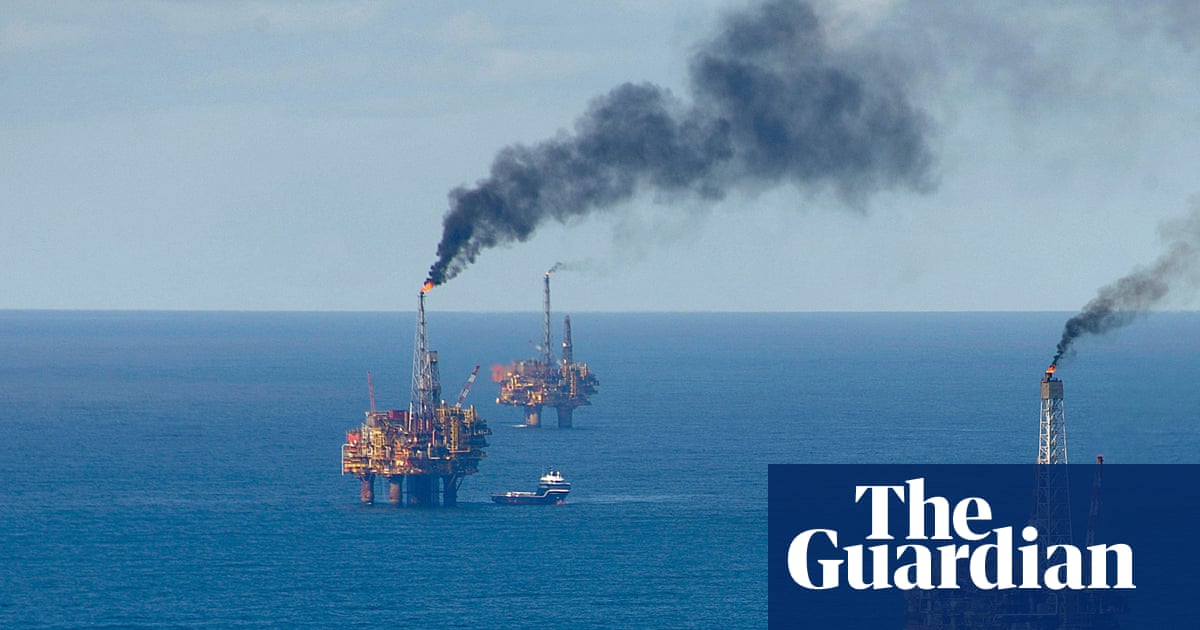
Once the backbone of the UK economy, North Sea oil has transformed from a source of immense wealth into a volatile political symbol caught between climate goals and energy sovereignty.
- Economically viable oil and gas production in the North Sea is projected to drop to just 15% of its peak by 2030.
- The UK Labour government has halted new exploratory licenses for oil and gas.
- The debate has shifted from economic prosperity to a 'culture war' over climate change and national identity.
The history of North Sea oil is a saga of immense triumph and looming decline. Following its discovery in 1969, the basin became a symbol of British national renewal, helping the UK navigate the global oil crises of the 1970s. Former Prime Minister Jim Callaghan famously described it as Britain's greatest opportunity in a century.
During its peak at the turn of the century, the basin produced a staggering 4.4 million barrels of oil equivalent per day. This era fueled the rise of Aberdeen as a global energy hub and provided significant tax revenue that supported Thatcherite economic policies. However, the boom has faded. As stocks dwindle, major corporations like BP are exiting the region, and direct employment has plummeted from 120,000 to approximately 27,000.
Why This Matters
BozokMedia analysis shows that the North Sea is no longer just a geological resource; it is a potent political totem. The tension lies between the urgent need to meet climate commitments and the desire to maintain energy independence in an increasingly volatile global market.
"Even as it declines, there is still a strong sense that this is Britain’s oil, and that not exploiting it is turning our back on something vital." - Ewan Gibbs, University of Glasgow.
The current Labour government, led by energy secretary Ed Miliband, aims to pivot the UK toward becoming a 'clean energy superpower.' By moving away from fossil fuels, the government hopes to insulate British families from the price shocks caused by geopolitical conflicts, such as the war in Ukraine. However, this transition faces fierce opposition from figures like Nigel Farage and Kemi Badenoch, who argue that abandoning domestic oil compromises national security.
| Metric | Peak Era (Circa 2000) | Projected Future (By 2030) |
|---|---|---|
| Daily Output | 4.4 Million Barrels | 15% of Peak Output |
| Direct Jobs | ~120,000 | ~27,000 |
| Primary Strategy | Fossil Fuel Extraction | Renewable Energy Transition |
Frequently Asked Questions
1. Why is the Labour government stopping new oil licenses?
To align with international climate goals and transition the economy toward renewable energy sources.
2. How does the North Sea affect UK energy security?
While production is declining, domestic oil provides a buffer against volatile international fossil fuel markets.