The Petroleum and Natural Gas Regulatory Board (PNGRB) has greenlit the development of 1,800 km of LPG pipelines across six states with a ₹7,000 crore investment. This move is set to expand India's LPG network by 24%.
- PNGRB has authorized 1,800 km of new LPG pipeline infrastructure.
- The projects involve a massive capital investment of approximately ₹7,000 crore.
- The expansion will increase India's LPG pipeline network by 24%.
- GAIL (India) Limited has been tasked with developing these strategic projects.
In a significant move to bolster the nation's energy security, the Petroleum and Natural Gas Regulatory Board (PNGRB) announced on Friday that it has authorized the development of approximately 1,800 km of pipeline infrastructure for the transportation of Liquefied Petroleum Gas (LPG). The total capital investment for these projects is estimated to be around ₹7,000 crore.
The sanctioned pipelines will traverse six Indian states: Telangana, Maharashtra, Uttar Pradesh, Uttarakhand, Karnataka, and Goa. Key segments include a 556 km stretch from Cherlapally (Telangana) to Nagpur (Maharashtra), a 611 km route from Jhansi (Uttar Pradesh) to Sitarganj (Uttarakhand), and a 633 km pipeline connecting Shikrapur (Maharashtra) to Goa and Hubli (Karnataka).
Why This Matters
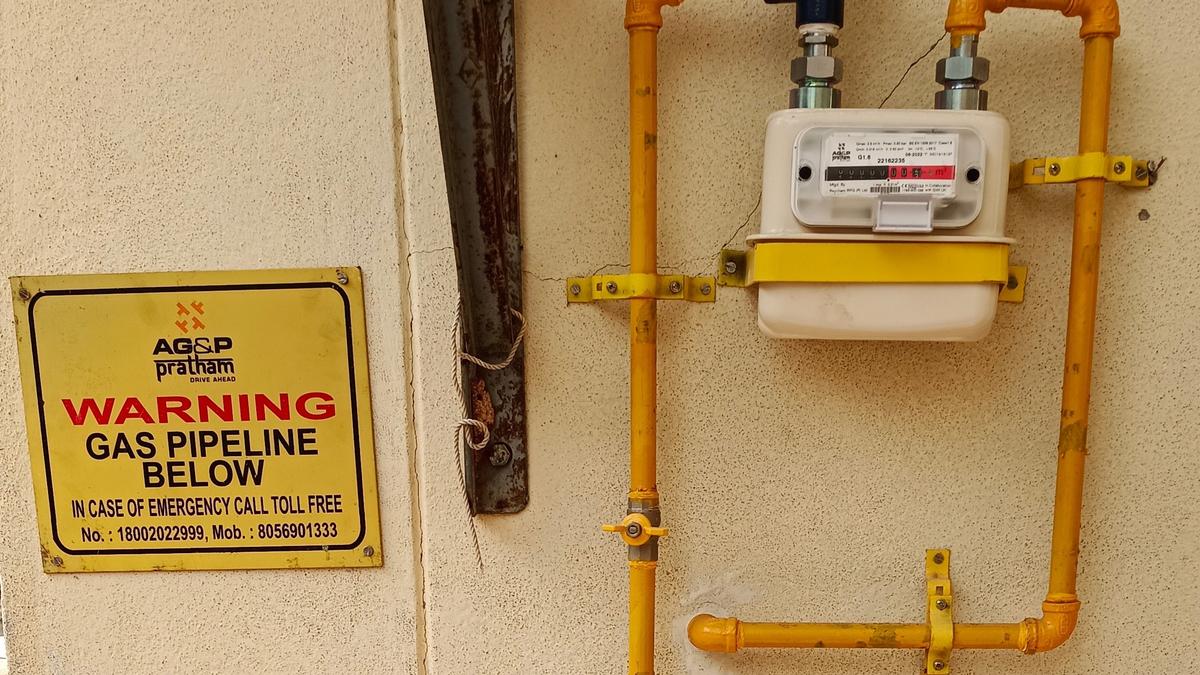
BozokMedia analysis shows that this infrastructure expansion is a critical step in shifting India's energy logistics from road to pipeline. Currently, a major portion of India’s LPG imports arrives at coastal locations and is subsequently transported via tank trucks. By transitioning to pipelines, the country can significantly reduce logistics costs, alleviate traffic congestion, and enhance road safety.
The expansion of the pipeline network will provide inherent system resilience, especially as India continues to rely on imported LPG.
The state-owned gas distributor GAIL (India) Limited will lead the development of these projects. Upon completion, the national LPG pipeline network is expected to grow from its current 7,700 km to approximately 9,500 km, representing a substantial 24% increase in capacity and reach.
Historical Background
For decades, India has relied heavily on road transport for the distribution of LPG, which has led to high logistics costs and significant carbon footprints. As part of the government's push towards a gas-based economy, the regulatory framework has been evolving to encourage large-scale pipeline infrastructure to ensure a steady and safe supply of fuel to the hinterlands.
| Metric | Current Status | Post-Project Projection |
|---|---|---|
| Total LPG Pipeline Network | ~7,700 km | ~9,500 km |
| Network Growth Percentage | - | ~24% |
| Implementation Partner | Various | GAIL (India) Limited |
Frequently Asked Questions
1. Which companies are involved in this project?
The state-owned entity GAIL (India) Limited will be responsible for developing these new pipeline segments.
2. How much will this expansion increase the existing network?
The new 1,800 km of pipelines will increase the country's total LPG pipeline network by approximately 24%.