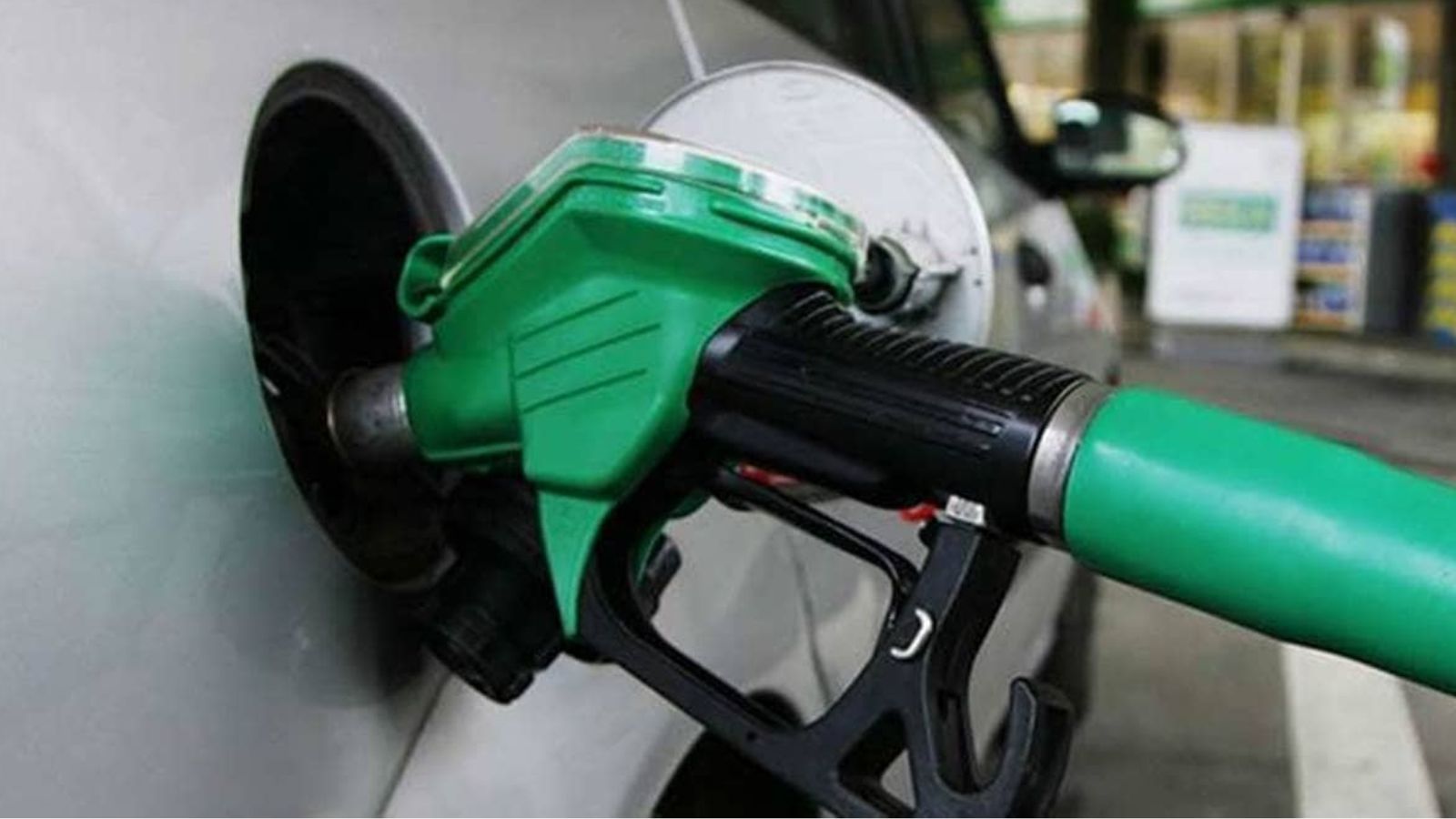
As India pushes for 20% ethanol blending, consumers face lower mileage without visible price benefits. This deep dive explores the policy gap.
The debate surrounding ethanol-petrol blending is intensifying across India, moving from political circles to social media platforms like Instagram. While the government views E20 (20% ethanol blend) as a strategic triumph, the public is experiencing growing disenchantment. The core of the issue lies in a simple economic reality: consumers are paying the price of reduced mileage without receiving a corresponding reduction in fuel costs.
The journey of ethanol blending in India is not new. It traces back to the pilot projects during the Vajpayee administration in 2001 and the E5 rollout attempts under the UPA era. However, the momentum has surged significantly under the current NDA government, moving from 10% blending in 2021-22 to nearly 20% in the current cycle. This shift is driven by the need to insulate India from global geopolitical volatility and reduce the massive drain on foreign exchange caused by crude oil imports.
Why This Matters
BozokMedia analysis shows that for India's vast lower and middle-income populations, decision-making is driven by two primary factors: Price and Mileage. When a policy improves national strategic reserves but degrades individual vehicle efficiency without lowering the pump price, it creates a trust deficit that no amount of macro-economic data can bridge.
Public policy succeeds when the strategic benefits for the nation align with the economic benefits for the individual.
Expert analysis suggests that the government could learn from its own Income Tax regime implementation. Just as the Finance Ministry offered a choice between the old and new tax regimes, petrol pumps could offer a choice between different blend levels. If E20 were priced lower than E10 or pure petrol, consumers would likely accept the 3-5% drop in mileage as a fair trade-off.
The economic viability of ethanol also fluctuates with global oil prices. While ethanol is more cost-effective when crude oil sits at $120-$130 per barrel, it becomes relatively more expensive to produce when global prices drop below $70. This volatility makes a standardized, mandatory rollout difficult for the average consumer to stomach without clear incentives.
Frequently Asked Questions
1. What is the main disadvantage of E20 fuel?
The primary disadvantage for the end-user is a slight reduction in fuel efficiency (mileage) compared to pure petrol.
2. Why is the government promoting ethanol?
To reduce dependence on imported crude oil, save foreign exchange, and lower carbon emissions.