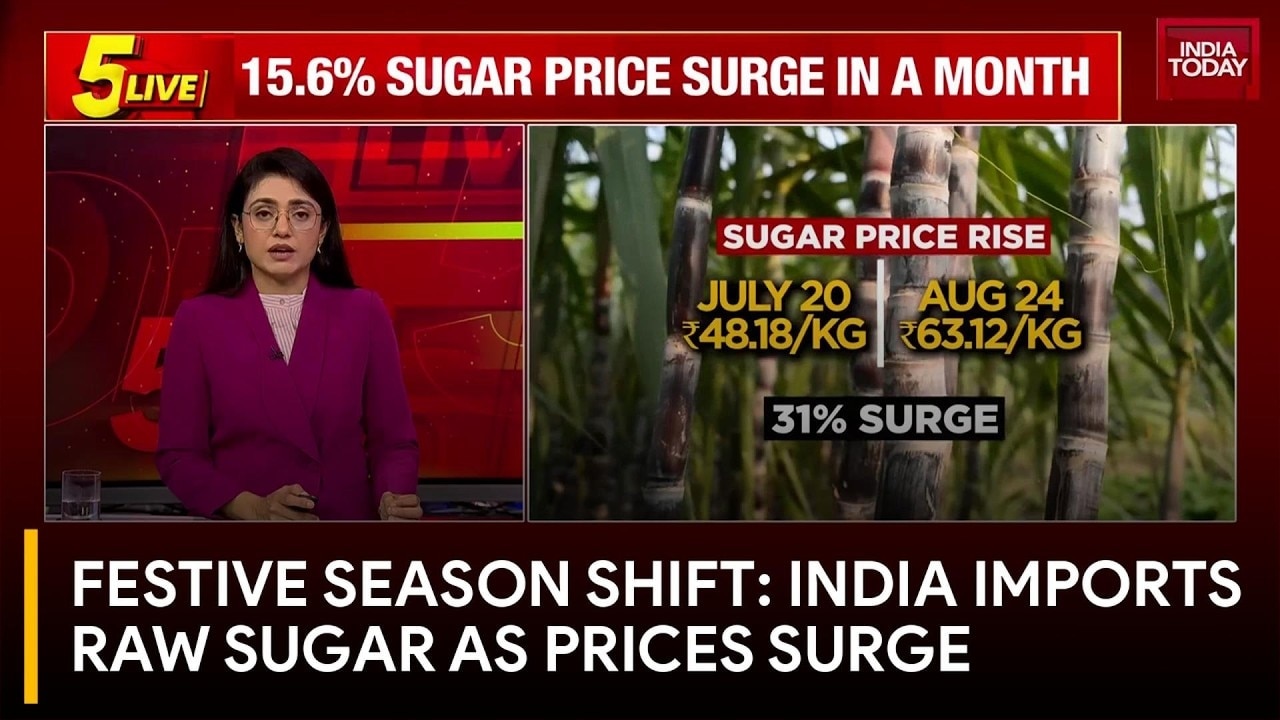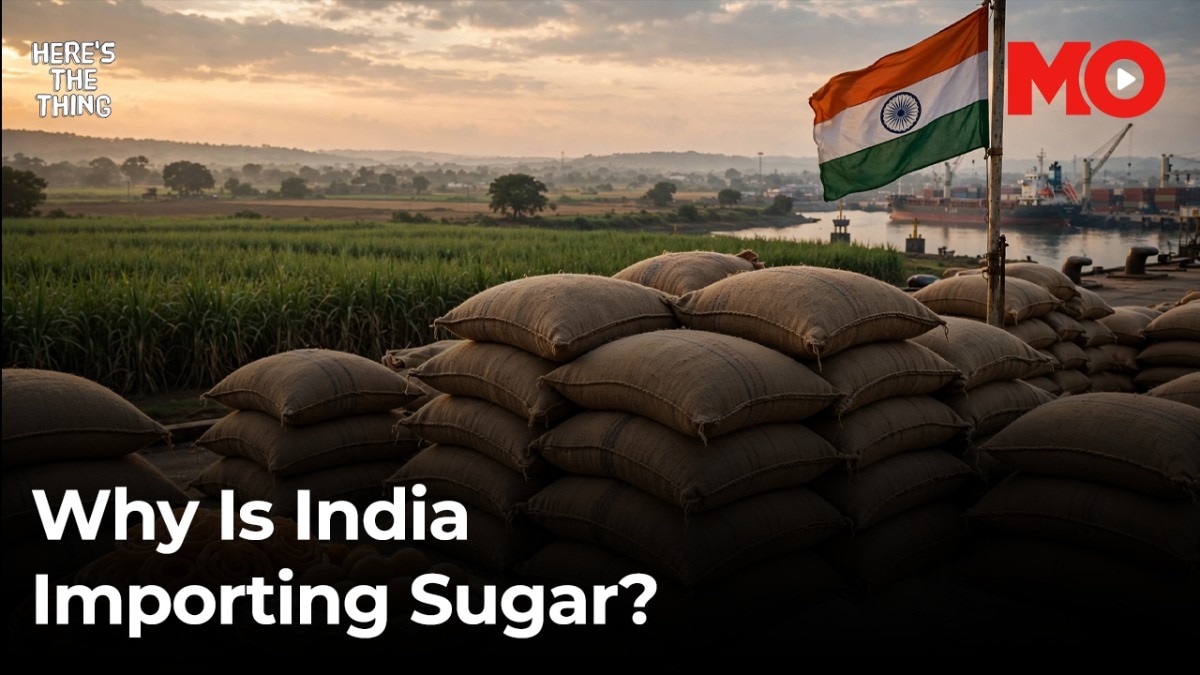
India produces a surplus of sugar yet continues to import the commodity. This article examines the policy motives, market effects, and impact on farmers behind the seemingly paradoxical decision.
- India produced about 30 million tonnes of sugar in FY 2023‑24, creating a surplus.
- The government issued import licences to stabilise seasonal prices.
- Imports have introduced price volatility in the domestic market.
India is the world’s second‑largest sugar producer, but in 2024 the government still authorised sugar imports. The move, driven by price‑stabilisation concerns, has sparked debate among policymakers, traders and farmers.
According to the Ministry of Agriculture & Farmers’ Welfare, domestic production reached roughly 30 million tonnes while consumption hovered around 27 million tonnes, leaving a surplus of about 3 million tonnes. Despite this, import licences were granted to cushion regional price drops, especially in states where sugar prices fell sharply after the harvest.
The import policy is positioned as a market‑intervention tool. By allowing sugar to flow in from abroad, authorities aim to prevent a steep price decline that could erode farmer incomes. This aligns with the Reserve Bank’s broader objective of containing inflationary pressures in the food‑price basket.
For growers, the decision is a double‑edged sword. While it can protect farm‑gate prices in the short term, the influx of imported sugar may later trigger price spikes, creating uncertainty for both producers and processors.
Historical Background
India has previously resorted to sugar imports during 2010‑11, 2015‑16 and 2020‑21, even when production outpaced consumption. Each episode was linked to falling global prices and domestic market distortions, prompting authorities to use imports as a stabilisation mechanism.
Import vs Export Comparison
| Year | Imports (million tonnes) | Exports (million tonnes) |
|---|---|---|
| 2022‑23 | 0.5 | 1.2 |
| 2023‑24 | 1.1 | 1.0 |
Why This Matters
BozokMedia analysis shows that sugar‑import decisions reverberate beyond agriculture, influencing foreign‑exchange outflows, monetary policy and the Consumer Price Index (CPI). Unchecked imports could exacerbate price volatility and widen the trade deficit.
"Importing sugar despite a surplus is a strategic move to safeguard farmer incomes and temper short‑term price swings," says agricultural economist Dr. Ajay Singh.
Frequently Asked Questions
Q1: Why import sugar when there is a domestic surplus?
A: Imports are used mainly to stabilise regional prices and protect farmer earnings during post‑harvest price drops.
Q2: How does sugar import affect the Consumer Price Index (CPI)?
A: By moderating price volatility, imports can help keep CPI inflation from spiking unexpectedly.