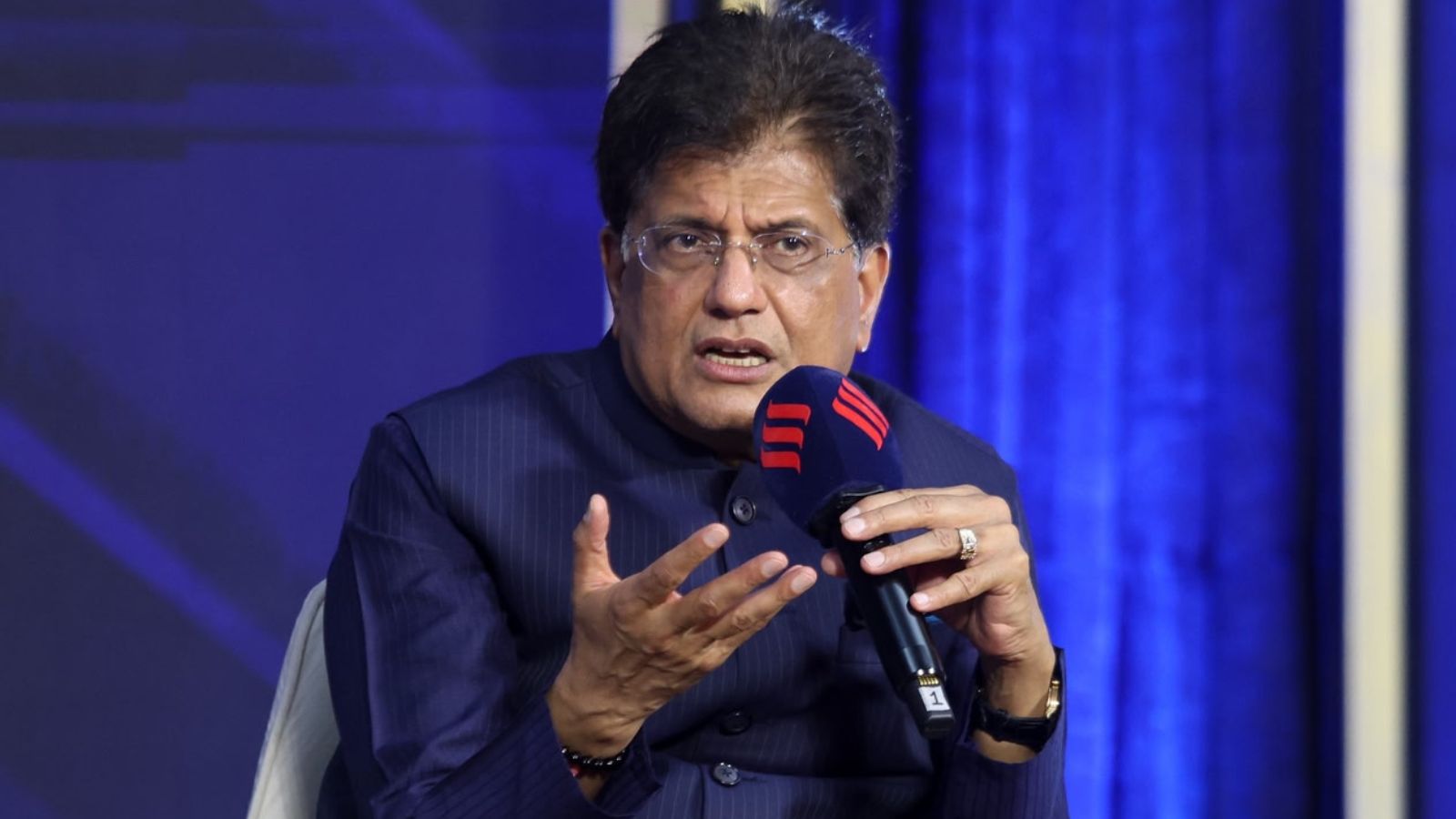
India has announced a comprehensive review of its 2011 trade agreement with Japan to close the widening trade gap and secure a $62 billion investment pipeline over the next decade. Commerce Minister Piyush Goyal urged Japanese firms to deepen localisation in India and tap into the country's cost‑competitive FTAs and engineering talent.
- India‑Japan 2011 trade pact to undergo detailed review
- Goal to attract ¥10 trillion (≈ $62 bn) investment in ten years
- New push for localisation, innovation funding, and cost competitiveness
New Delhi – Commerce and Industry Minister Piyush Goyal led a delegation of more than 220 Indian industry leaders to Japan from August 24‑27, aiming to deepen trade and investment ties. The government confirmed that the 2011 India‑Japan trade pact will be reassessed to narrow the growing trade deficit and to lock in a ¥10 trillion (over $62 bn) investment commitment for the next decade.
Background of the 2011 Agreement
The 2011 agreement opened preferential market access worth $17 trillion globally, but over the years the bilateral trade gap has widened, with Japan maintaining a surplus. Goyal highlighted that India is the fastest‑growing large economy and is on track to become a $30 trillion GDP powerhouse by 2047, making the pact’s overhaul a strategic priority.
New Investment Roadmap
During a round‑table, Goyal outlined three key asks: leverage the cost advantage of India’s FTAs, deepen localisation of Japanese operations, and tap into government‑backed innovation funding. He cited Suzuki Motor Corporation’s first large‑scale investment in the 1980s, noting that Suzuki’s market cap in India is now 1.6 times that of its parent company.
Safeguard Measures and Trade Sensitivities
Addressing Japanese concerns about safeguard measures, Goyal encouraged firms to source steel from India rather than import. In a fireside chat with Nikkei Asia editor‑in‑chief Akito Tanaka, he explained that India applies safeguards only for low‑end market segments, emphasizing the government’s “listening” approach through bodies like Invest India.
Why This Matters
BozokMedia analysis shows that narrowing the India‑Japan trade gap and unlocking $62 bn of investment could propel India toward its $30 trillion GDP target by 2047, while providing Japanese firms a stable gateway to the fast‑growing Asian market.
"Localising production in India will not only cut costs for Japanese companies but also boost their global supply‑chain resilience," says international trade expert Dr. Anjali Mehra.
Historical Background
The India‑Japan Special Strategic and Global Partnership, launched in 2014, set the stage for cooperation in energy, infrastructure, technology, and defence. The 2011 trade pact built on this foundation, yet evolving market dynamics now demand a refreshed framework.
Frequently Asked Questions
Q1: Which sectors will the ¥10 trillion investment primarily target?
A: The focus will be on automotive, advanced manufacturing, fintech, and aerospace.
Q2: How quickly can the trade gap be narrowed after the pact review?
A: Experts estimate a noticeable improvement within 3‑5 years if the new measures are promptly enacted.