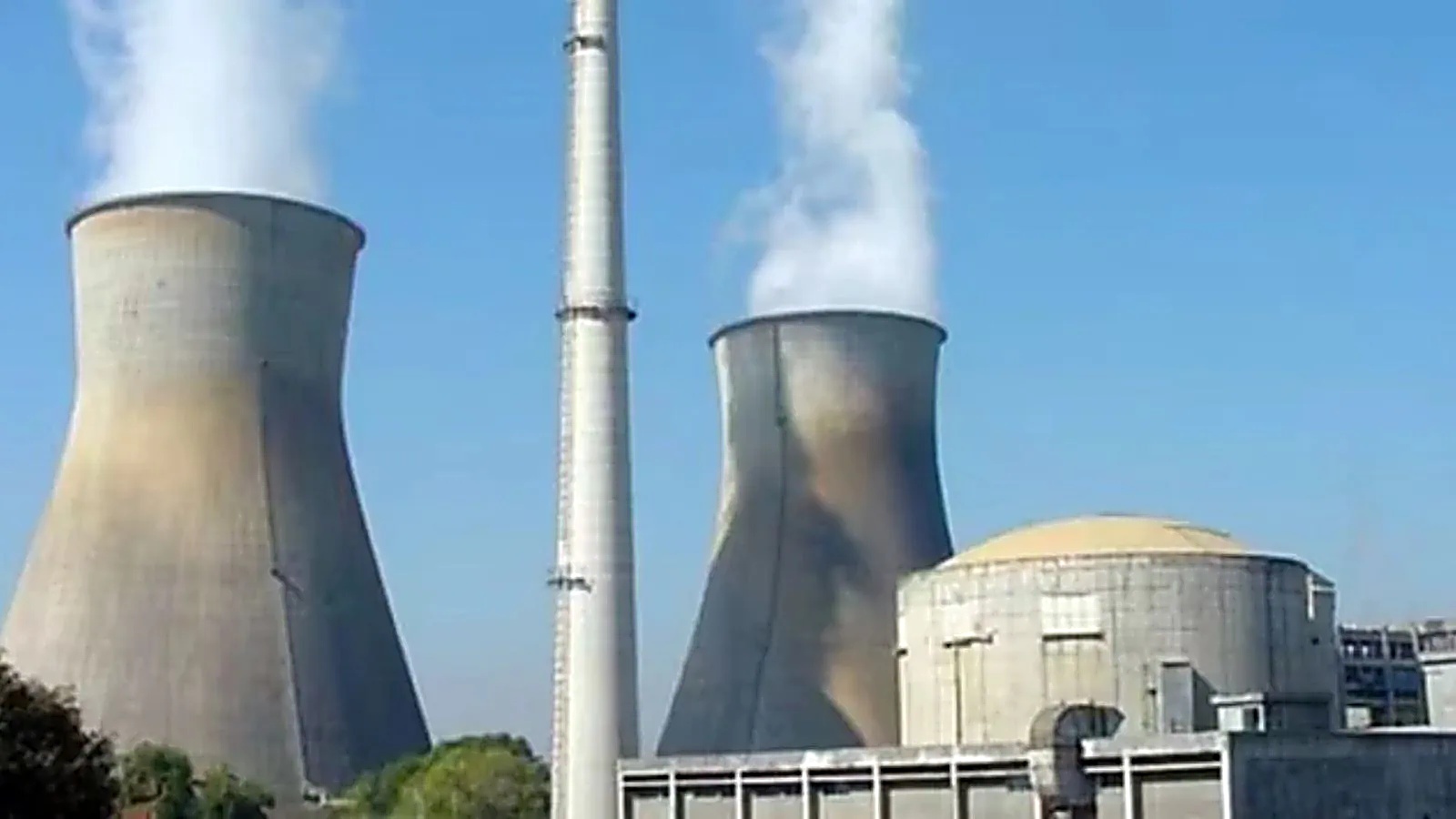
NPCIL is planning to establish a dedicated design vertical to provide technological support, design reviews, and quality assurance to private players and state governments entering India's nuclear energy market.
- NPCIL is proposing a new design vertical to act as a technical gateway for private entities.
- Major players like Adani Group (10 GWe) and Jindal Steel (18 GWe) are eyeing massive nuclear capacity.
- Indigenous PHWR technology is favored due to its significantly lower cost compared to foreign alternatives.
In a significant move to bolster India's energy landscape, the Nuclear Power Corporation of India Ltd (NPCIL) is planning to set up a specialized design vertical. This new unit is intended to provide critical technological support, design reviews, and quality assurance to private companies and state governments looking to deploy indigenous nuclear reactor technology.
This strategic move follows the enactment of the SHANTI (Sustainable Harnessing and Advancement of Nuclear Energy for Transforming India) Act in December 2025. The act is expected to provide a much-needed legal framework for licensing new nuclear projects, paving the way for streamlined operations through NPCIL's new vertical.
Why This Matters
BozokMedia analysis shows that India's roadmap, set by the Central Electricity Authority (CEA), aims for a massive 100 GWe nuclear capacity by 2047. Currently, the nation's 8.7 GWe capacity is entirely managed by NPCIL. To meet future demands, the integration of private capital is essential, but it requires a robust technical ecosystem to ensure safety and efficiency.
Indigenous PHWR technology remains the most cost-effective entry point for India's price-sensitive power market.
The preference for Pressurised Heavy-Water Reactors (PHWR) stems from their established domestic supply chain. Industry insiders note that while foreign technologies like Light Water Reactors (LWRs) are available, they come with a heavy price tag. For instance, indigenous reactors cost approximately ₹18 crore per MWe, whereas Russian reactors cost around ₹34 crore per MWe, and Western technologies are even more expensive.
Reactor Cost Comparison
| Reactor Type | Estimated Cost (per MWe) | Key Advantage |
|---|---|---|
| Indigenous PHWR | ₹18 Crore | Cost-effective & Mature Supply Chain |
| Russian Reactors | ₹34 Crore | Higher Capital Requirement |
| French/US Reactors | Significantly Higher | Complex and Expensive Imports |
The scale of private interest is immense. Adani Group and Jindal Steel have expressed ambitions to develop 10 GWe and 18 GWe of nuclear capacity, respectively. These industry leaders believe that the existing 700 MWe PHWR design serves as an ideal foundation for scaling up capacity before transitioning to Small Modular Reactors (SMRs) in the future.
Frequently Asked Questions
1. What is the role of the new NPCIL design vertical?
It will serve as a technical gateway, providing design reviews, quality assurance, and PHWR technology expertise to private players.
2. Why is PHWR preferred over foreign technology?
PHWR is more cost-effective, has a mature domestic supply chain, and is better suited for India's price-sensitive market.