Following devastating Ukrainian drone strikes on its refining capabilities, Russia has pivoted to India to secure essential gasoline supplies to meet domestic demand.
- Ukrainian drone strikes have severely damaged Russia's critical oil refining infrastructure.
- India dispatched over 1 million barrels of petrol to Russia during June and July.
- Nayara Energy's Vadinar refinery is identified as a primary Indian supplier.
- Russia is effectively importing its own crude oil, refined in India, back in the form of gasoline.
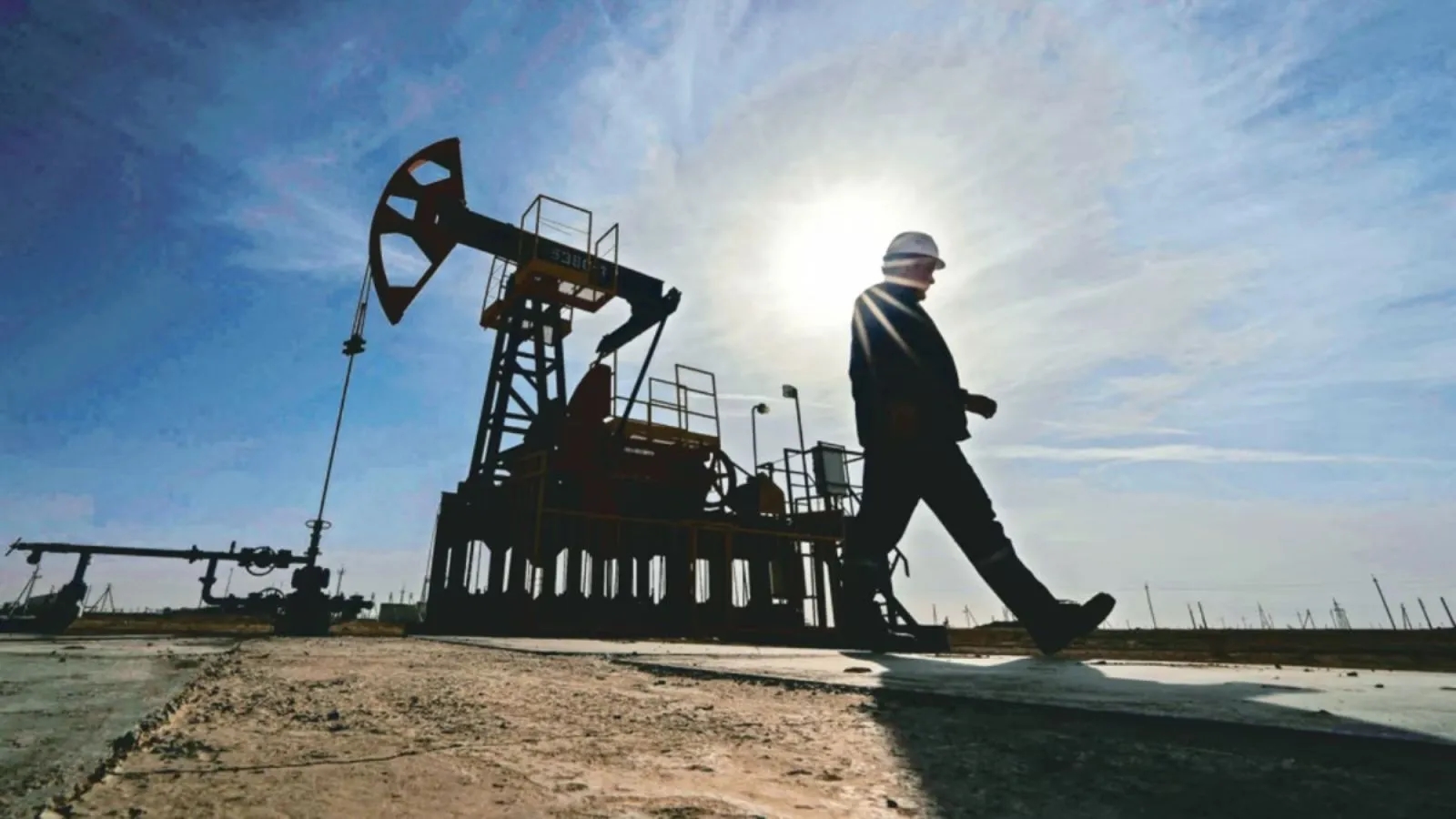
MOSCOW, Russia: In a significant shift in global energy dynamics, Russia—one of the world's premier crude oil producers—has been forced to import gasoline to stabilize its domestic market. This move comes as a direct consequence of repeated Ukrainian drone strikes targeting Russia's vital oil refining infrastructure, creating a supply-demand mismatch within the Kremlin's borders.
Ship tracking data reveals a striking trend: India has dispatched an estimated 1 million barrels of petrol to Russia over the months of June and July. While Russia traditionally relies on neighbors like Belarus and Kazakhstan for petroleum products, energy analysts suggest this marks a historic first for direct large-scale gasoline imports from India.
A Paradigm Shift in Energy Relations
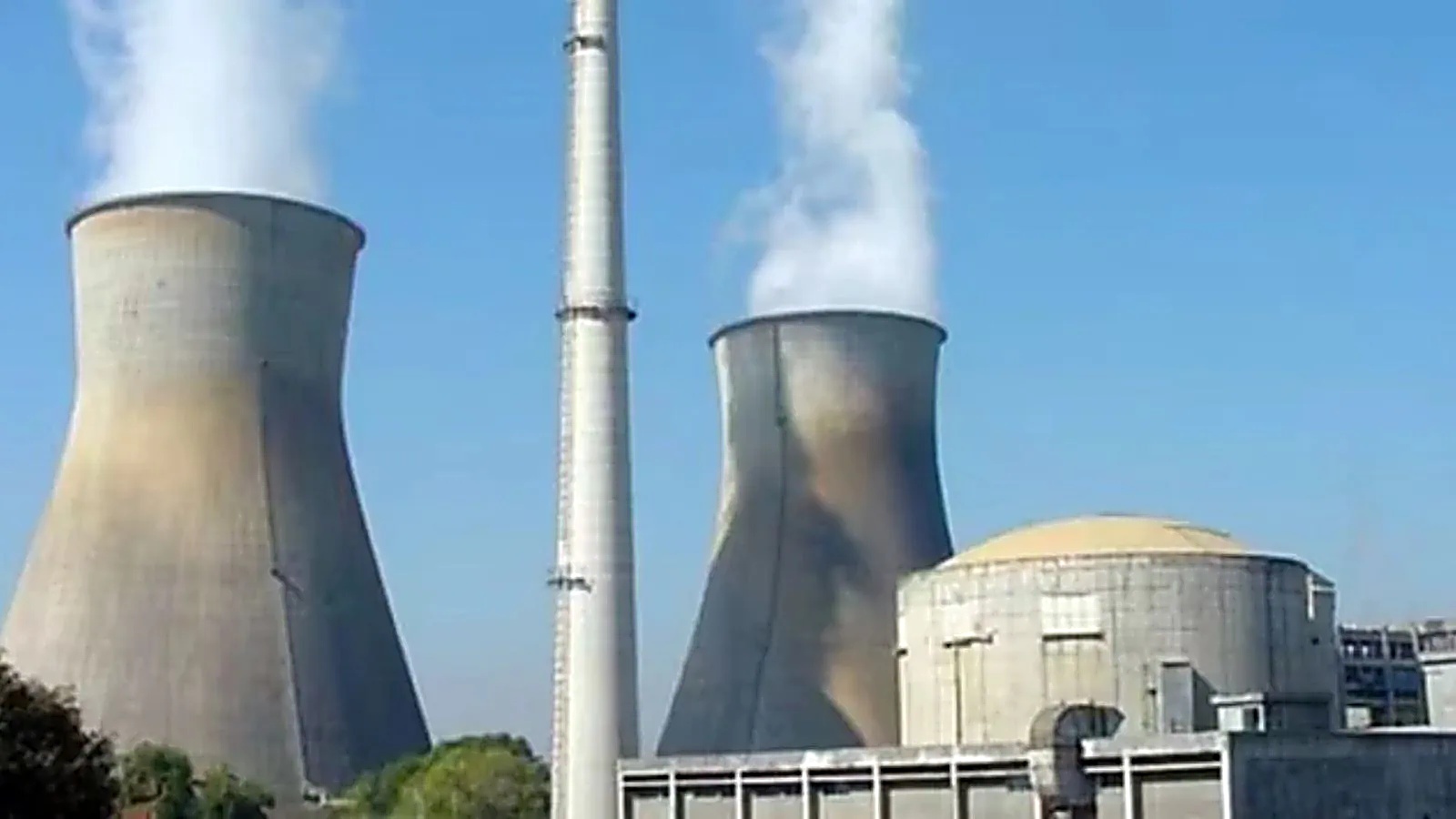
The current situation highlights a fascinating, circular economic model between Moscow and New Delhi. For the past four years, India has emerged as a top buyer of Russian crude, taking advantage of discounted prices following Western sanctions. Now, the cycle has completed: Russian crude flows to Indian refineries, such as Nayara Energy's Vadinar facility, is processed into high-quality petrol, and is then shipped back to Russia to fuel its citizens.
With refinery throughput depressed by strikes, Russia has responded by restricting product exports and altering specifications to protect domestic availability.
BozokMedia analysis shows that this dependency on India is not merely a matter of convenience but a strategic necessity. As Ukrainian strikes continue to disrupt the refining process, the 'buffer' that Russia once relied on has evaporated, making long-distance maritime trade with India a lifeline for the Russian economy.
Why This Matters Globally
The instability in Russian refining capacity has ripples across the global market. While Russia remains comfortable with its diesel supplies due to a refining system geared toward diesel production, the gasoline market is highly exposed. The lack of a buffer means that any sudden drop in refinery output leads to immediate domestic shortages and export bans.
| Fuel Type | Supply Status | Export Policy |
|---|---|---|
| Diesel | Relatively Stable | Restrictions for winter cushion |
| Petrol (Gasoline) | Critical Shortage | Strictly prohibited for export |
Frequently Asked Questions
1. Why is Russia importing petrol from India instead of its neighbors?
While Belarus and Kazakhstan are options, India's surplus refining capacity and the existing crude-for-refined-product trade loop make it a more viable large-scale supplier.
2. How have Ukrainian strikes affected the Russian economy?
The strikes have targeted the refining stage of the oil value chain, forcing Russia to pivot from being a net exporter of refined products to an importer.