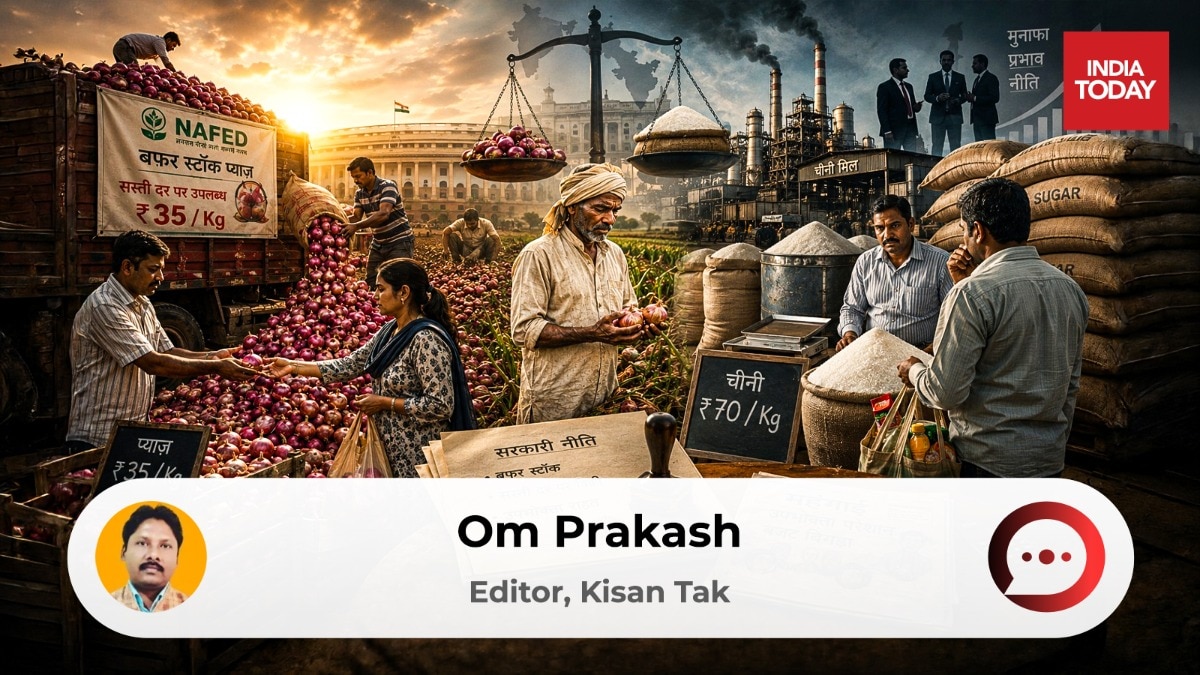
While the government uses NAFED buffer stocks to slash onion prices, it remains largely passive regarding skyrocketing sugar costs. This analysis explores the political clout behind these differing economic strategies.
- NAFED is selling onions at nearly 50% of the market rate to curb inflation.
- Sugar prices have surged from ₹45 to ₹70, yet no direct administrative intervention is seen.
- The sugar industry's strong political lobby in states like UP and Maharashtra influences policy.
- Agricultural policies often prioritize consumer relief over farmer profitability.
In the battle against inflation, the Indian government appears to be fighting with two different sets of rules. To combat the soaring cost of onions, which have hit ₹60–70 per kg, the government has mobilized NAFED to release buffer stocks at approximately ₹35 per kg. This 'Kanda Express' approach aims to provide immediate relief to urban consumers.
However, a glaring contradiction emerges when examining the sugar market. As sugar prices have climbed from ₹45 to ₹70 per kg, the government's intervention remains conspicuously absent. Unlike the aggressive price-cutting seen with onions, the approach toward sugar is limited to quotas and stock limits, leaving the high prices to persist in the open market.
Why This Matters
BozokMedia analysis shows that this discrepancy is not merely an economic oversight but a reflection of deep-seated political and industrial dynamics. The selective application of market intervention creates an uneven playing field for different sectors of the economy.
The disparity in commodity management highlights a systemic bias where organized industrial lobbies are protected, while unorganized agricultural sectors face the brunt of price controls.
The reason for this hesitation lies in the political economy of the sugar industry. In key states like Maharashtra, Uttar Pradesh, and Karnataka, sugar mills are often closely tied to powerful political figures. This industry represents one of India's most organized and influential lobbies. Consequently, the government avoids direct interventions that might jeopardize the profit margins of these mill owners.
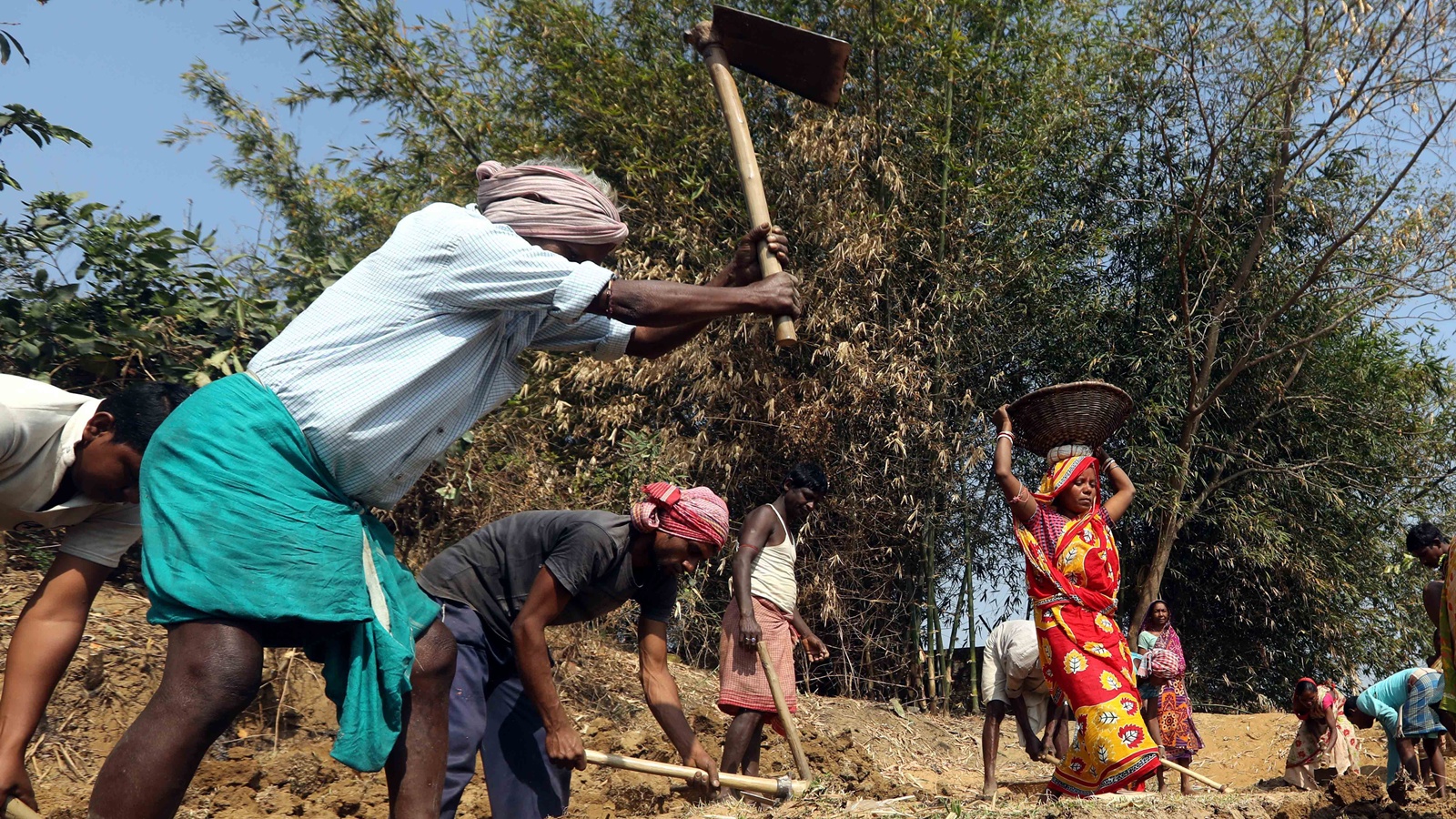
In stark contrast, the onion farmer is largely unorganized and lacks a centralized political voice. This allows the government to implement aggressive price caps and buffer stock releases without facing significant political backlash from the production side, even if it hurts the farmer's income.
| Feature | Onion Policy | Sugar Policy |
|---|---|---|
| Intervention Type | Direct Buffer Stock Sale | Quota & Stock Limits |
| Price Strategy | Selling at ~50% Market Rate | Market-driven/Limited Control |
| Political Lobby | Low/Unorganized | High/Highly Organized |
Historical Background
Historically, Indian economic policy has often oscillated between supporting farmers and protecting consumers. While the government uses export bans and duties to stabilize domestic supply, these measures often lead to massive revenue losses for producers. According to OECD data, consumer-centric policies have cost Indian farmers an estimated ₹111 lakh crore over the last 25 years.
Frequently Asked Questions
1. How is the government controlling onion prices?
The government is releasing NAFED buffer stocks into the market at nearly half the prevailing market price.
2. Why is there no 'Sugar Express' like the Kanda Express?
The sugar industry is a powerful political lobby, making the government hesitant to implement direct price-cutting measures that would impact mill profits.