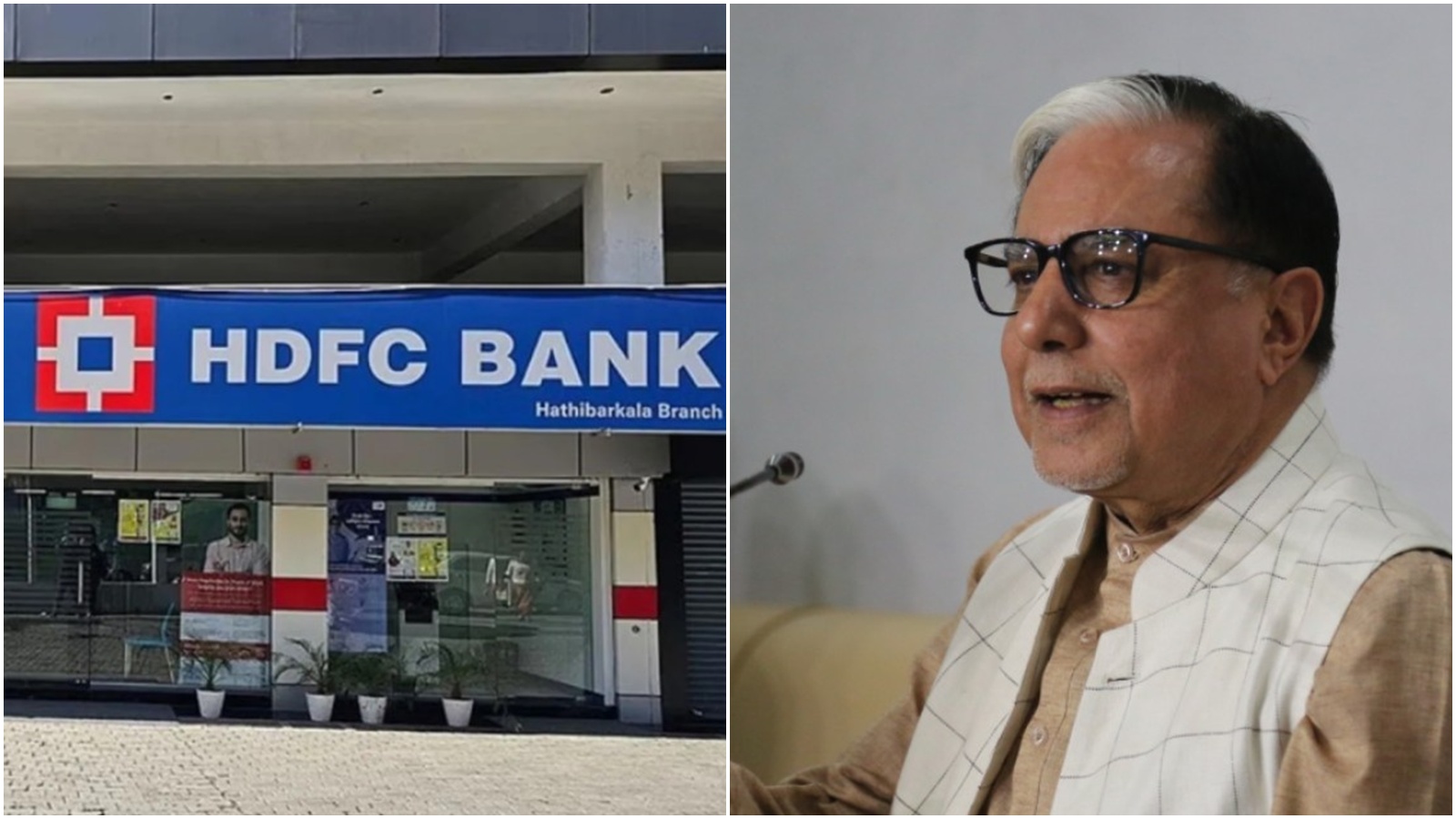
HDFC Bank is exploring an appeal at the NCLAT following the NCLT's approval of a repayment plan for Essel Group founder Subhash Chandra, which offers a massive haircut on guarantees worth ₹22,000 crore.
- HDFC Bank is contemplating an appeal against the NCLT order approving Subhash Chandra's repayment plan.
- The plan involves paying ₹6.25 crore against total guarantees amounting to ₹22,000 crore.
- HDFC Bank's claim represents only 3.2% of the total amount and was inherited from HDFC Ltd.
Mumbai: In a significant move that could impact the landscape of insolvency proceedings in India, HDFC Bank has announced it is "exploring an appeal" against a recent National Company Law Tribunal (NCLT) order. The order approved a repayment proposal by Subhash Chandra, founder of the Essel Group, which essentially provides a massive discount to creditors.
The NCLT's decision allows Chandra to settle his obligations by paying a mere ₹6.25 crore against personal guarantees that were originally signed for a staggering ₹22,000 crore. HDFC Bank clarified that its admitted claim accounted for only 3.2% of the total amount and that this liability was inherited from the erstwhile HDFC Limited prior to the merger.
Why This Matters
BozokMedia analysis shows that this case highlights a critical vulnerability in the Indian banking system: the gap between the existence of a personal guarantee and the actual recoverability of assets. When promoters' net worth diminishes significantly, even multi-thousand-crore guarantees can become virtually unenforceable, leaving lenders with minimal recourse.
A personal guarantee is only as strong as the guarantor's liquid assets, a harsh reality exposed by this settlement.
The legal battle transcends the issues surrounding Zee Entertainment, focusing instead on Chandra's personal liabilities tied to corporate debt. While Chandra's office argues that the total claim against him is ₹3,992 crore and cites his declining net worth as a reason for the settlement, creditors have vehemently opposed the plan, citing the extraordinarily low recovery rate.
The NCLT decision was reached after a split verdict by a two-member bench, which was eventually resolved by a third judicial member. The tribunal took a pragmatic approach, concluding that the approved repayment plan might yield a better outcome than the protracted and potentially less lucrative process of bankruptcy and liquidation.
| Feature | Original Guarantee Amount | Proposed Settlement Amount |
|---|---|---|
| Total Amount | ₹22,000 Crore | ₹6.25 Crore |
| Recovery Percentage | ~0.028% | N/A |
Frequently Asked Questions
1. Why did the NCLT approve such a low settlement?
The tribunal reasoned that receiving a small amount through a repayment plan is more pragmatic and certain than the risks and costs associated with a full bankruptcy proceeding.
2. What is HDFC Bank's primary objection?
The bank is concerned about the significant discrepancy between the guaranteed amount and the actual recovery, which it believes warrants an appeal at the NCLAT.