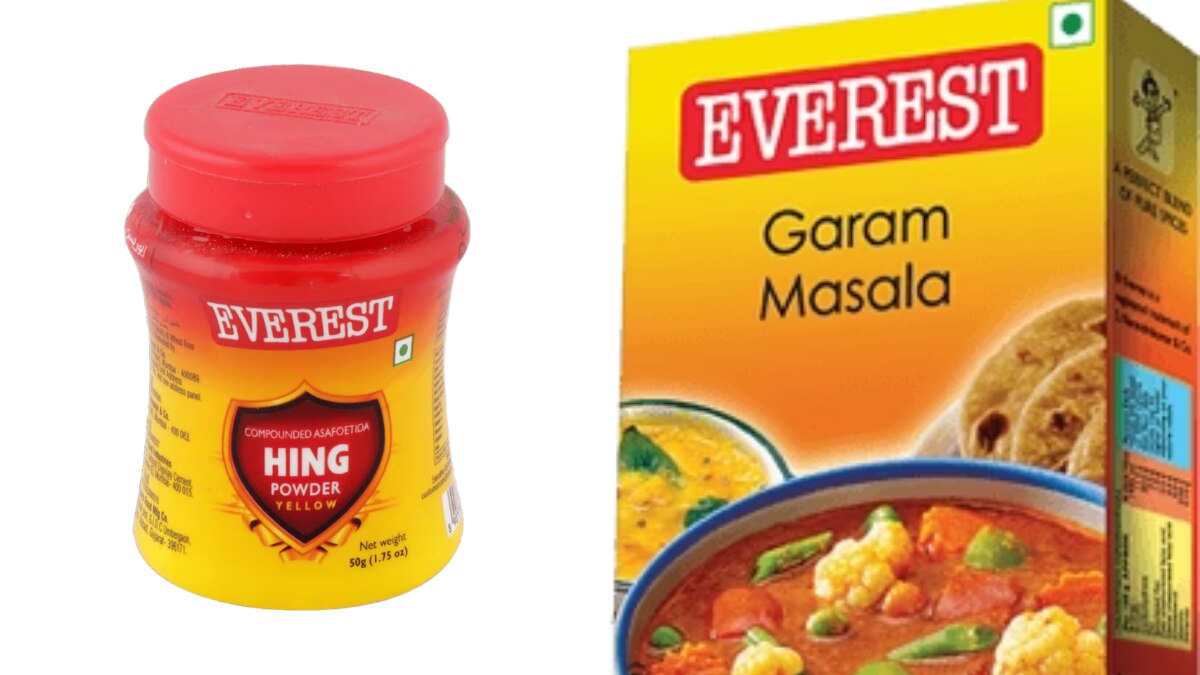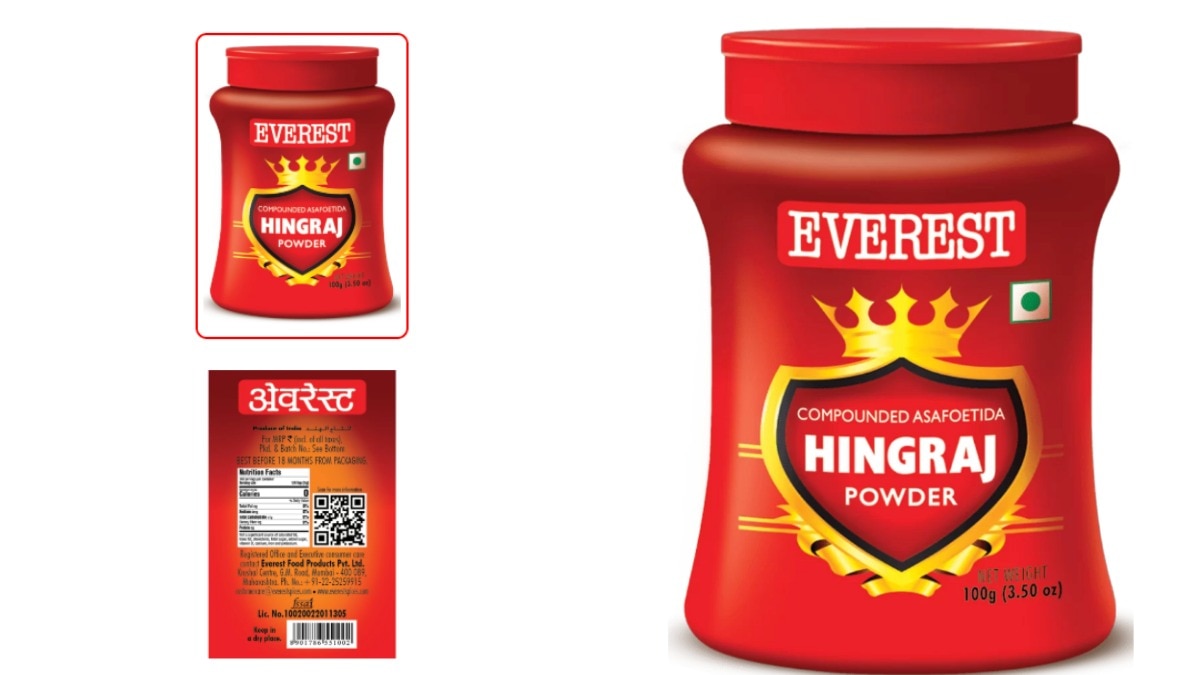
The FSSAI has imposed a sales ban on Everest and Laljee Godhoo compounded asafoetida after lab tests revealed significant adulteration and failure to meet safety standards.
- FSSAI has suspended the sale of compounded asafoetida (hing) from Everest and Laljee Godhoo.
- Testing revealed actual asafoetida content was 30-40% lower than required standards.
- Laljee Godhoo's pure asafoetida samples showed starch levels as high as 32%.
- The ban is specific to asafoetida products and does not affect other spice ranges.
New Delhi: In a major crackdown on food quality violations, the Food Safety and Standards Authority of India (FSSAI) has issued a ban on the sale of compounded asafoetida produced by two major spice giants, Everest and Laljee Godhoo. The regulatory action follows a series of laboratory tests that confirmed the products were significantly below the prescribed quality standards.
The investigation was triggered by a consumer complaint, prompting the agency to sample various leading brands in the market. The results were alarming. According to regulations, compounded asafoetida must contain at least 5% alcohol-soluble extract. However, laboratory analysis revealed that the samples from both companies contained only 0% to 3%, meaning the actual asafoetida content was roughly 30% to 40% lower than the legal requirement.
Why This Matters
BozokMedia analysis shows that such adulteration is not merely a matter of economic fraud but a significant public health concern. The use of excessive fillers like starch in spices can lead to digestive issues and undermines the therapeutic benefits traditionally associated with asafoetida. When household names fail to meet safety benchmarks, it erodes consumer trust in the entire organized food sector.
The irregularities extended beyond compounded products. Samples of pure asafoetida from Laljee Godhoo were also scrutinized. While the permissible limit for starch in pure asafoetida is no more than 1%, the testing revealed starch levels ranging between 15% and 32% across six different varieties. This indicates a systemic failure in maintaining product purity.
The failure of established brands to adhere to mandatory food safety protocols necessitates stringent regulatory oversight and immediate corrective measures.
In response to these findings, FSSAI has directed both companies to recall all substandard stock from the market immediately. The companies are also required to submit a plan detailing how they intend to rectify these deficiencies and ensure future compliance. It is important to note that this ban is strictly limited to asafoetida; the companies' other products, such as chicken masala and garam masala, remain unaffected by this specific order.
Frequently Asked Questions
1. Are all Everest spices banned?
No, the FSSAI ban applies exclusively to asafoetida (hing) products. Other spices like garam masala or chicken masala are not under this ban.
2. What did the FSSAI find in the samples?
The agency found that the amount of actual asafoetida was significantly lower than the legal limit, with high levels of starch used as fillers.