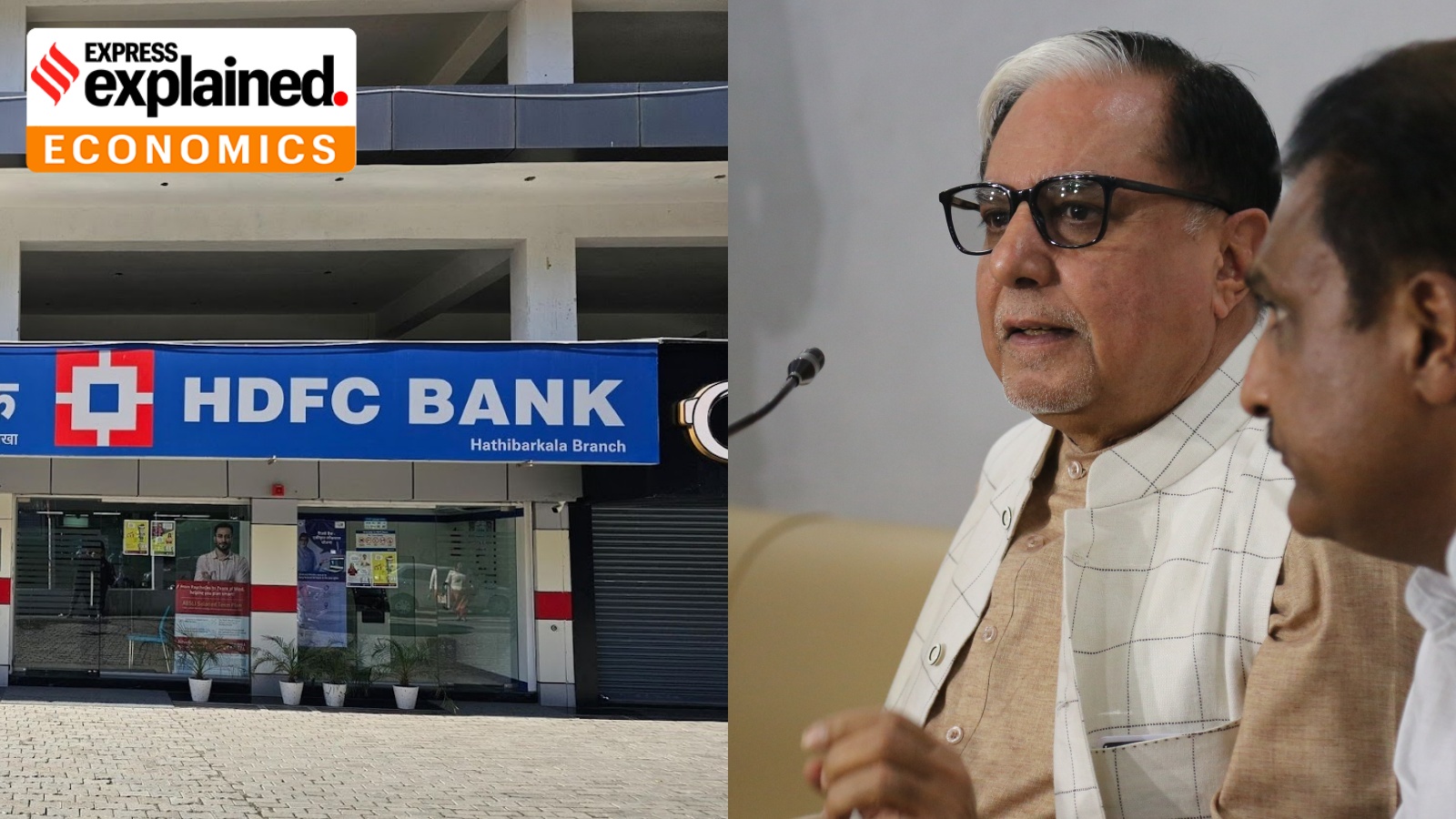
The NCLT has approved a resolution plan for Zee founder Subhash Chandra that proposes paying just ₹6.25 crore against claims exceeding ₹22,000 crore. Major banks are now alleging that the plan was pushed through using votes from Chandra's own associates.
- NCLT approved a repayment plan of ₹6.25 crore against admitted claims of approximately ₹22,006.57 crore.
- Banks allege that 61.78% of the vote share in favor of the plan belonged to Chandra’s associates.
- Dissenting banks held only a 19.186% vote share, making them unable to block the resolution.
- Subhash Chandra's office has officially denied any wrongdoing, claiming the entities are not 'associate parties'.
In a move that has sent shockwaves through the Indian financial sector, the National Company Law Tribunal (NCLT) has sanctioned a resolution plan for Zee founder Subhash Chandra. The plan is startling in its scale: it proposes a total repayment of just ₹6.25 crore to creditors against admitted claims amounting to a massive ₹22,006.57 crore. This settlement primarily concerns personal guarantees provided for borrowings by entities within the Essel Group.
The controversy centers on the integrity of the voting process under the Insolvency and Bankruptcy Code (IBC). While the plan received an overwhelming 80.814% majority, major financial institutions, including HDFC Bank, LIC Housing Finance, and Canara Bank, have raised serious allegations. The banks contend that the majority vote was orchestrated by entities linked to Chandra himself.
Why This Matters
BozokMedia analysis shows that this case serves as a critical litmus test for the IBC framework. If a debtor can leverage 'related parties' to secure a massive 'haircut' (loss for creditors) through strategic voting, it undermines the very essence of the insolvency process, which is meant to maximize value for all stakeholders.
This case highlights a potential loophole where the technical definition of an 'associate' can be used to bypass the spirit of creditor protection.
According to the banks, entities such as Veena Investments Pvt Ltd, World Crest Advisors LLP, and Lemonade Capital Advisors LLP—which collectively held a dominant vote share—are closely connected to the debtor. HDFC Bank specifically argued that these entities should be classified as associates and their votes should have been disqualified from the count.
Subhash Chandra’s office has hit back at these claims, labeling them inaccurate. In a formal statement, they clarified that the entities in question were part of a family business separation that occurred in 2008-09 involving Jawahar Goel. They maintain that under the strict statutory definitions of the IBC, these companies do not qualify as 'associate entities' and their participation in the vote was entirely legal.
The legal complexity deepens with the argument regarding corporate subsidiaries. The debtor’s counsel argued that if a parent company like Veena Investments is not an associate, its downstream subsidiaries like Direct Media Distribution Ventures cannot automatically be classified as such, creating a significant legal shield for the voting bloc.
Historical Background
The Essel Group, once a titan in the Indian media and infrastructure landscape, has faced a decade of mounting debt and liquidity crises. The personal guarantees provided by Subhash Chandra have become the final battleground as banks attempt to recover dues from the sprawling conglomerate's various interconnected entities.
Frequently Asked Questions
1. Why couldn't the banks stop the plan?
Under the IBC, the resolution is decided by vote share. Since the banks collectively only held 19.186% of the votes, they were mathematically unable to block a plan supported by a 80.814% majority.
2. What is the next step for the protesting banks?
Banks typically have the right to appeal the NCLT's decision in the National Company Law Appellate Tribunal (NCLAT) or even the Supreme Court if they can prove collusion or legal errors.