From ₹100-crore Gurgaon penthouses to exorbitant Mumbai rentals, luxury real estate in India has shifted from selling homes to selling an escape from urban dysfunction.
- Luxury real estate is no longer about square footage; it is about 'escape velocity' from city problems.
- Gated ecosystems in Gurgaon and Mumbai are creating parallel urban realities.
- High-end amenities act as a buffer against failing public infrastructure.
There is a profound shift occurring in the Indian urban landscape. It is no longer enough to own a prestigious address; the new ultra-wealthy are looking for something much more elusive: immunity. From the astronomical ₹100-crore apartments in Gurgaon to the ₹1.8 lakh monthly rentals in Mumbai, the luxury real estate market is no longer just selling homes—it is selling a way out of the city's systemic failures.
The City Inside the City
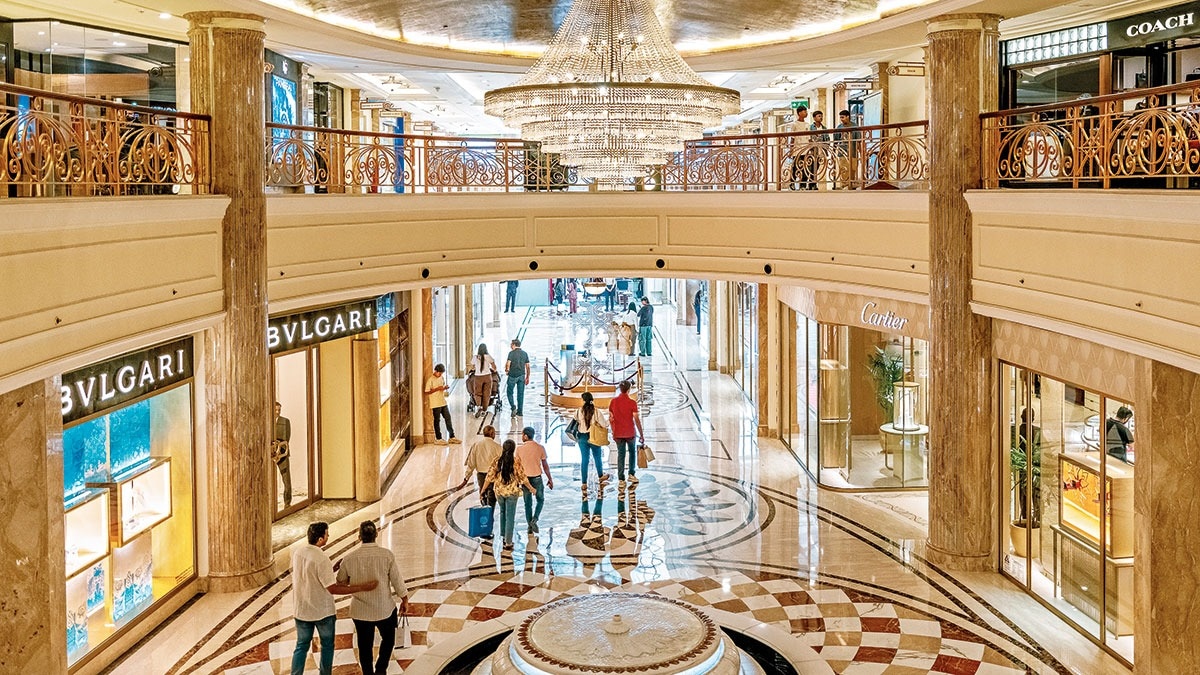
Modern luxury real estate tours on social media have evolved into something more akin to documentaries of an alternate reality. These aren't just walkthroughs of beautiful interiors; they are glimpses into self-sustaining ecosystems. While the average resident of the National Capital Region (NCR) battles waterlogging, erratic power, and declining air quality, these premium enclaves offer manicured lawns, professional-grade wellness centers, and drainage systems that seem untouched by the chaos outside their gates.
This phenomenon creates what can be termed 'India Premium'—a lifestyle where the maintenance charges are sky-high, the amenities are borderline absurd, and the city's problems are strategically kept at bay. You don't have to leave India; you just have to earn enough to live in a place that doesn't feel like the India outside its perimeter.
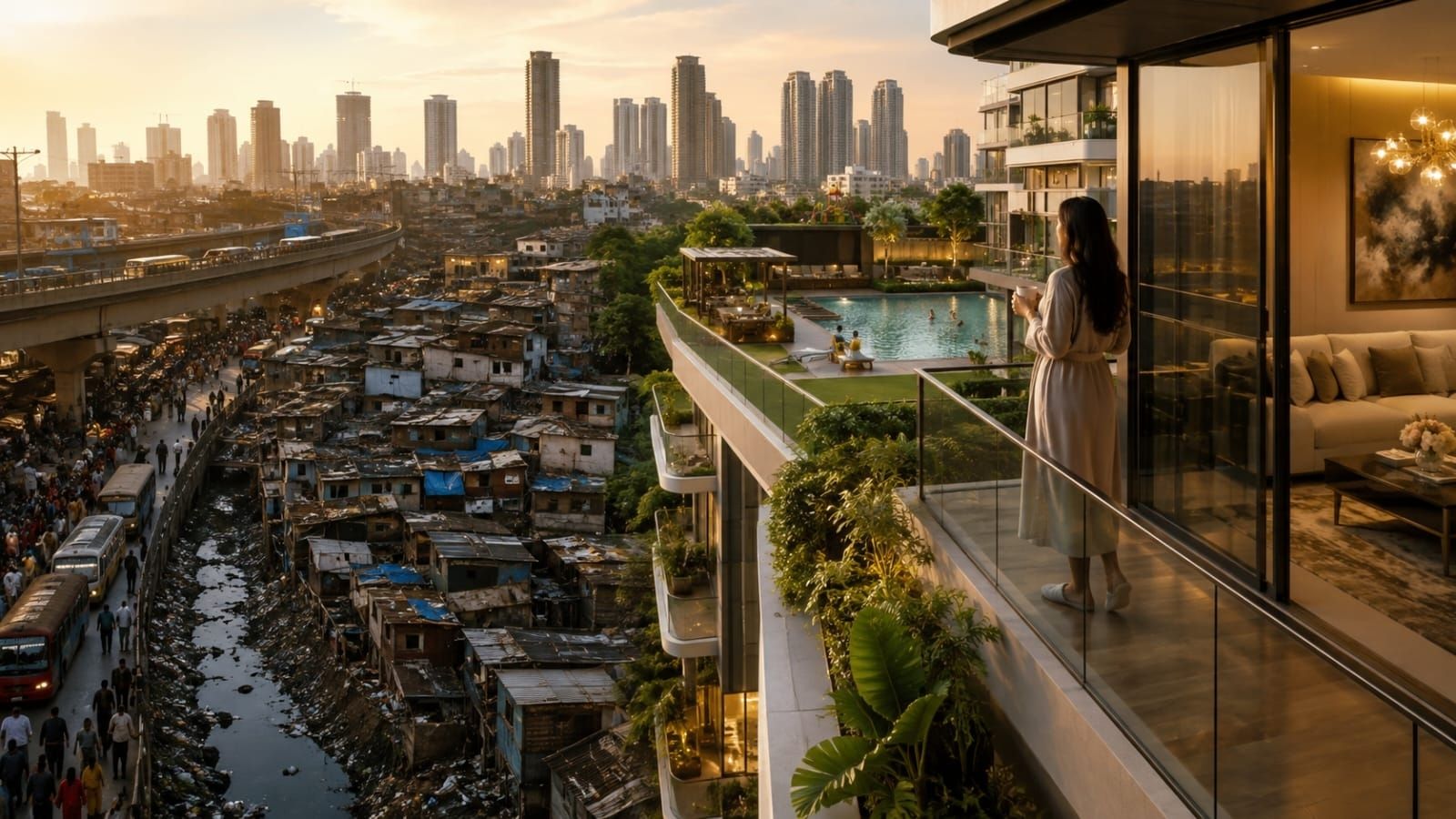
Luxury real estate is no longer selling space; it is selling distance from the broken road and the overflowing drain.
Why This Matters
BozokMedia analysis shows that this trend represents a fundamental decoupling of the elite from the civic fabric of the nation. When the most successful members of society build private versions of roads, parks, and security, the political and social pressure to fix public infrastructure diminishes. This creates a fragmented urban experience where prosperity and dysfunction exist side-by-side, separated only by a high-security gate.
Two Realities: Vertical vs. Horizontal
The method of escape varies by geography. In Gurgaon, the escape is often horizontal, involving massive gated townships that function as independent cities. In Mumbai, the escape is vertical. In areas like Bandra or South Mumbai, the exorbitant rent is a payment for altitude. The higher the floor, the further you are from the noise, the heat, and the sensory assault of one of the world's densest cities.
| Feature | Standard Urban Living | 'India Premium' Living |
|---|---|---|
| Infrastructure | Unreliable/Public | Private/Reliable |
| Environmental Buffer | Minimal | High (Manicured/Controlled) |
| Social Connectivity | Integrated with City | Isolated Ecosystem |
Frequently Asked Questions
1. What defines 'India Premium' real estate?
It refers to ultra-luxury gated communities that provide all essential services (water, security, leisure) privately, bypassing public municipal failures.
2. Is this trend increasing in India?
Yes, as urban density and infrastructure gaps grow, the demand for self-contained luxury ecosystems is seeing unprecedented growth.