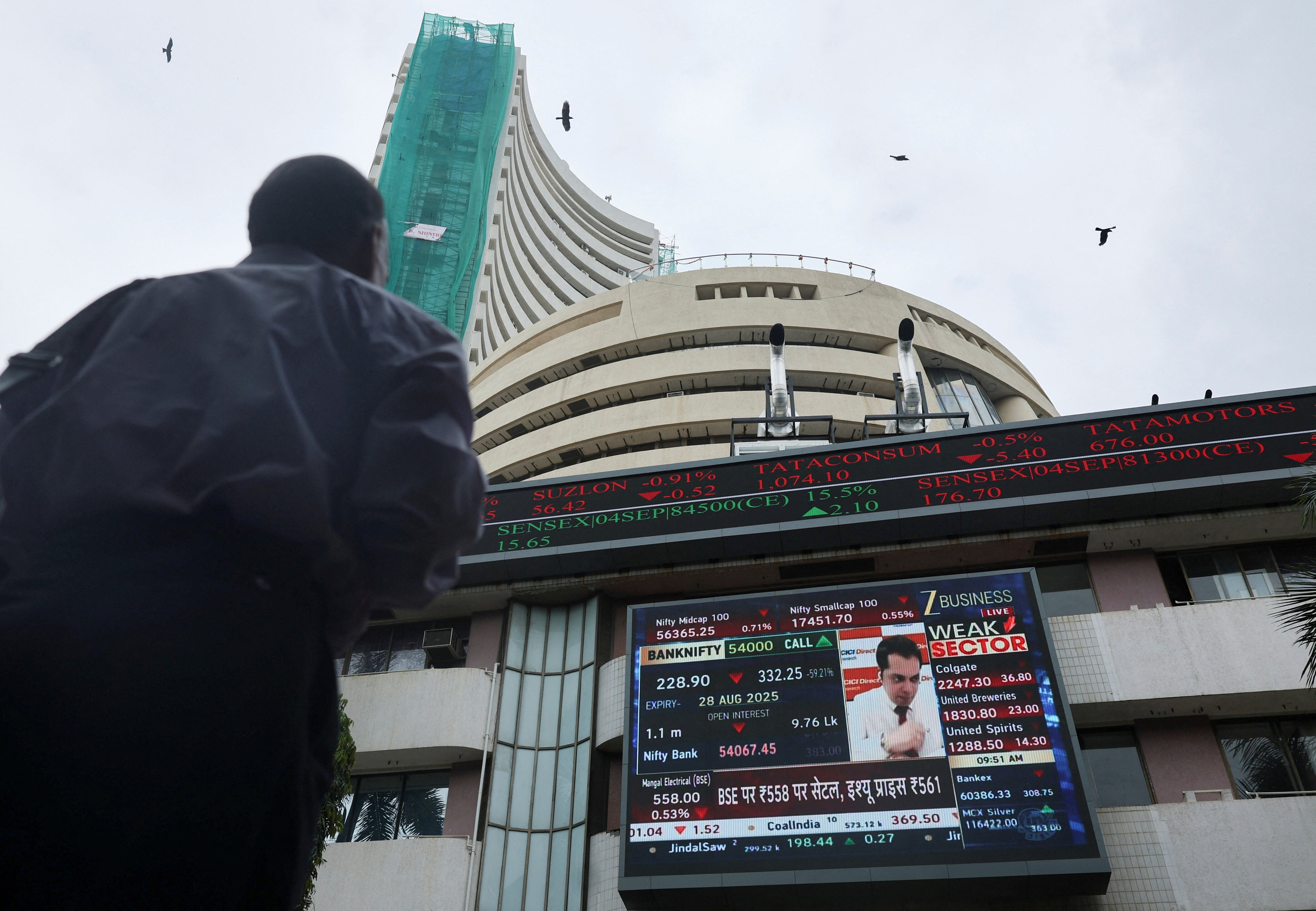
Global stock markets are facing intense pressure as crude oil prices surge past $91 per barrel and a massive bond selloff drives treasury yields higher, sparking inflation fears.
- Crude oil prices have surged beyond the critical $91 per barrel mark.
- A sharp selloff in the bond market has pushed yields higher.
- Equity markets are retreating due to rising operational costs and higher borrowing rates.
Global financial markets are currently navigating a volatile storm. According to reports from Reuters, the sudden spike in crude oil prices has sent shockwaves through investor sentiment. Crossing the $91 per barrel threshold typically signals an increase in input costs for transportation and manufacturing, which directly erodes corporate profit margins.
Compounding this pressure is a significant selloff in the bond market. As investors liquidate government bonds, yields rise. Higher yields increase the cost of borrowing for corporations and make the discounted future earnings of growth stocks—particularly in the tech sector—less attractive, leading to a broad equity decline.
Why This Matters
BozokMedia analysis shows that this convergence of rising energy costs and surging yields creates a 'perfect storm' for inflation. If energy prices remain elevated, central banks may be forced to maintain higher interest rates for longer, delaying any anticipated pivot toward monetary easing.
"The synchronization of energy inflation and rising bond yields is a primary catalyst for equity volatility in the current macroeconomic cycle."
Historical Background
Historically, energy shocks have been precursors to market corrections. From the oil crises of the 1970s to the volatility preceding the 2008 crash, the correlation between energy costs and market stability has been stark. In the modern era, this is further amplified by geopolitical instabilities in oil-producing regions, making the markets hyper-sensitive to supply chain disruptions.
| Factor | Market Impact | Outcome |
|---|---|---|
| Oil Price ($91+) | Increased Input Costs | Reduced Corporate Earnings |
| Bond Selloff | Higher Yields | Lower Equity Valuations |
Frequently Asked Questions
Q1: Why does a bond selloff lead to a stock market decline?
A: When bonds are sold, their yields rise. Higher yields offer a safer alternative to stocks and increase the cost of debt for companies, making equities less attractive.
Q2: How do oil prices affect the average consumer?
A: Higher oil prices increase the cost of fuel and shipping, which leads to 'cost-push inflation,' making everyday goods and services more expensive.