Buying a property based solely on location can be a financial trap. From RERA verification to hidden costs, here are five essential factors that determine whether your dream home is a safe investment or a liability.
- Verify RERA registration on the official government portal, not just via brochures.
- Conduct a professional legal audit of the title deed and encumbrance certificates.
- Analyze the builder's delivery history and construction quality of past projects.
- Calculate the 'all-inclusive' cost, including stamp duty, GST, and maintenance.
- Evaluate the area's infrastructure potential for the next 5-10 years.
For most individuals, purchasing a home is the most significant financial commitment of their lifetime. While the first instinct is often to prioritize location—proximity to metro stations, schools, or markets—location alone does not guarantee a secure investment. A prime address can be overshadowed by legal disputes or poor construction quality, leading to long-term distress.
1. Rigorous RERA Verification
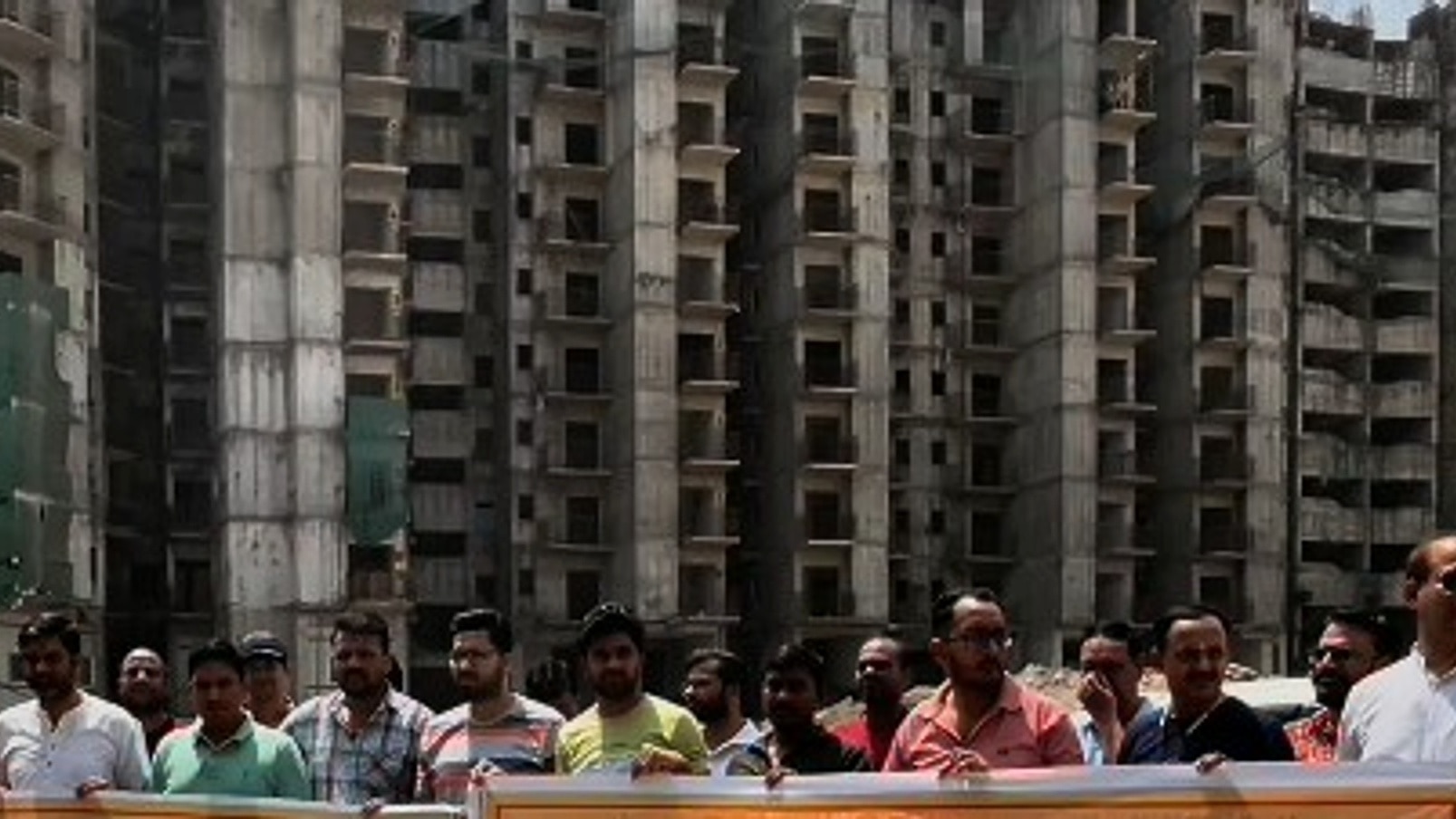
Under the Real Estate (Regulation and Development) Act, 2016, registration with RERA is mandatory for all under-construction projects. However, savvy buyers should not rely on the RERA number mentioned in advertisements. It is imperative to visit the state's official RERA website to cross-verify the project's status, the promoter's credentials, and the uploaded legal documents. This prevents investment in 'ghost projects' or those with significant delays.
2. Scrutinizing Title Deeds and Legal Papers
The biggest risk in real estate is not the price, but the title. Ensuring that the seller has a clear, marketable title and that the property is free from undisclosed mortgages or legal claims is non-negotiable. According to Reserve Bank of India (RBI) guidelines, buyers of resale properties must check the encumbrance certificate and updated property tax records.
"Relying solely on documents provided by the builder is a gamble; an independent title search by a qualified lawyer is the only way to ensure ownership security."
Why This Matters
BozokMedia analysis shows that a significant percentage of urban property disputes stem from faulty title chains. By investing in an independent legal audit, buyers mitigate the risk of future litigation and ensure that the property can be legally transferred or sold in the future.
3. Builder's Track Record vs. Brand Name
A prestigious brand name is not a substitute for a proven delivery record. Buyers should investigate the builder's history: Were previous projects delivered on time? Is the construction quality sustainable? Speaking with current residents of the builder's past projects provides a more authentic picture than any polished marketing campaign.
4. Calculating the True Cost of Acquisition
The 'base price' of a flat is rarely the final price. Many buyers are blindsided by additional costs that can inflate the budget by 10-20%.
| Expense Category | Details |
|---|---|
| Government Levies | Stamp Duty and Registration Fees |
| Taxation | GST (for under-construction units) |
| Additional Charges | Parking, Club Membership, and Maintenance Deposits |
| Loan Costs | Processing Fees and Legal Documentation Charges |
5. Future-Proofing the Location and Finances
Beyond current amenities, one must analyze the future trajectory of the neighborhood. Planned expressways, upcoming employment hubs, and the efficiency of drainage and power systems will dictate the property's future appreciation. Furthermore, avoid the trap of taking the maximum loan offered by the bank. Ensure your EMI is balanced against your monthly income to avoid financial asphyxiation.
Frequently Asked Questions
Q1: Is a RERA number enough to trust a project?
No. A RERA number proves registration, but you must check the portal for the project's actual progress, quarterly updates, and any complaints filed by other buyers.
Q2: What are the hidden costs in a home loan?
Beyond the interest rate, look for processing fees, technical valuation charges, and mandatory insurance premiums that banks often bundle with the loan.