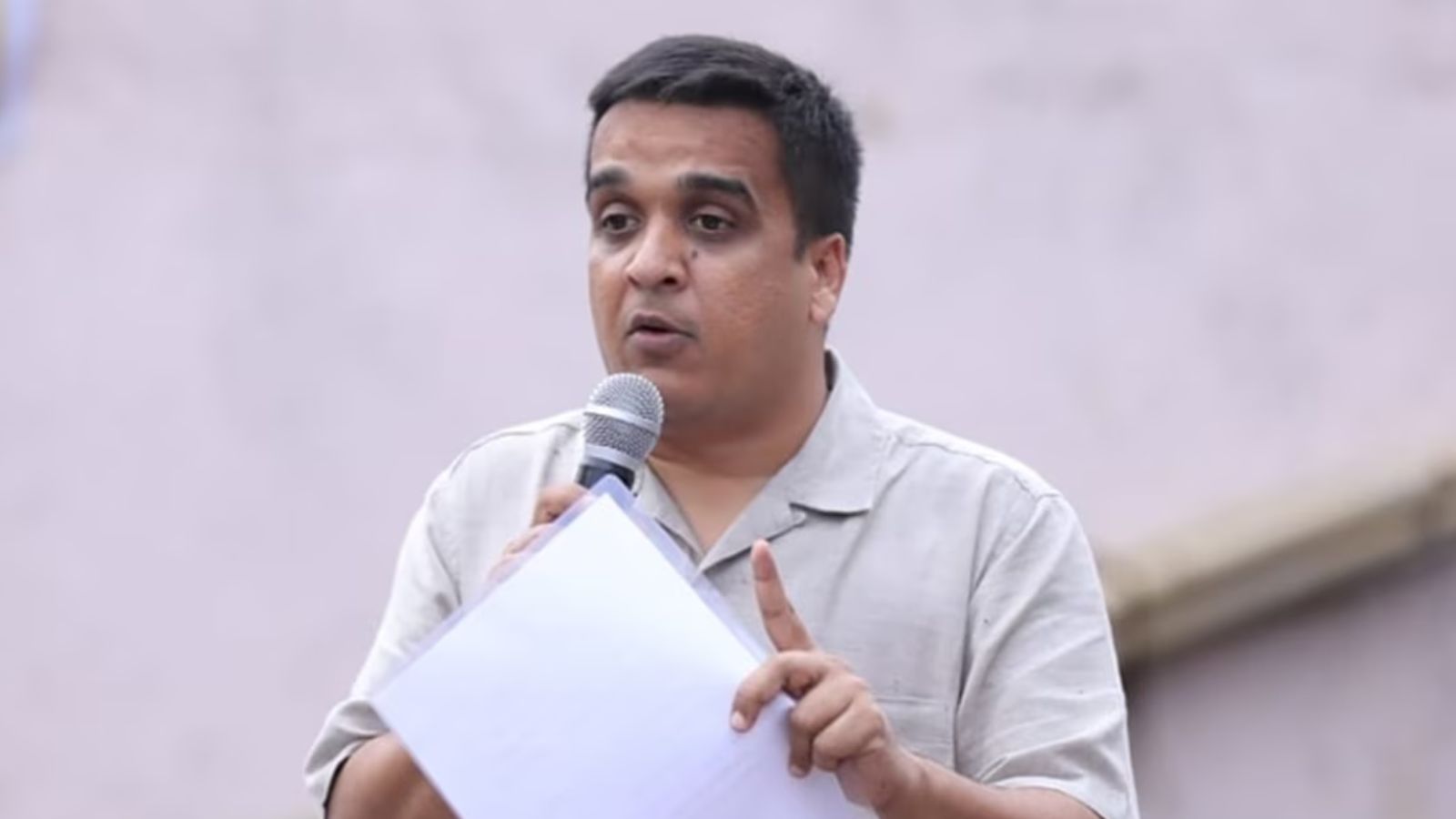
Gujarat Deputy CM Harsh Sanghavi emphasized that arbitration centers should be viewed as primary dispute resolution systems rather than just court alternatives. Speaking at GIFT City, he highlighted how a robust arbitration ecosystem will drive foreign investment.
- Arbitration must be treated as a primary dispute resolution system, not just a secondary option.
- Strengthening arbitration will significantly boost foreign investment in GIFT City.
- High-profile attendees included Supreme Court Justices and the Chief Justice of Gujarat High Court.
Gandhinagar (GIFT City): In a significant move toward legal reform, Deputy Chief Minister Harsh Sanghavi stated that arbitration centers have proven to be much more than mere alternatives to traditional courts. Speaking at the inauguration of the three-day arbitration conference in GIFT City, Sanghavi underscored the growing importance of institutional arbitration in the modern legal landscape.
The conference, organized as part of the GHAC Arbitration Week – 2026, operates under the theme 'Building Gujarat’s Institutional Arbitration Ecosystem.' The event saw a high-profile gathering of legal luminaries, including three sitting judges of the Supreme Court of India—Justices K. V. Viswanathan, Vipul Pancholi, and N. V. Anjaria—as well as Chief Justice Sunita Agrawal of the Gujarat High Court.
Why This Matters
BozokMedia analysis shows that this strategic push toward arbitration is designed to position Gujarat as a global business hub. By streamlining dispute resolution, the state aims to reduce judicial pendency and create a business-friendly environment that attracts massive international capital.
Arbitration should be seen not as an alternative dispute resolution system, but as a primary dispute resolution system.
Deputy CM Sanghavi indicated that aggressive efforts to strengthen the state's arbitration framework would yield the highest benefits for GIFT City. He noted that foreign firms seeking to invest in Gujarat prioritize jurisdictions with efficient and reliable dispute settlement mechanisms. He further assured the legal community of the Gujarat government’s unwavering cooperation in these endeavors.
Echoing this sentiment, Justice Viswanathan remarked that the efficacy of an arbitration institution is deeply rooted in the quality of its administration, the independence of its processes, and the competence of its adjudicators. Additionally, Justice Anjaria emphasized the need for a cost-effective, party-centric, and accessible process that minimizes unnecessary judicial intervention.
Historical Background
Historically, the Indian judicial system has been characterized by significant backlogs and lengthy litigation processes. To combat this, the legal framework has increasingly moved toward Alternative Dispute Resolution (ADR) mechanisms. The evolution of specialized arbitration centers marks a transition toward a more specialized, faster, and business-centric legal infrastructure.
Frequently Asked Questions
1. What is the theme of the GHAC Arbitration Week 2026?
The theme is 'Building Gujarat’s Institutional Arbitration Ecosystem.'
2. How will arbitration benefit GIFT City?
It will attract foreign firms by providing a reliable and efficient legal environment for resolving commercial disputes.