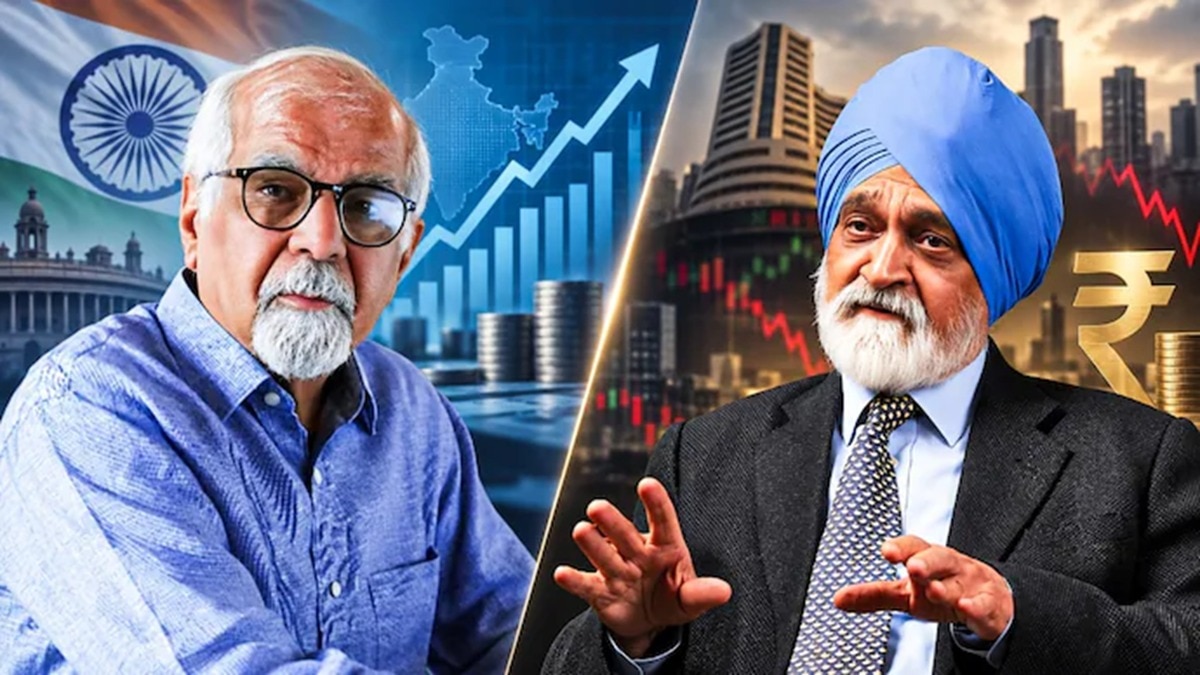
India's latest GDP figures have surpassed the RBI's 7% estimate for the April-June quarter. Is this a sign of unstoppable momentum or a temporary spike amidst global chaos?
- India's GDP growth hit 7.8%, significantly outperforming the RBI's 7% forecast.
- The growth comes despite ongoing global conflicts and geopolitical volatility.
- Economists are debating whether this reflects real consumer demand or fiscal stimulus.
The latest Gross Domestic Product (GDP) numbers released for India have sent shockwaves through the financial markets. Recording a growth rate of 7.8% for the April-June quarter, the figure has comfortably surpassed the Reserve Bank of India's (RBI) own estimate of 7%. While the headline number paints a picture of a roaring economy, a deeper dive is required to understand the underlying mechanics.
Navigating Global Turbulence
The timing of this robust growth is particularly striking. With the world grappling with localized wars, shifting trade tariffs, and immense geopolitical uncertainty, India's ability to maintain high-velocity growth is being scrutinized. Analysts are questioning how the domestic economy managed to decouple itself from the prevailing global headwinds.
Why This Matters
BozokMedia analysis shows that while top-line growth looks spectacular, the sustainability of this trajectory depends heavily on whether the growth is driven by private consumption or government-led capital expenditure. A shift toward private investment could signal a long-term structural upgrade for the nation.
High GDP growth in a volatile global environment often masks underlying vulnerabilities in the informal sector and rural demand.
There is a growing debate regarding the 'quality' of this growth. Critics suggest that if the growth is primarily fueled by massive government spending on infrastructure, the impact on the average citizen's purchasing power might be delayed. Without a corresponding rise in manufacturing and service-sector employment, the numbers may remain skewed toward the top tier of the economy.
Historical Background
Historically, India's economic cycles have been sensitive to external shocks, particularly energy prices and global liquidity. Over the last decade, India has transitioned from being a high-growth emerging market to a critical pillar of the global economy, though it remains susceptible to inflationary pressures caused by global supply chain disruptions.
Frequently Asked Questions
1. How does this compare to RBI projections?
The actual growth of 7.8% is 80 basis points higher than the RBI's projected 7%.
2. What global factors could threaten this growth?
Geopolitical tensions, rising crude oil prices, and changes in US Federal Reserve policies are primary risks.