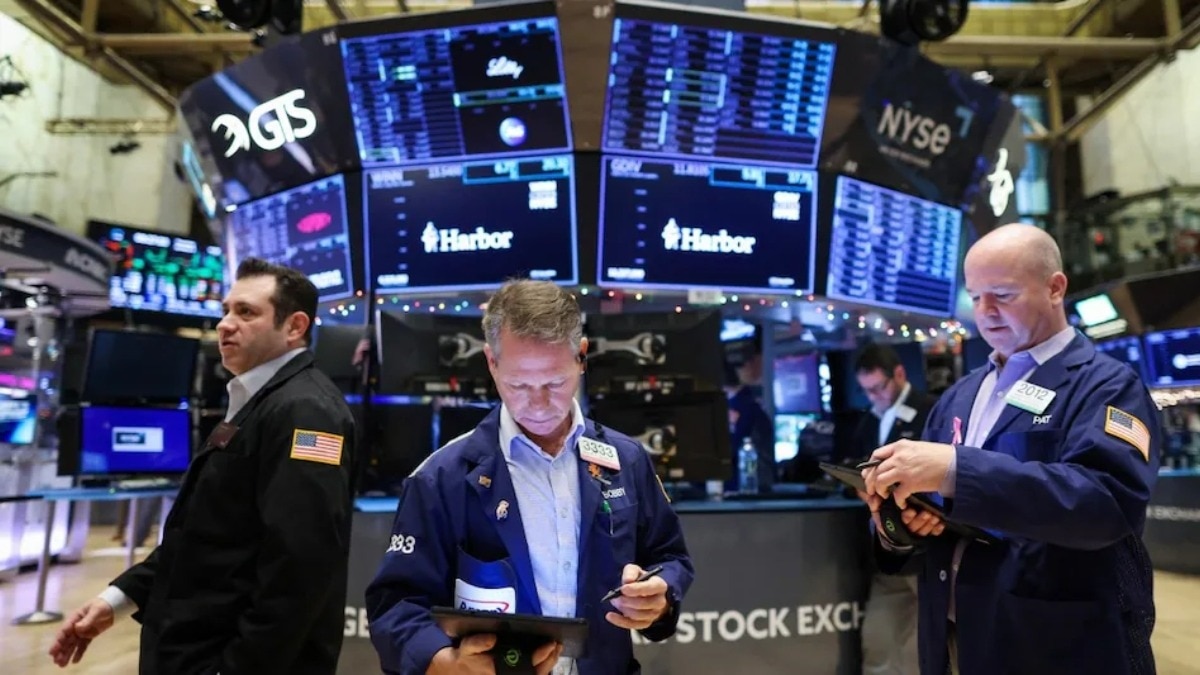
The U.S. labor market delivered a massive surprise in August with 162,000 nonfarm payrolls added, significantly outpacing economist forecasts. While unemployment remains steady at 4.1%, the surge has reignited debates over the Federal Reserve's next interest rate move.
- Nonfarm payrolls rose by 162,000 in August, far exceeding the projected 53,000.
- The unemployment rate remained stable at 4.1%.
- The hospitality sector (bars and restaurants) led job creation with 59,000 new roles.
- Information-related sectors saw a decline of 23,000 jobs, potentially linked to AI advancements.
The United States economy showcased unexpected resilience in August, reversing the summer hiring slowdown with a significant jump in employment. According to the latest data from the Bureau of Labor Statistics (BLS), nonfarm payrolls rose by a seasonally adjusted 162,000, smashing the Dow Jones consensus estimate of just 53,000. This represents the strongest monthly gain since March.
While the headline numbers suggest a robust economy, they have sent ripples through the financial markets. The Federal Reserve now faces a complex landscape. The strong labor data increases the pressure on policymakers to consider interest rate hikes to prevent overheating, even as they balance the need to support growth. Market traders are currently pricing in a roughly 60% chance of a rate hike at the upcoming September meeting.
Why This Matters
BozokMedia analysis shows that this report shifts the narrative from 'recession fears' to 'inflation management.' The divergence between sector growth—where hospitality thrives—and sector decline—where information technology struggles due to AI—highlights a structural shift in the American workforce that could have long-term implications for productivity and wage growth.
"Net, net, the labor market is alive and well and generating thousands of new jobs to help keep economic growth squarely in the plus column," said Chris Rupkey, chief economist at Fwdbonds.
Sectoral breakdown reveals a mixed bag. The hospitality industry, specifically bars and restaurants, was the primary engine, adding 59,000 jobs. Government education and manufacturing also contributed positively. However, the information sector reported a loss of 23,000 jobs. Analysts suggest that increased investment in Artificial Intelligence may be displacing traditional roles in this sector, a trend that warrants close monitoring.
Political reactions were swift. Former President Donald Trump lauded the job numbers but sharply criticized the Federal Reserve's stance. Trump urged the Fed to lower interest rates rather than hike them, claiming high rates put the U.S. at a disadvantage. He further escalated his rhetoric by suggesting trade restrictions on deficit-running nations if the Fed does not pivot toward rate cuts.
Frequently Asked Questions
1. How did the August jobs report compare to expectations?
The report showed 162,000 jobs added, which was significantly higher than the 53,000 jobs economists had predicted.
2. Is AI affecting the U.S. job market?
There are early signs; information-related industries saw a loss of 23,000 jobs, which experts attribute to the rapid integration of AI technology.