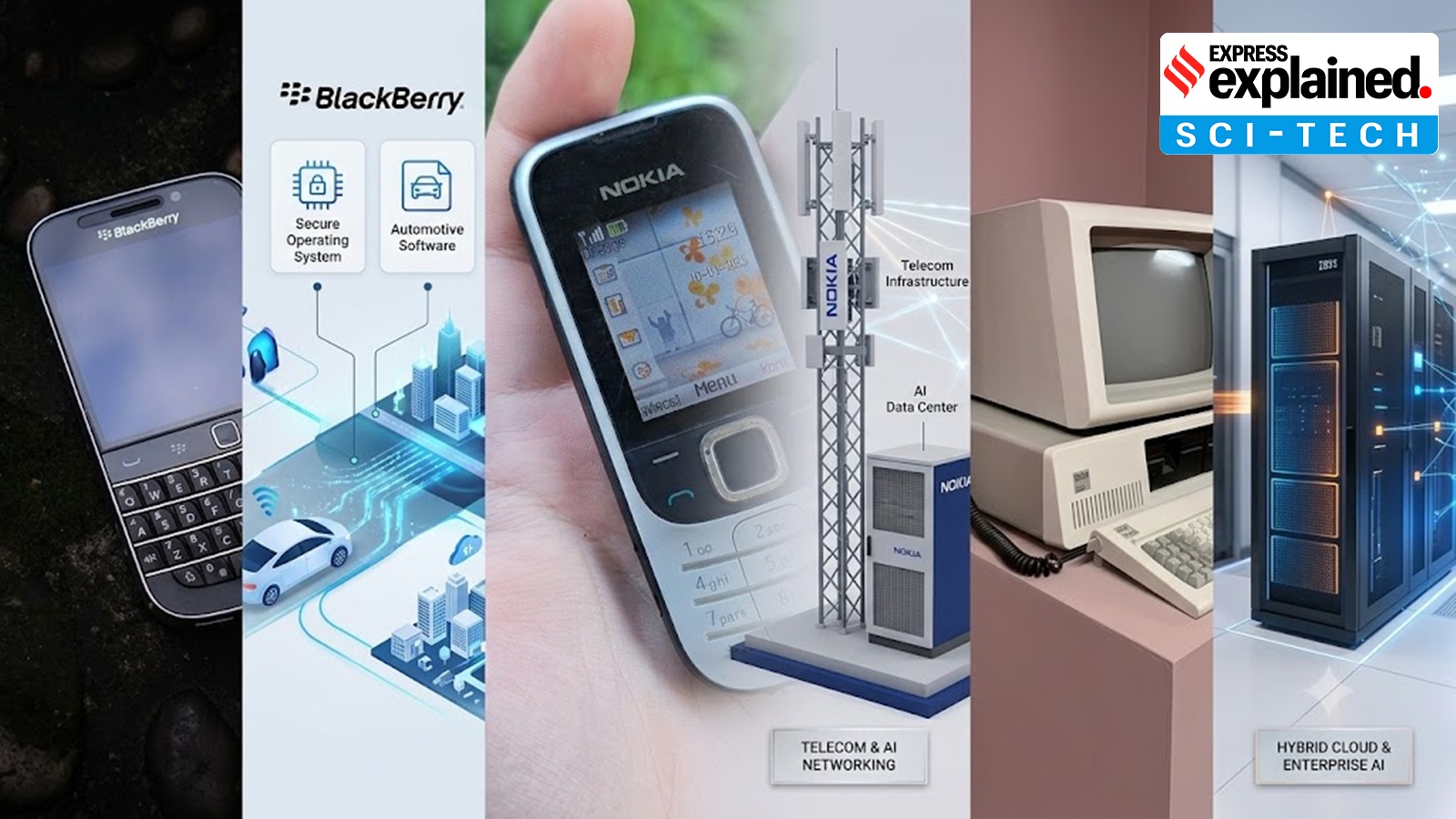
From smartphone kings to infrastructure titans, discover how legendary tech brands pivoted their entire business models to survive the digital revolution.
- Nokia has pivoted from mobile handsets to telecom and AI-ready networking infrastructure.
- BlackBerry successfully transitioned from consumer hardware to enterprise software and automotive OS.
- IBM moved away from the commoditized PC market to lead in Hybrid Cloud and AI.
- Successful reinvention requires leveraging underlying technologies like patents and software.
In the fast-paced world of electronics, brand survival is not about holding onto the past, but about embracing an entirely new identity. Household names like Nokia, IBM, and BlackBerry have mastered the art of the 'pivot'—exiting the very products that made them famous to avoid obsolescence.
The Art of Reinvention
Canadian giant BlackBerry was once the undisputed king of secure mobile messaging. However, the rise of the iPhone and Android ecosystems pushed its handset business to the brink. Instead of fading away, BlackBerry stopped manufacturing phones in 2016 and reinvented itself as a software powerhouse. Today, it focuses on QNX—an operating system embedded in millions of vehicles—and secure communication tools for governments.
Similarly, Nokia, once the face of the mobile revolution, faced a massive struggle during the smartphone era. After selling its handset business to Microsoft, Nokia refocused on what it does best: telecommunications infrastructure. Now, Nokia is positioning itself as a critical supplier for the Artificial Intelligence (AI) boom, providing the high-capacity optical networks required by massive AI data centers.
Corporate turnarounds succeed when companies stop trying to act 'young' and instead leverage their deep-rooted technological assets like patents and networks.
Why This Matters
BozokMedia analysis shows that when consumer hardware becomes 'commoditized'—meaning competition drives prices so low that profit margins vanish—companies must retreat to less visible, high-value technologies. This shift from hardware to software and infrastructure is the difference between bankruptcy and a multi-billion dollar resurgence.
IBM followed a similar strategic blueprint. After helping define the PC era in the 1980s, the company realized that hardware margins were shrinking. By divesting its PC division, IBM successfully transitioned into a leader in Hybrid Cloud, enterprise software, and high-end computing services.
| Company | Original Core Business | Current Strategic Focus |
|---|---|---|
| Nokia | Mobile Handsets | Telecom Infrastructure & AI Networks |
| BlackBerry | Smartphones | Secure Software & Automotive Systems |
| IBM | Personal Computers | Cloud, AI & Enterprise Software |
Frequently Asked Questions
1. Is Nokia still in the mobile phone business?
Nokia primarily focuses on telecommunications infrastructure and networking rather than consumer handsets.
2. How did BlackBerry become profitable again?
By shifting focus from hardware to high-margin enterprise software and embedded systems like QNX.