Ahead of the 18th BRICS Summit in New Delhi, India is set to address critical concerns regarding China's restrictions on high-tech imports and investment barriers faced by Indian firms.
- India plans to flag concerns over Chinese investment restrictions during the BRICS Summit.
- China has imposed curbs on critical tech like battery cells, wafer technology, and HVDC components.
- The Indian government is seeking reciprocity to ease procedural bottlenecks in trade.
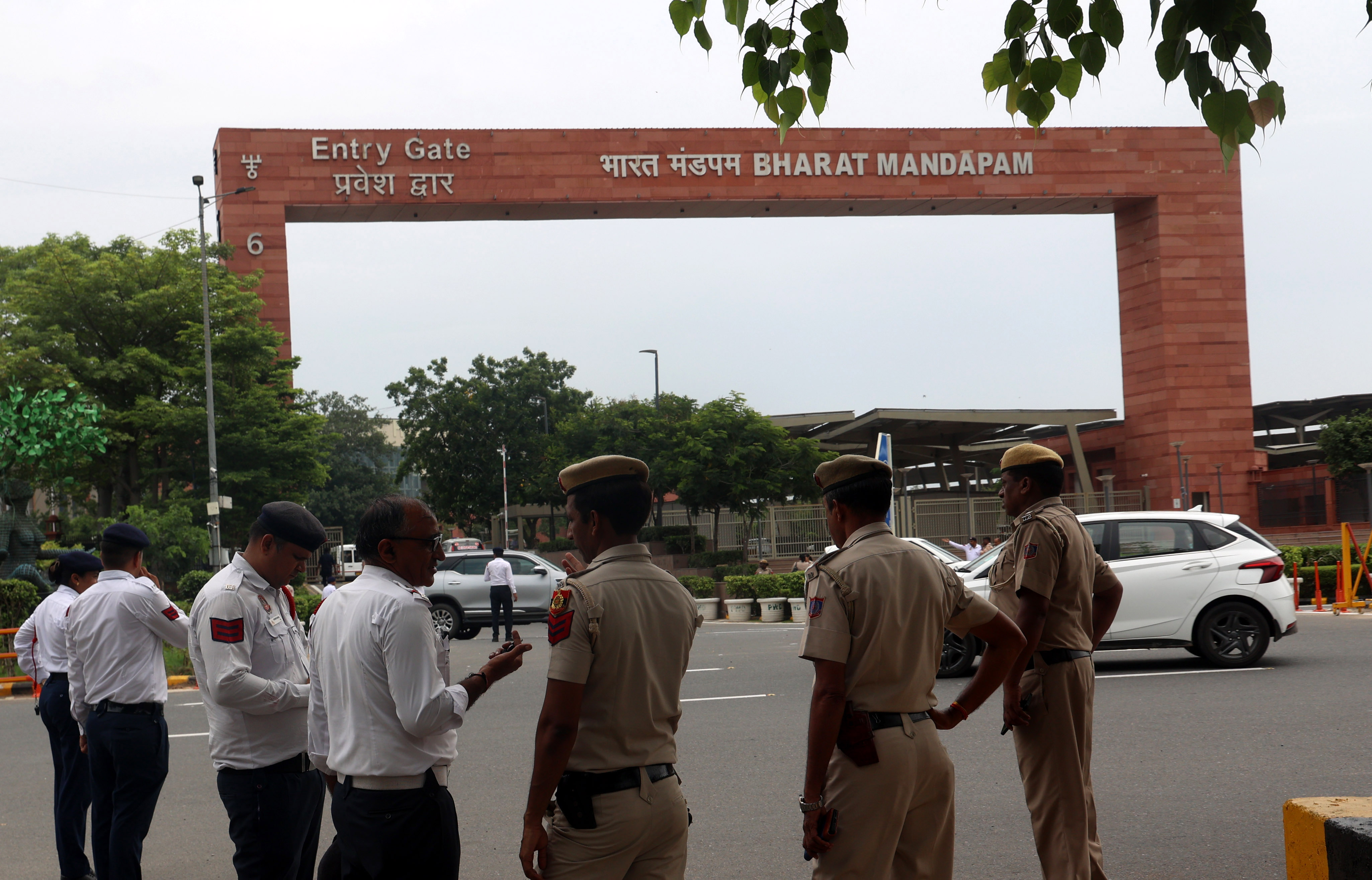
As preparations intensify for the 18th BRICS Summit scheduled for September 12-13 in New Delhi, the diplomatic focus is shifting toward economic friction. Indications suggest that the Indian delegation, led by high-level officials, will use the sidelines of the summit to address long-standing grievances with China regarding investment restrictions and customs roadblocks on high-tech imports.
The Ministry of Commerce and Industry has been actively consulting with Indian industry groups to formulate a strategic response. A major pain point is Beijing's increasing control over the export of critical technologies. Specifically, the restrictions on ingot and wafer technology, battery cells, and High Voltage Direct Current (HVDC) components are posing significant threats to India's domestic manufacturing ambitions.
Why This Matters
BozokMedia analysis shows that these trade restrictions are not merely economic hurdles but strategic maneuvers that could undermine India's transition toward renewable energy and advanced manufacturing. By controlling the supply of essential components, China maintains a significant leverage over global supply chains, particularly in sectors where India is trying to build self-reliance.
China’s restrictions on critical technologies underline the strategic vulnerabilities of global supply chains, posing a direct challenge to India's ambitious energy infrastructure build-out.
The renewable energy sector has been particularly vocal. Industry leaders note that the recent restrictions—imposed mostly over the last 12-15 months—could halt India's backward integration efforts. Without a steady supply of specialized components like HVDC, which are essential for long-distance power transmission and grid stability, India's green energy goals could face significant delays.
Historical Background
Trade relations between India and China have undergone a complex evolution. Following India's withdrawal from the Regional Comprehensive Economic Partnership (RCEP) in 2019, bilateral economic ties have faced scrutiny. While there have been recent signs of a 'thaw'—including the resumption of direct flights and border trade through Nathu La—the underlying tension regarding tech dominance and trade deficits remains a core issue in bilateral discussions.
| Sector | Chinese Export Restriction | Strategic Impact on India |
|---|---|---|
| Renewable Energy | Battery Cells & Wafer Tech | Slowdown in domestic manufacturing |
| Power Transmission | HVDC Components | Risk to grid stability & integration |
| Automotive | Rare Earth Magnets | Supply chain disruptions & delays |
Frequently Asked Questions
1. What specific technologies is India concerned about?
India is primarily concerned about restrictions on battery cells, wafer technology, and components required for High Voltage Direct Current (HVDC) systems.
2. How does this affect the 'Make in India' initiative?
These restrictions hinder the ability of Indian companies to source essential raw materials and components, thereby slowing down domestic manufacturing and backward integration.