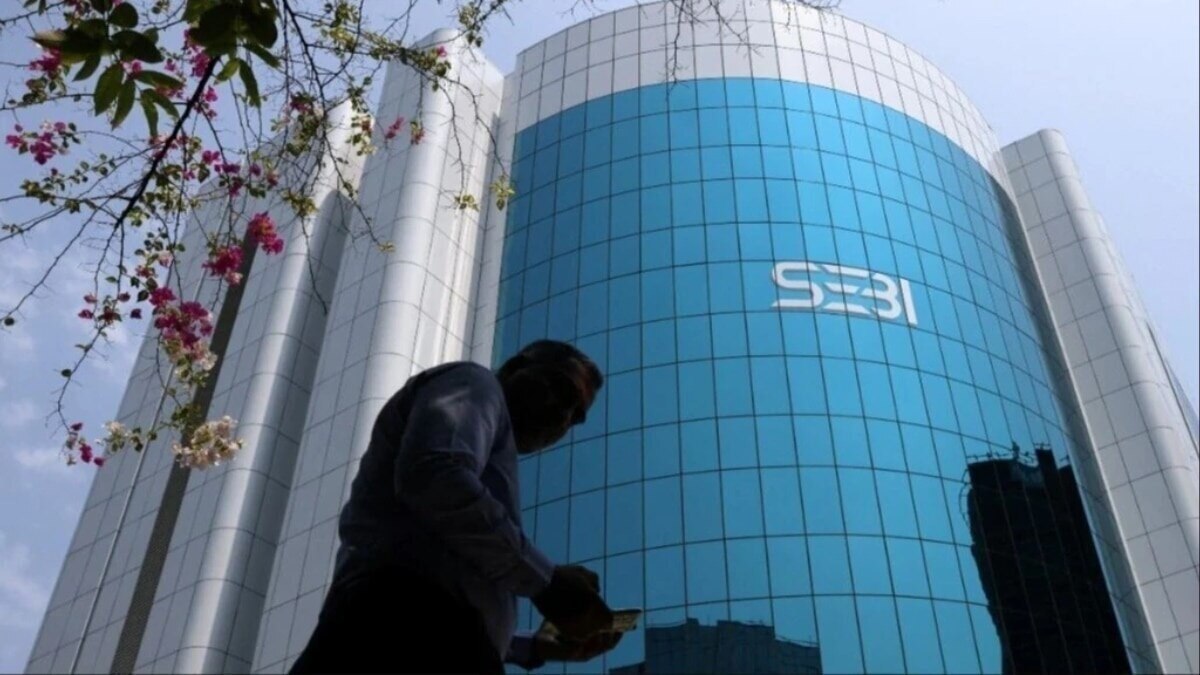
Following SEBI's approval of the NSE IPO papers, market attention shifts to major stakeholders like SBI and GIC Re. The upcoming issue is expected to generate significant wealth for state-run entities.
- SEBI has officially cleared the NSE IPO documents.
- The IPO is expected to launch within this month.
- State-run firms like SBI, IFCI, and GIC Re stand to gain billions in valuation.
The countdown to one of the most anticipated listings in the Indian financial sector has officially begun. The National Stock Exchange (NSE) is set to launch its Initial Public Offering (IPO) following the green signal from the Securities and Exchange Board of India (SEBI). This development has sent ripples through the banking and insurance sectors, particularly among companies holding significant stakes in the exchange.
Major institutional players, including State Bank of India (SBI), IFCI, GIC Re, and Bank of Baroda, are now under the spotlight. Financial analysts suggest that the IPO could deliver a massive windfall of approximately ₹7,200 crore to state-run insurance and banking firms. This influx of capital is expected to significantly bolster the financial positions of these government-backed entities.
Why This Matters
BozokMedia analysis shows that the NSE IPO represents a pivotal moment for India's capital market maturity. As the nation's largest exchange moves toward public listing, it sets a new valuation benchmark for financial infrastructure companies and provides a massive liquidity event for the government and associated institutional holders.
The NSE listing is poised to be a landmark event that reshapes the valuation landscape for financial services in India.
Market sentiment remains bullish, with the Grey Market Premium (GMP) reportedly hitting levels that suggest strong investor interest. According to experts at Equirus, the valuation of NSE might settle below ₹2,000 per share, with a potential price band hovering around the ₹1,800 mark. This makes the offering highly attractive to both institutional and retail investors looking for exposure to market infrastructure.
Historical Background
Since its inception in 1992, the National Stock Exchange has revolutionized trading in India by introducing fully automated, screen-based electronic trading. For decades, it has been the backbone of Indian equity markets, and its transition to a publicly traded entity is a long-awaited milestone in the country's economic evolution.
Frequently Asked Questions
1. When is the NSE IPO expected to open?
With SEBI's recent approval, the issue is likely to open within the current month.
2. Which companies will benefit most from this IPO?
State-run entities like SBI, IFCI, and GIC Re are expected to see substantial gains from their holdings.