Global supply chain disruptions triggered by the West Asia conflict are driving up production costs in Surat. Rising yarn, power, and labor expenses threaten to make festive traditional wear significantly costlier this season.
- The West Asia conflict has destabilized crude oil supplies, impacting LPG availability and labor stability.
- Surat manufacturers are facing a triple squeeze from rising yarn (POY) prices, increased electricity tariffs, and higher labor wages.
- Consumers can expect up to a 30% increase in the cost of traditional festive garments this Diwali.
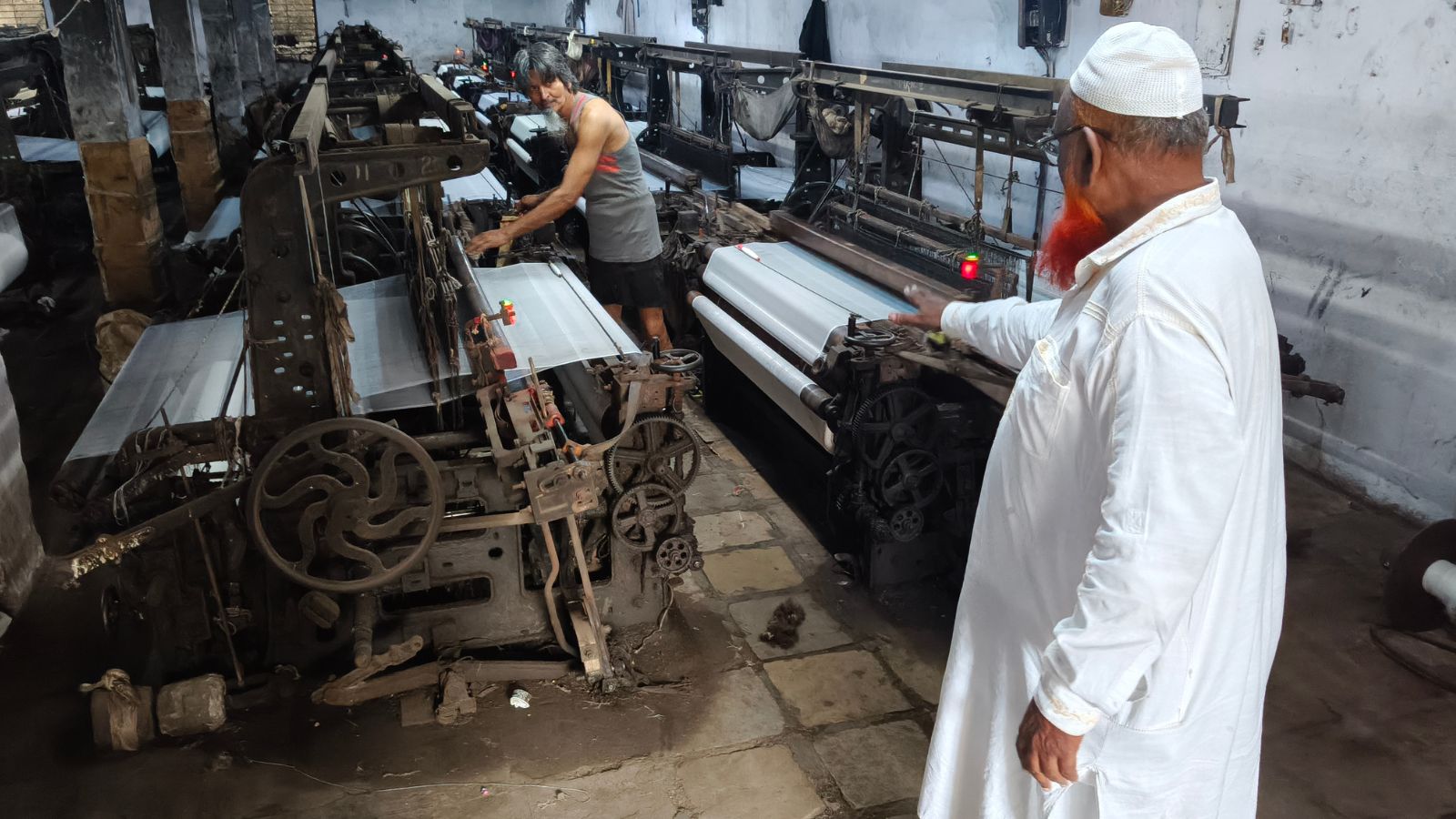
Surat, Gujarat: From the humming powerloom factories in Udhna to the massive dyeing mills across the region, the ripple effects of the West Asia conflict are reaching the heart of India's textile capital. What began as a geopolitical struggle in the Middle East has evolved into a direct economic threat to the festive pockets of Indian consumers. Industry insiders warn that 'Made in Surat' garments could witness a price surge of up to 30% this Diwali.
At the Govind Nagar Industrial Estate, veteran weaver Kesarali Peerzada describes a landscape of rising uncertainty. The disruption in crude oil supplies has led to a shortage of Liquefied Petroleum Gas (LPG), a critical resource for the migrant workforce. This shortage triggered a mass exodus of workers to states like Bihar and Uttar Pradesh, leading to production halts and subsequent demands for higher wages upon their return.
The Triple Threat: Yarn, Power, and Labor
The cost of production is being driven upward by three primary factors. First, the cost of Partially Oriented Yarn (POY) remains stubbornly high at approximately ₹180 per kg, despite a slight easing in global crude oil prices. Manufacturers point toward a lack of regulatory oversight and the influence of market 'cartels' as reasons for this pricing rigidity.
Second, energy costs have spiked significantly. Dakshin Gujarat Vij Company Limited (DGVCL) has implemented tariff hikes, raising electricity rates from ₹7.30 to ₹9.15 per unit. This increase directly impacts the continuous operation required for powerloom units.
The convergence of global supply chain volatility and rising domestic input costs is creating a perfect storm for the textile sector.
Why This Matters
BozokMedia analysis shows that the Surat textile ecosystem is highly sensitive to external shocks. Because the industry operates on thin margins, any increase in raw materials or energy is rapidly passed down the value chain. While traders often resist price hikes to remain competitive, the cumulative pressure from yarn, labor, and power makes a significant retail price increase almost inevitable for the upcoming festive season.
| Cost Factor | Previous Rate/Status | Current Rate/Status |
|---|---|---|
| POY Yarn (per kg) | ₹140 - ₹150 | ₹180 |
| Electricity Tariff (per unit) | ₹7.30 | ₹9.15 |
| Labor Wage (per meter) | ₹1.80 | ₹1.95 |
Frequently Asked Questions
1. What is the main cause of the price hike?
A combination of high yarn prices, increased electricity tariffs, and rising labor costs due to global supply chain disruptions.
2. Will this affect all clothing items?
The impact will be most pronounced in traditional festive wear and synthetic fabrics manufactured in the Surat cluster.