The Indian government aims to increase the share of freight on waterways from 2% to 5% by 2030. Driven by PM Gati Shakti and Jalvahak schemes, this shift seeks to transform consumer logistics.
- Goal to increase waterway freight share from 2% to 5% by 2030.
- PM Gati Shakti and Jalvahak schemes are the primary drivers.
- Transitioning from bulk cargo to consumer-centric logistics.
India is poised for a significant shift in its transportation landscape. While road and rail have traditionally dominated the freight sector, the central government is now aggressively pushing to unlock the potential of Inland Waterways. The strategic objective is to elevate the share of freight transported via waterways from the current approximately 2% to a substantial 5% by the year 2030.
This massive undertaking is being supported by two cornerstone initiatives: the PM Gati Shakti National Master Plan and the Jalvahak scheme. PM Gati Shakti provides the multi-modal connectivity framework required to integrate different modes of transport, while the Jalvahak scheme focuses specifically on the development and optimization of water-based transport corridors.
Why This Matters
BozokMedia analysis shows that reducing logistics costs is critical for India's global competitiveness. Currently, India's logistics costs as a percentage of GDP are higher than those of many developed economies. By shifting more volume to waterways, which are inherently more fuel-efficient and cost-effective for large volumes, India can simultaneously lower business costs and meet its decarbonization commitments.
The development of waterways is not merely about moving goods; it is about building a resilient and sustainable backbone for India's future supply chain.
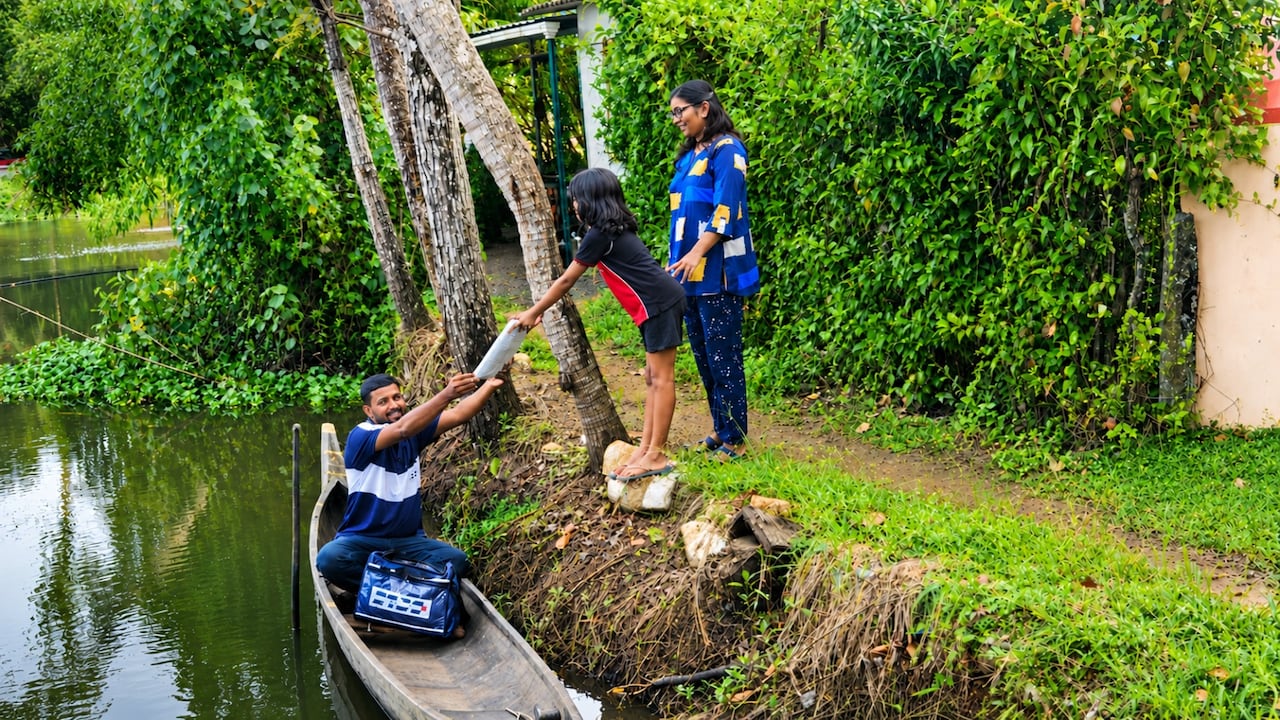
Currently, the use of waterways is predominantly concentrated in bulk cargo, such as coal, ores, and agricultural commodities. However, the next frontier in this evolution is consumer logistics. The goal is to move beyond heavy industry and integrate consumer goods into the waterway network, potentially solving the complex 'last-mile' challenges that plague modern e-commerce and retail distribution.
Historical Background
Historically, India's vast river networks were the lifelines of trade. However, with the rapid expansion of the railway and highway networks during the 20th century, water-based transport took a backseat. The current push represents a modern revival of these ancient trade routes, upgraded with contemporary technology and infrastructure.
Frequently Asked Questions
1. What is the target for waterway freight by 2030?
The target is to increase the share of freight on waterways from 2% to 5%.
2. How do PM Gati Shakti and Jalvahak help?
PM Gati Shakti ensures multi-modal integration, while Jalvahak focuses on the specific development of water transport infrastructure.