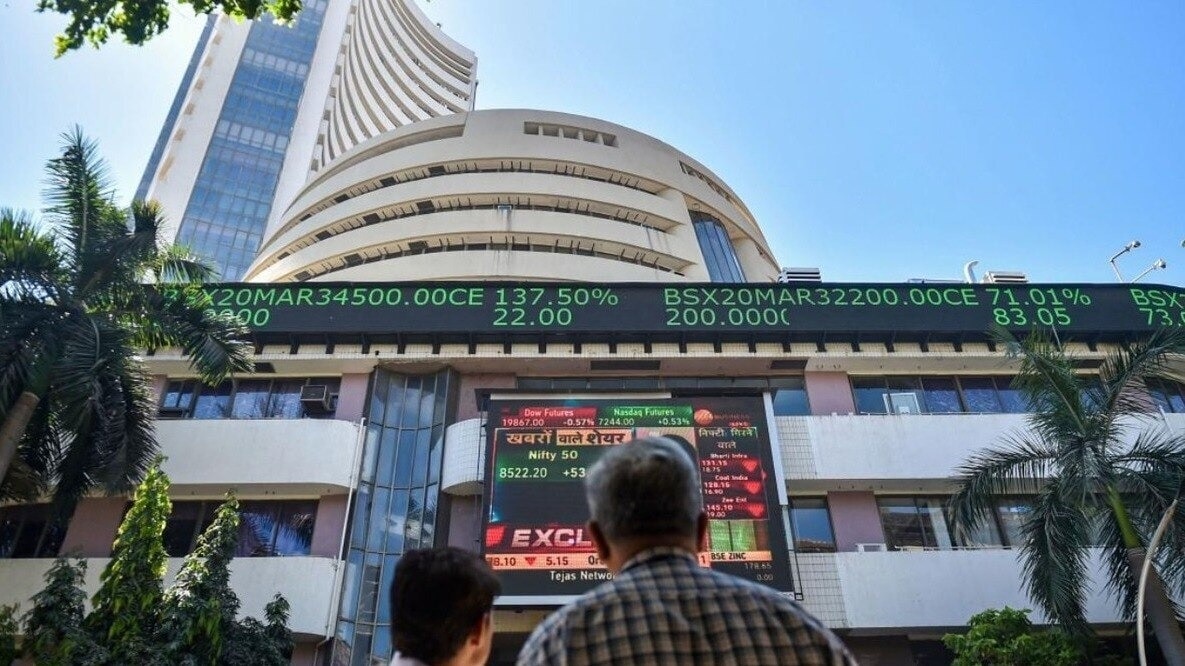
The Indian stock market witnessed a bearish start with the Sensex opening 300 points lower and the Nifty sliding below the critical 23,700 mark. While M&M saw a decline, HDFC Bank emerged as a top gainer.
- Sensex opened with a sharp decline of 300 points.
- Nifty breached the critical psychological support of 23,700.
- M&M shares dropped by 1%, while HDFC Bank surged by 2%.
The Indian equity markets opened on a weak note this morning, reflecting a cautious sentiment among investors. The Sensex and Nifty both started the session in the red, triggered by a combination of global cues and selective profit-booking in heavy-weight stocks.
The automotive sector faced significant pressure, with Mahindra & Mahindra (M&M) shares sliding by 1%. Conversely, the banking sector provided some cushion to the indices, led by HDFC Bank, which saw a positive jump of 2%, preventing a deeper slide in the overall market.
Why This Matters
BozokMedia analysis shows that Nifty slipping below the 23,700 threshold is a critical technical signal. If the index fails to reclaim this level in the short term, it could trigger further sell-offs. The divergence between the banking and auto sectors suggests a rotation of capital rather than a systemic collapse.
"The current market volatility is a reaction to global macroeconomic shifts, but the 23,700 level now acts as a pivotal resistance for Nifty."
Historically, the Indian markets have remained highly susceptible to volatility in global crude oil prices and the monetary policy decisions of the US Federal Reserve. Currently, the trend of Foreign Institutional Investors (FIIs) offloading portfolios is adding to the downward pressure.
| Stock/Index | Change (%) | Status |
|---|---|---|
| Sensex | -300 Points | Down |
| Nifty | < 23,700 | Down |
| HDFC Bank | +2% | Up |
| M&M | -1% | Down |
Frequently Asked Questions
1. Why is the 23,700 level significant for Nifty?
It serves as a psychological and technical support level; breaking below it often indicates a bearish trend.
2. What factors are driving the current market decline?
Global market instability, FII outflows, and sector-specific profit-booking are the primary drivers.