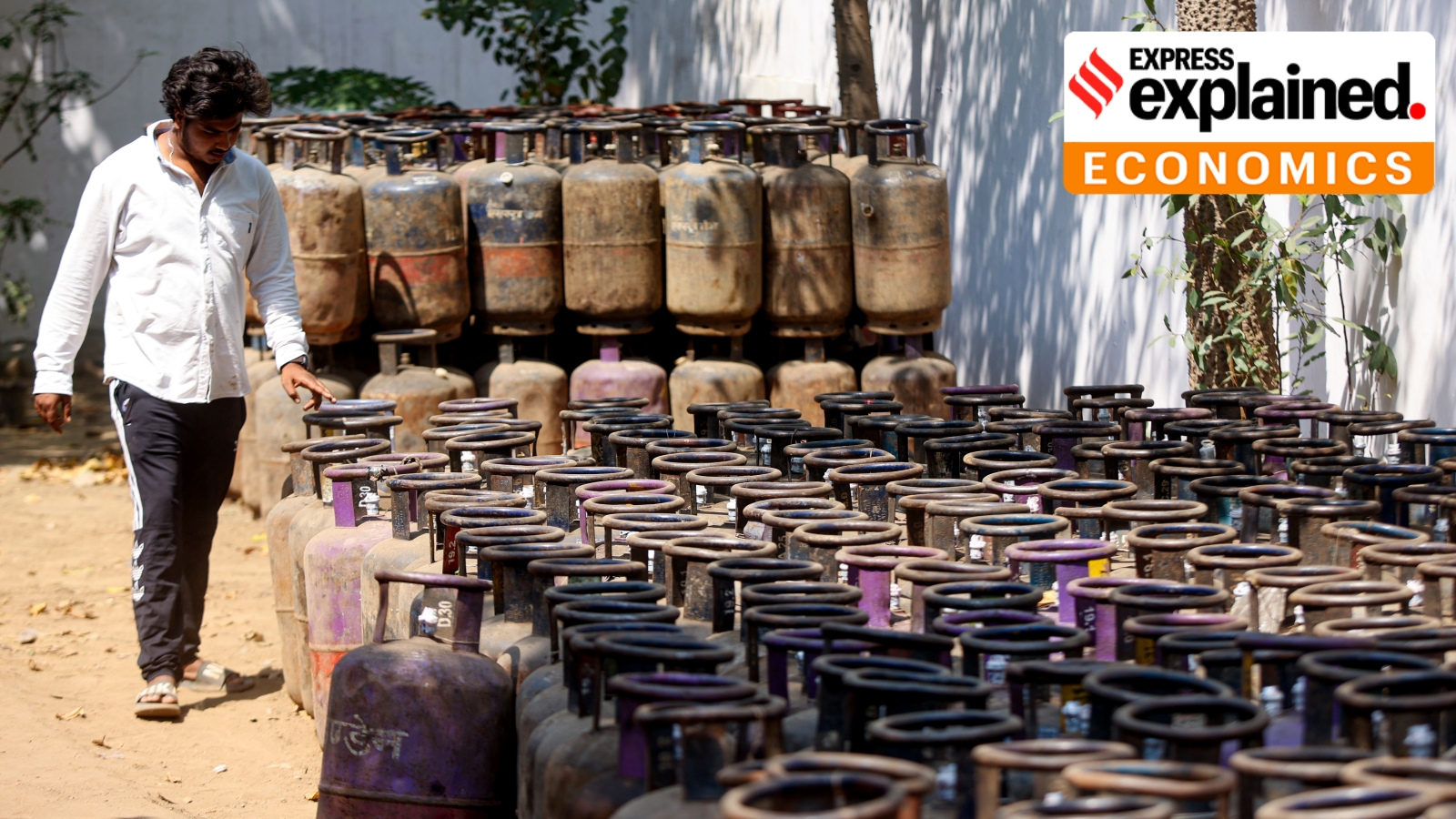
Geopolitical turmoil in West Asia and the closure of the Strait of Hormuz have pushed India to pivot toward the US for LPG, with imports jumping from under 10% to over 50% in six months.
- US LPG share in India's import basket surged to 53% in the March-August period.
- The conflict in West Asia effectively choked the Strait of Hormuz, a critical energy artery.
- Traditional Gulf suppliers like UAE and Qatar saw their market share crash significantly.
- India is now planning long-term diversification via annual US contracts for 2027.
The geopolitical landscape of West Asia has triggered a seismic shift in India's energy procurement strategy. According to an analysis of LPG shipping data, the United States has emerged as India's primary source of Liquefied Petroleum Gas (LPG), capturing over 50% of the import share in just six months. This is a staggering increase from the preceding period (September 2025-February 2026), where the US contributed less than 10% of the total volume.
The catalyst for this shift was the West Asia war, initiated by US and Israeli strikes on Iran in late February. This conflict resulted in the effective closure of the Strait of Hormuz, a narrow but vital waterway connecting the Persian Gulf to the Arabian Sea. Given that this chokepoint handles a fifth of global oil and LNG flows, its disruption left India scrambling for alternatives to prevent a domestic energy crisis.
Data Breakdown: The Collapse of Gulf Dominance
Data from commodity analytics firm Kpler reveals that while India's overall LPG imports dropped by 43.1% (to 7.14 million tonnes) due to supply constraints, imports from the US surged by 281.1% to 3.78 million tonnes.
| Supplier Country | Previous Share (Sep-Feb) | Current Share (Mar-Aug) |
|---|---|---|
| United States | 7.9% | 53% |
| UAE | 37.8% | 13.4% |
| Qatar | 21.1% | 5.7% |
| Saudi Arabia | 14.1% | 5.9% |
Why This Matters
BozokMedia analysis shows that India's extreme dependence on a single geographic corridor—the Strait of Hormuz—creates a systemic vulnerability. With 90% of its LPG traditionally flowing through this route, any regional conflict directly threatens the kitchens of millions of Indian households. The pivot to the US is not merely a tactical response to a shortage but a strategic move toward 'energy diversification' to mitigate future geopolitical risks.
"Washington has been the biggest LPG exporter worldwide even before the crisis, and US propane was already cheaper than Asian supplies before the war." - Natalia Katona, Energy Analyst.
Looking ahead, the Indian government is reportedly urging state-owned firms like Indian Oil, BPCL, and HPCL to secure at least 15% of next year's LPG imports through annual deals with the US. This move is expected to serve a dual purpose: ensuring a steady fuel supply and leveraging energy purchases to gain leverage in broader US-India trade negotiations.
Frequently Asked Questions
1. Why did India switch to the US for LPG?
The war in West Asia blocked the Strait of Hormuz, cutting off 90% of India's traditional LPG route, leaving the US as the most viable alternative.
2. Will this lead to higher LPG prices for consumers?
While shipping from the US is more expensive due to distance, the government's priority has been to maintain supply levels for households over commercial users to avoid domestic unrest.