The Indian rupee hit a new low of 94.95 against the US dollar as escalating US-Iran conflicts drove Brent crude prices toward the $100 mark, triggering volatility in domestic equity markets.
- Rupee depreciated by 21 paise to reach 94.95 against the USD.
- Brent crude surged to $99.30 per barrel, nearing the critical $100 threshold.
- Geopolitical friction between the US and Iran is the primary driver of volatility.
- Sensex plunged over 500 points in early trade.
The Indian rupee opened on a weak note at the interbank foreign exchange market on Wednesday (September 9, 2026), eventually touching 94.95. This represents a sharp decline of 21 paise from the previous close, reflecting the immediate impact of escalating global instability.
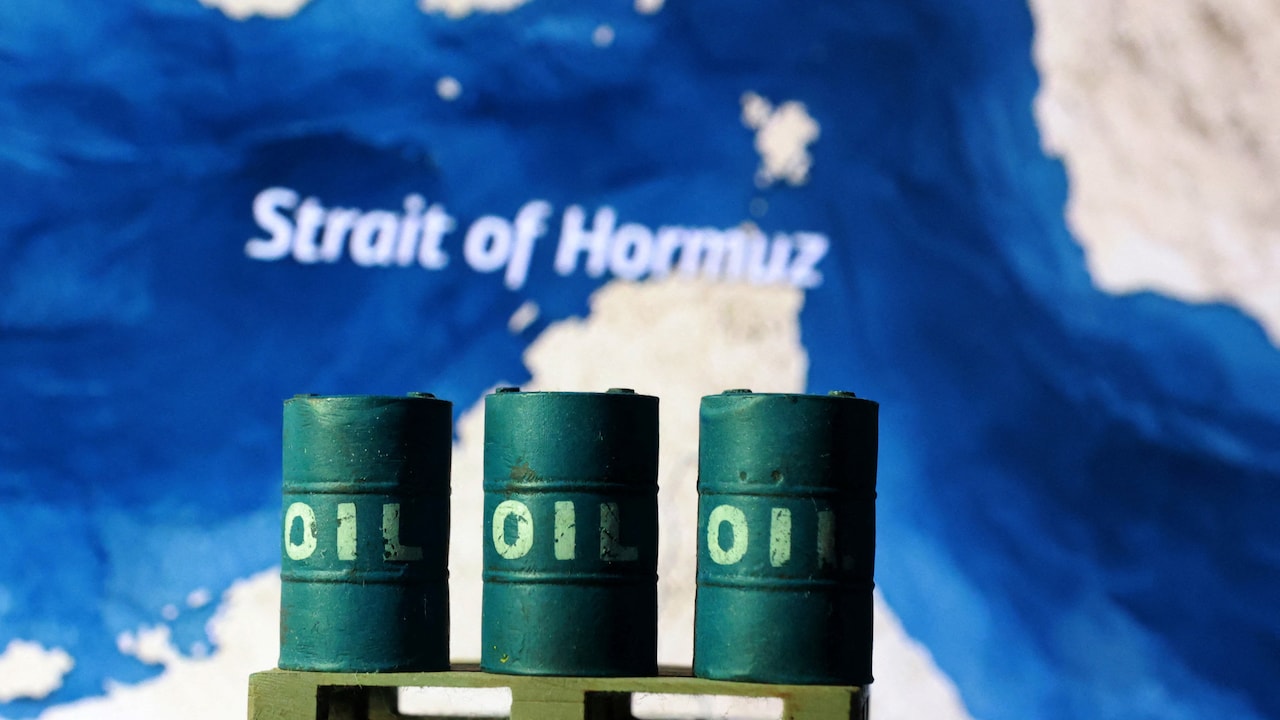
The primary catalyst for this depreciation is the surge in crude oil prices, fueled by simmering tensions between the United States and Iran. Brent crude, the global benchmark, climbed 1.41% to $99.30 per barrel. Market participants are particularly concerned about potential disruptions to oil flows through the Strait of Hormuz, which could propel prices beyond the psychological $100-a-barrel mark.
Why This Matters
BozokMedia analysis shows that India's heavy reliance on energy imports makes the rupee exceptionally vulnerable to oil price shocks. An increase in crude prices widens the trade deficit and puts immense pressure on the Reserve Bank of India (RBI) to manage currency volatility to prevent imported inflation.
"The local currency is expected to trade with a negative bias on rising crude oil prices and escalating geopolitical tensions." - Anuj Choudhary, Research Analyst, Mirae Asset Sharekhan.
The turmoil extended to the domestic equity markets. The Sensex tanked 500.25 points to 75,060.61, while the Nifty declined by 129.40 points to 23,506.10. This sell-off was further compounded by Foreign Institutional Investors (FIIs), who offloaded equities worth ₹123.19 crore on a net basis on Tuesday.
Interestingly, a slightly weaker US Dollar Index, which traded at 98.76 (down 0.03%), provided a marginal cushion, preventing a more drastic freefall of the rupee. Investors are now closely monitoring upcoming inflation data from both the US and India to gauge future interest rate trajectories.
| Metric | Tuesday Close | Wednesday Early Trade |
|---|---|---|
| USD/INR Rate | 94.74 | 94.95 |
| Brent Crude | ~$98 | $99.30 |
| Sensex Movement | Stable | -500.25 pts |
Frequently Asked Questions
1. Why did the rupee fall despite a weaker dollar index?
The rupee's fall was driven by external shocks—specifically rising oil prices and geopolitical risk—which outweighed the slight weakness of the US dollar.
2. What is the expected trading range for USDINR?
Analysts expect the spot price to trade within a range of ₹94.70 to ₹95.15 in the short term.