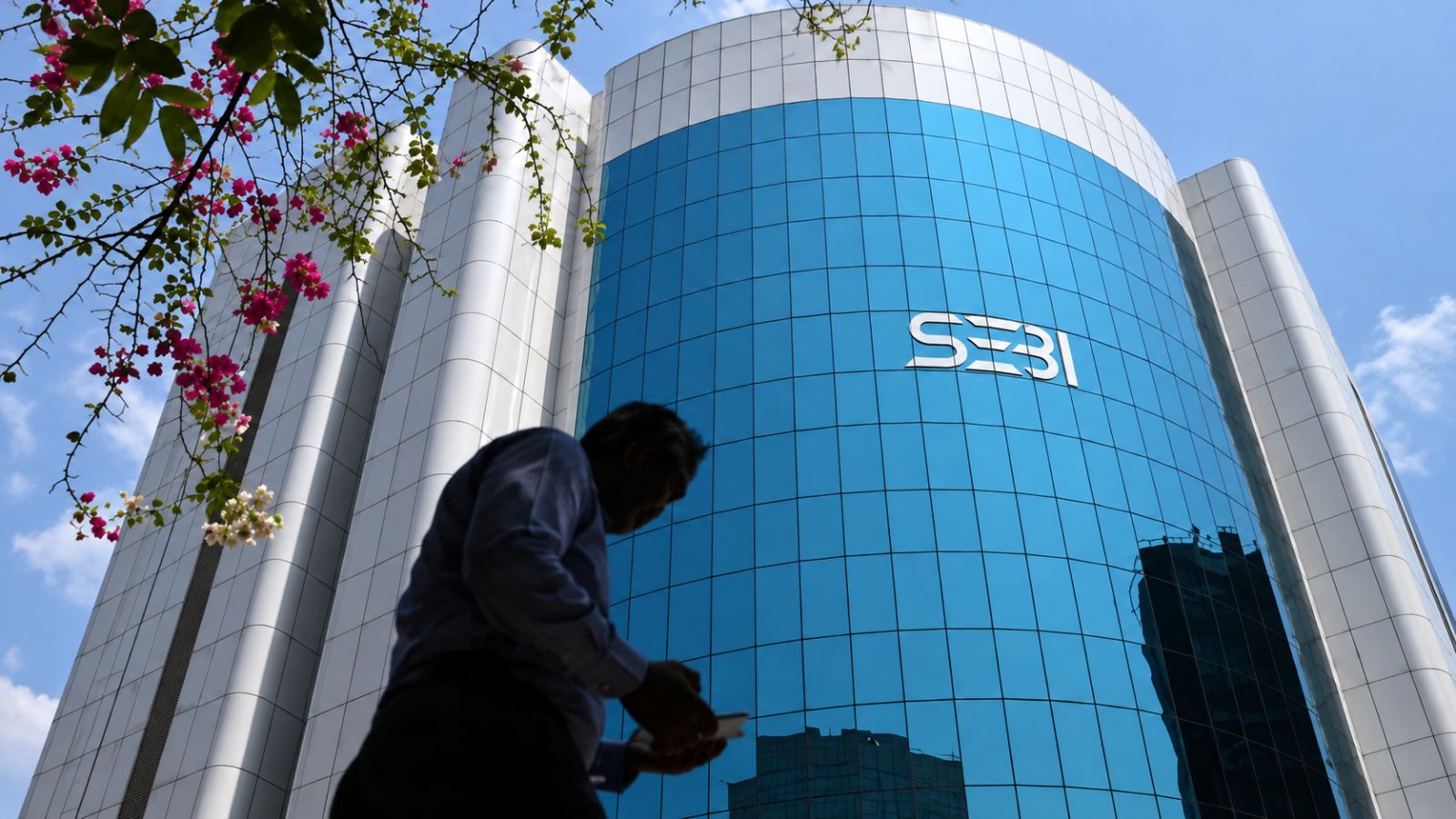
The Securities and Exchange Board of India (SEBI) has revoked the ban on JPMorgan's unit, Copthall, and broker Mansi, following allegations of index manipulation. However, restrictions on the Client Account Segment (CAS) remain in place.
- SEBI has lifted the ban on JPMorgan's unit, Copthall, and brokerage firm Mansi.
- The action follows an investigation into alleged manipulation of indices.
- Restrictions on the Client Account Segment (CAS) continue to be enforced.
In a significant regulatory development, the Securities and Exchange Board of India (SEBI) has decided to lift the ban imposed on Copthall, a unit of the global banking giant JPMorgan, and the brokerage firm Mansi. This decision comes after a period of intense scrutiny regarding charges of index manipulation that had previously restricted their operational capacities within the Indian capital markets.
The case centered around allegations that the entities had engaged in activities designed to artificially influence market indices, potentially misleading investors and disrupting the fair price discovery mechanism. SEBI's investigation was part of a broader effort to maintain market integrity and ensure that institutional players adhere to the highest standards of transparency.
Why This Matters
BozokMedia analysis shows that this move signals a nuanced approach by SEBI—balancing the need for strict enforcement with the practicalities of institutional operations. By lifting the general ban while keeping CAS (Client Account Segment) restrictions, SEBI is effectively keeping the entities on a 'probationary' leash, ensuring that while they can operate, their ability to handle specific client account structures remains under tight surveillance.
This case is not an isolated incident but part of a larger trend where Indian regulators are increasingly scrutinizing Wall Street firms. Recent probes involving Jane Street and other global hedge funds indicate that SEBI is no longer hesitant to challenge the practices of the world's most powerful financial institutions to protect the domestic retail investor base.
"The partial lifting of restrictions suggests that the entities may have provided sufficient compliance assurances, but the retention of CAS restrictions indicates that the regulator is not yet fully satisfied with the systemic safeguards in place."
Historically, SEBI has evolved from a reactive regulator to a proactive one. The shift toward algorithmic trading and high-frequency trading (HFT) has forced the regulator to implement more sophisticated surveillance tools, making it harder for institutional units to manipulate indices without detection.
Frequently Asked Questions
Q1: Does this mean JPMorgan's unit is completely cleared of all charges?
No, the lifting of the ban does not imply a full exoneration; specifically, the CAS restrictions remain, indicating ongoing regulatory oversight.
Q2: What is the Client Account Segment (CAS)?
The CAS is a specific segment used for managing client funds and securities, and restrictions here limit how the firm can interact with client assets.