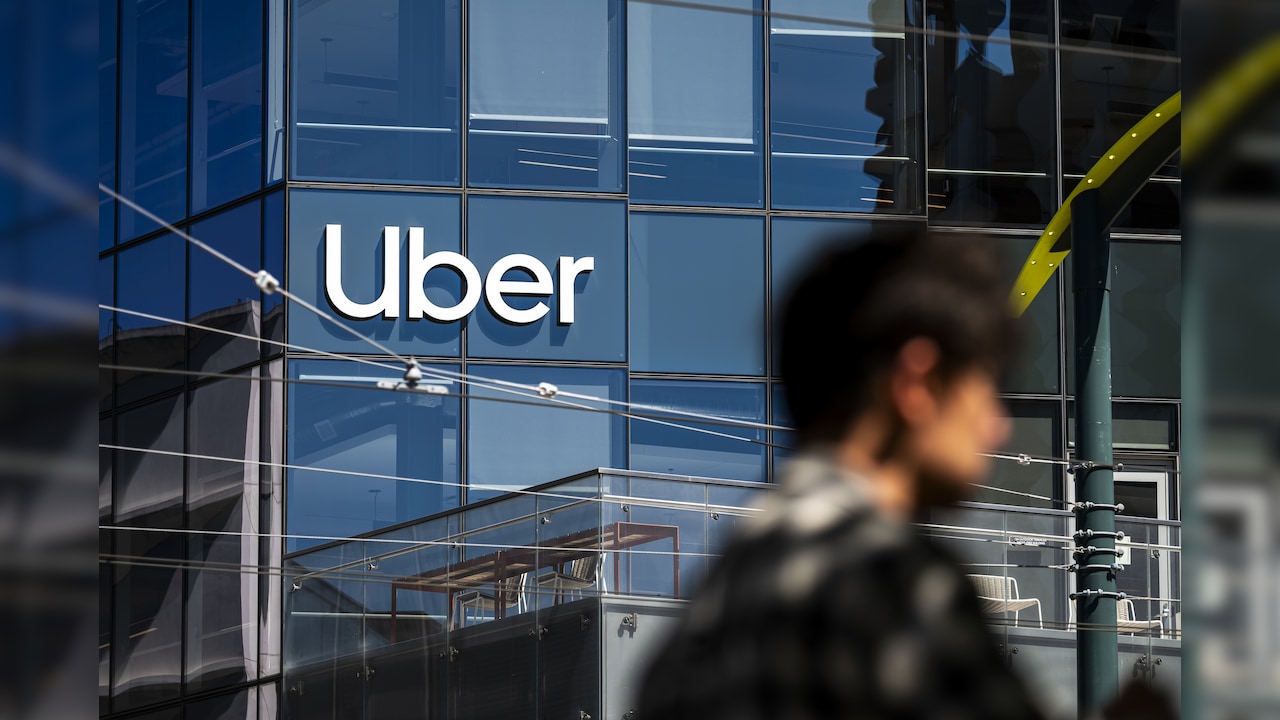
Despite continued business growth, Uber is forcing employees back to the office. CEO Dara Khosrowshahi argues that face-to-face collaboration is essential for problem-solving.
- Uber has implemented a crackdown on remote work policies.
- The move follows the layoff of 3,300 employees.
- CEO Dara Khosrowshahi emphasizes the superiority of in-person collaboration.
In a strategic shift toward traditional corporate structures, Uber has announced a significant crackdown on its work-from-home (WFH) arrangements. This policy pivot comes on the heels of a massive restructuring effort that saw the company eliminate 3,300 positions. The decision has sent ripples through the remaining workforce, who are now facing stricter mandates to return to physical office locations.
CEO Dara Khosrowshahi has been vocal about the rationale behind this decision. He asserts that teams are significantly more effective at collaborating and solving complex problems when they interact face-to-face. According to Khosrowshahi, the spontaneous interaction found in an office environment is irreplaceable by digital tools like Zoom or Slack.
Why This Matters
BozokMedia analysis shows that Uber is mirroring a broader trend across Silicon Valley, where the 'Great Remote Experiment' of the pandemic era is being dismantled. By enforcing a return-to-office (RTO) mandate, Uber is attempting to tighten operational control and accelerate the pace of innovation. The fact that these cuts and restrictions are happening while the business is growing suggests a shift from 'growth at all costs' to 'efficiency and discipline'.
"The shift back to the office is often a silent tool for attrition, allowing companies to reduce headcount without formal layoffs."
Historically, Uber has been known for its aggressive corporate culture and rapid scaling. During the COVID-19 pandemic, like most of the tech sector, it pivoted to a remote-first approach. However, the current management believes that the lack of physical presence has eroded the company's internal cohesion and creative synergy.
| Metric | Remote Work (WFH) | Office Work (RTO) |
|---|---|---|
| Collaboration | Asynchronous/Digital | Synchronous/Direct |
| Employee Flexibility | High | Low |
| Management Oversight | Indirect | Direct |
Frequently Asked Questions
Q1: Is Uber struggling financially?
No, the underlying business continues to grow; the job cuts are part of a strategic realignment for efficiency.
Q2: What is the primary reason for the WFH crackdown?
The CEO believes face-to-face interaction leads to more effective problem-solving and team collaboration.