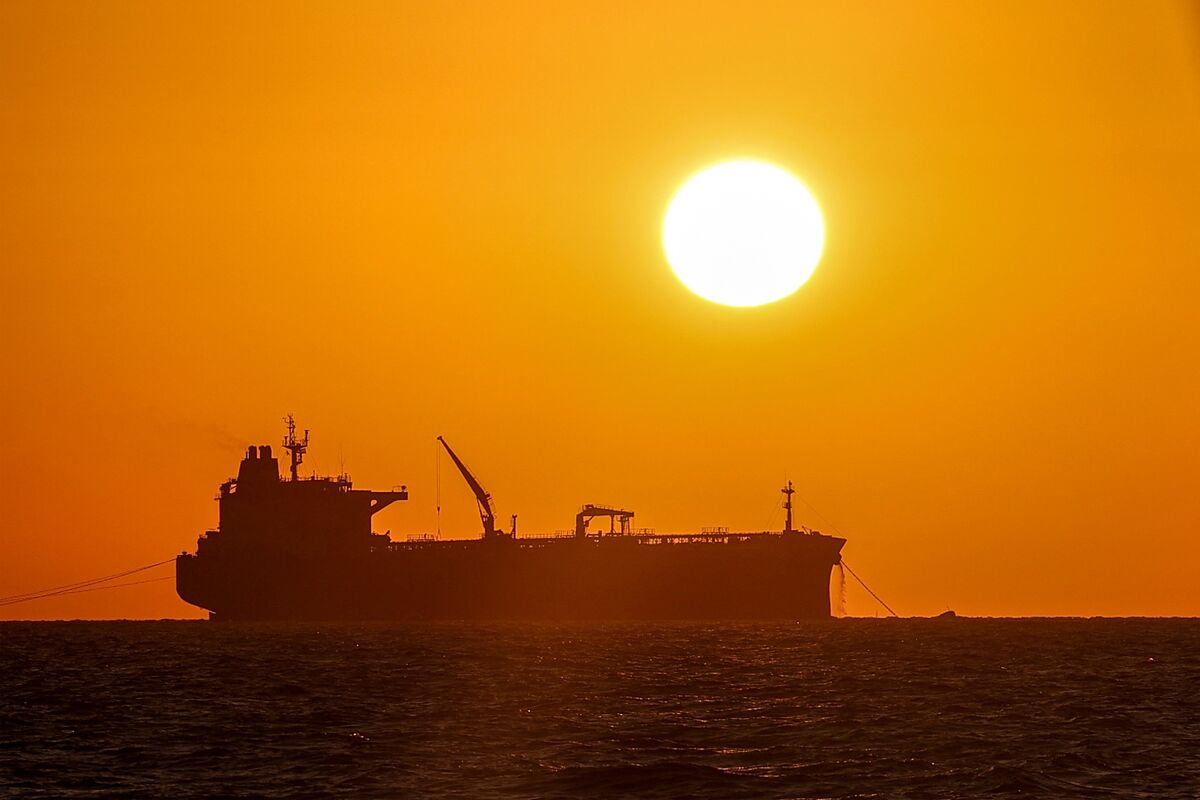
Brent crude oil has breached the critical $100 per barrel mark as the conflict between the U.S. and Iran intensifies. Analysts warn that supply disruptions could lead to sustained higher fuel costs globally.
- Brent crude oil prices have surged past the psychological threshold of $100 per barrel.
- Escalating military tensions between the U.S. and Iran are threatening global oil supply chains.
- Wall Street and UBS analysts suggest the current oil shock may persist for a significant period.
The global energy market is experiencing a period of intense volatility as Brent crude oil prices have climbed and pinned themselves above the $100 per barrel mark. This surge is directly linked to the worsening geopolitical conflict between the United States and Iran, which has created a climate of uncertainty across commodity markets.
Market data indicates that the rally is being driven by fears of deeper supply disruptions. With reciprocal attacks and heightened military readiness in the region, traders are pricing in a significant risk of outages in key oil-producing corridors, pushing prices to levels not seen in recent periods.
Why This Matters
BozokMedia analysis shows that oil crossing the $100 threshold acts as a catalyst for global inflation. Higher energy costs inevitably trickle down to the cost of logistics and manufacturing, increasing the price of consumer goods. Wall Street has reportedly "thrown in the towel" regarding a quick resolution to this shock, suggesting that the market must prepare for a prolonged period of high prices.
"Brent topping 100 is a milestone, not a turning point; it reflects a structural risk rather than a temporary spike."
According to reports from UBS, the current pricing reflects a new reality of geopolitical instability. Furthermore, Investopedia has highlighted that consumers should expect pricier gas 'for some time,' as the market absorbs the shock of potential supply losses from the Middle East.
Historically, the energy market has always been sensitive to Middle Eastern instability. From the 1973 oil embargo to more recent tensions, any disruption in the Strait of Hormuz—a critical chokepoint for oil—can lead to rapid price spikes and economic instability in importing nations.
| Factor | Low Price Impact | $100+ Price Impact |
|---|---|---|
| Fuel Costs | Stable/Low | Rapid Increase |
| Inflation | Controlled | High Risk |
| Supply Chain | Smooth | Highly Volatile |
Frequently Asked Questions
1. Why is Brent crude oil increasing in price?
The primary driver is the escalating conflict between the U.S. and Iran, which threatens the stable flow of oil to global markets.
2. Will gas prices remain high?
Analysts believe that as long as geopolitical tensions persist, fuel prices are likely to remain elevated due to the risk of supply shortages.