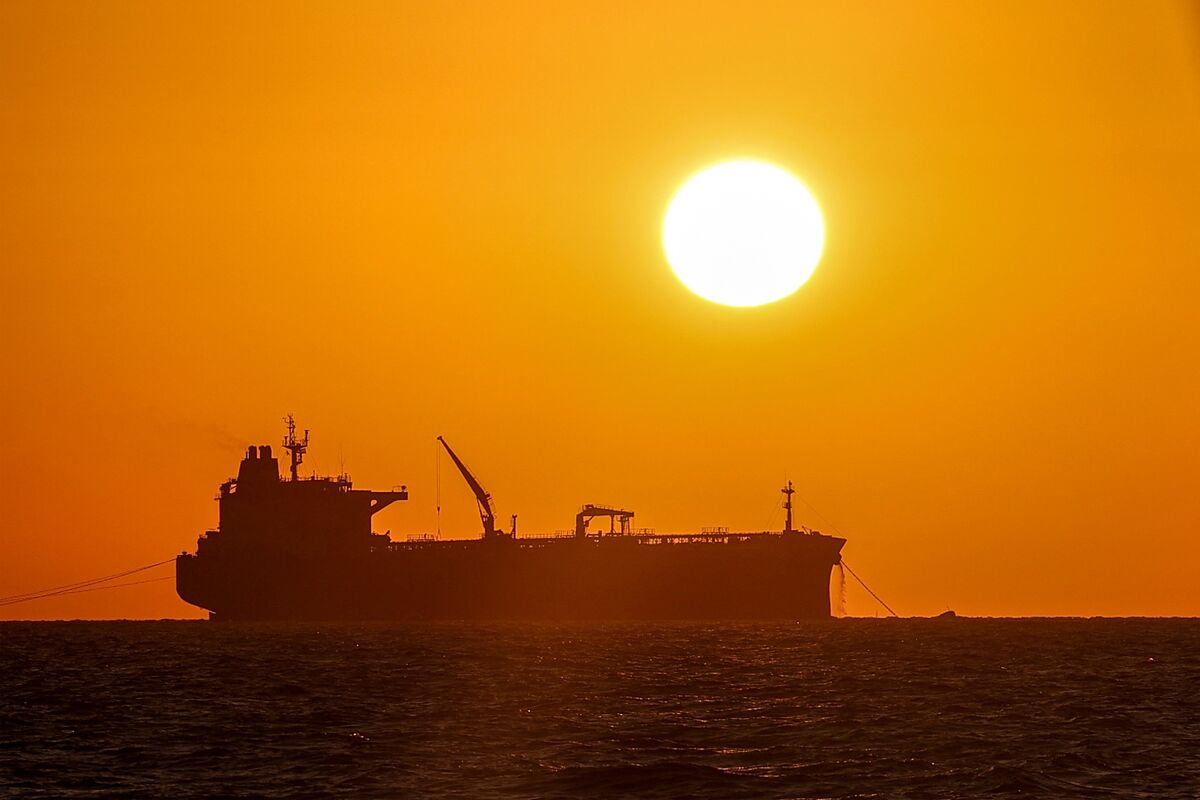
Record-breaking tanker freight rates are exposing severe vulnerabilities in the global oil market as conflicts in the Persian Gulf force costly logistical workarounds.
- Supertanker earnings on the Middle East-to-China route have hit nearly $800,000 per day.
- US Gulf to Asia charter fees have reached a record lump-sum of $29.5 million.
- Ongoing conflicts in the Persian Gulf are driving extreme volatility in shipping logistics.
Global tanker freight rates are currently surging to unprecedented levels, with no immediate signs of relief. This spike serves as a critical indicator of the growing strain within global oil markets. As traders, shipowners, and producers grapple with a prolonged conflict in the Persian Gulf, the industry is being forced into increasingly complex and expensive workarounds.
The logistics of oil transport have become a high-stakes game of risk management. With primary shipping lanes under threat, vessels are often rerouted, increasing transit times and operational overheads. This logistical bottleneck is creating a ripple effect across the entire energy value chain.
Why This Matters
BozokMedia analysis shows that these record rates are not merely a windfall for shipowners but a symptom of systemic fragility. When transport costs climb to nearly $15 per barrel—excluding war risk premiums—the cost of energy inflation is passed directly to the global consumer. This threatens to destabilize inflation targets in major economies.
"The current surge in freight rates highlights that energy security is no longer just about production volume, but about the viability of secure transit corridors."
The financial scale of this surge is staggering. Supertankers on the benchmark Middle East-to-China route are earning nearly $800,000 daily. Furthermore, for the US Gulf to Asia run, very large crude carriers (VLCCs) are commanding record lump-sum fees of $29.5 million.
| Route | Current Rate/Status | Market Impact |
|---|---|---|
| Middle East to China | ~$800,000 / Day | Extreme Cost Pressure |
| US Gulf to Asia | $29.5 Million (Lump-sum) | Supply Chain Strain |
Historical Background: The Persian Gulf has historically been the world's most volatile energy chokepoint. From the 1973 oil embargo to the Tanker War of the 1980s, any disruption in this region has historically triggered global economic shocks. The current crisis mirrors these historical patterns but is compounded by modern geopolitical alliances and the global shift toward energy transition.
Frequently Asked Questions
Q1: Why are tanker rates increasing so rapidly?
A: Due to conflict in the Persian Gulf, ships must take longer, riskier routes, reducing the available supply of vessels and driving up prices.
Q2: Will this lead to higher gas prices?
A: Yes, increased transportation costs typically lead to higher landed costs for crude oil, which can increase retail fuel prices.