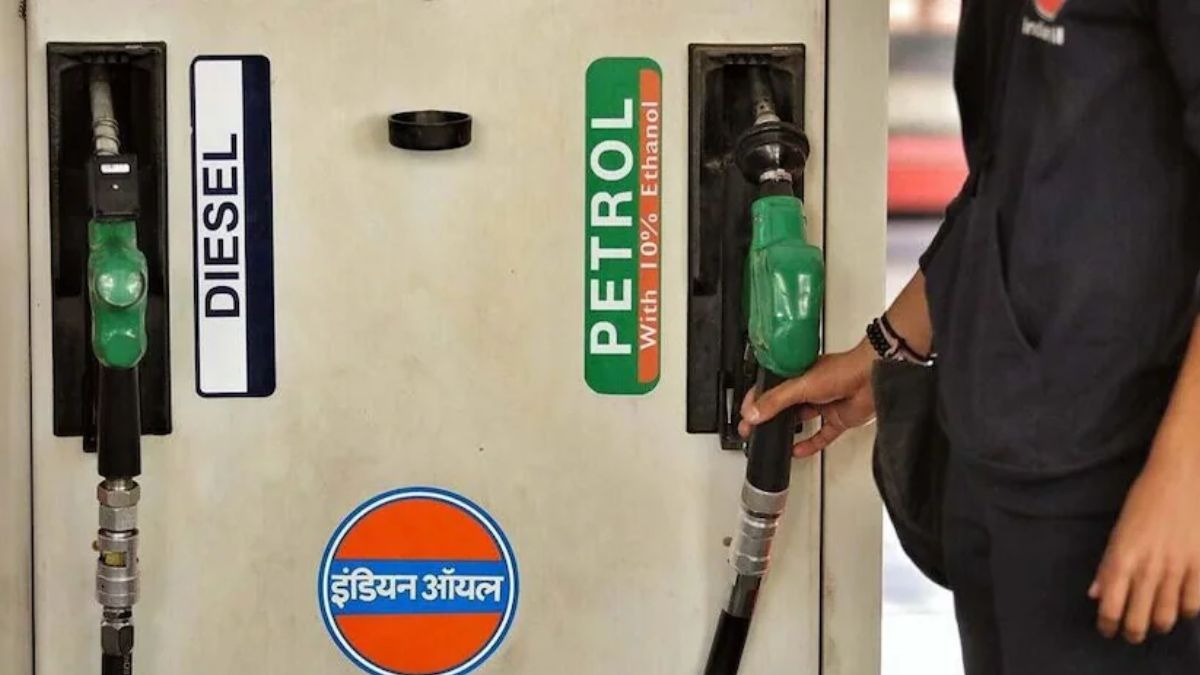
A sharp spike in international Brent Crude prices above $100 per barrel has put severe pressure on Indian state-run oil marketing companies. With significant losses per liter on fuel sales, the likelihood of retail price hikes is increasing.
- Brent Crude oil prices surged past the $100 per barrel mark.
- State-run companies facing losses of ₹5/L on petrol and ₹23/L on diesel.
- India imports over 88% of its crude oil requirements.
- Geopolitical tensions between USA and Iran driving global volatility.
The sudden surge in international crude oil prices has triggered a financial alarm for India's state-run Oil Marketing Companies (OMCs). Brent Crude has once again breached the psychological barrier of $100 per barrel, directly impacting import bills and eroding the marketing margins of these companies.
According to analysis by the credit rating agency ICRA, based on average prices for September, the marketing margin for petrol is currently negative by approximately ₹5 per liter. The situation is far more critical for diesel, where companies are incurring a loss of nearly ₹23 per liter. Additionally, there is an under-recovery of about ₹200 per cylinder on domestic LPG.
Drivers of the Price Surge
The primary catalyst for this price hike is the intensifying geopolitical friction in West Asia, specifically between the United States and Iran. Recent retaliatory firing and heightened tensions have sparked fears of supply disruptions. Consequently, Brent Crude rose by 2.5%, while West Texas Intermediate (WTI) climbed by approximately 2% to around $95 per barrel.
"The return of Brent Crude to the $100 mark is driven by geopolitical instability and supply concerns rather than a surge in global demand."
Why This Matters
BozokMedia analysis shows that India's heavy reliance on energy imports makes its economy highly vulnerable to external shocks. When crude prices rise, it doesn't just affect the bottom line of OMCs; it widens the Current Account Deficit (CAD) and puts downward pressure on the Indian Rupee. This eventually leads to cost-push inflation across sectors like logistics, FMCG, and agriculture.
Data from the Petroleum Planning and Analysis Cell (PPAC) reveals a stark increase in the import bill. Between April and July, the bill surged by over 56% to $63.4 billion, compared to $40.5 billion in the same period last year. The Indian Crude Basket average price reached as high as $108.91 per barrel on September 8.
| Parameter | Previous Average | Current Status |
|---|---|---|
| Brent Crude Price | $80-$90 | $100+ |
| Import Bill (Apr-Jul) | $40.5 Billion | $63.4 Billion |
| Diesel Margin | Positive/Stable | -₹23 per liter |
The government now faces a dilemma. It can either allow OMCs to absorb the losses, potentially affecting their financial health, or reduce excise duties to shield consumers. However, if prices remain elevated, a gradual pass-through of costs to retail consumers becomes inevitable.
Frequently Asked Questions
Q1: Will petrol and diesel prices increase immediately?
While retail prices have remained stable for three months, a prolonged stay of crude above $100 may force a price revision.
Q2: Why are oil companies losing money?
Losses occur when the international procurement cost exceeds the fixed retail selling price, creating a 'negative marketing margin'.