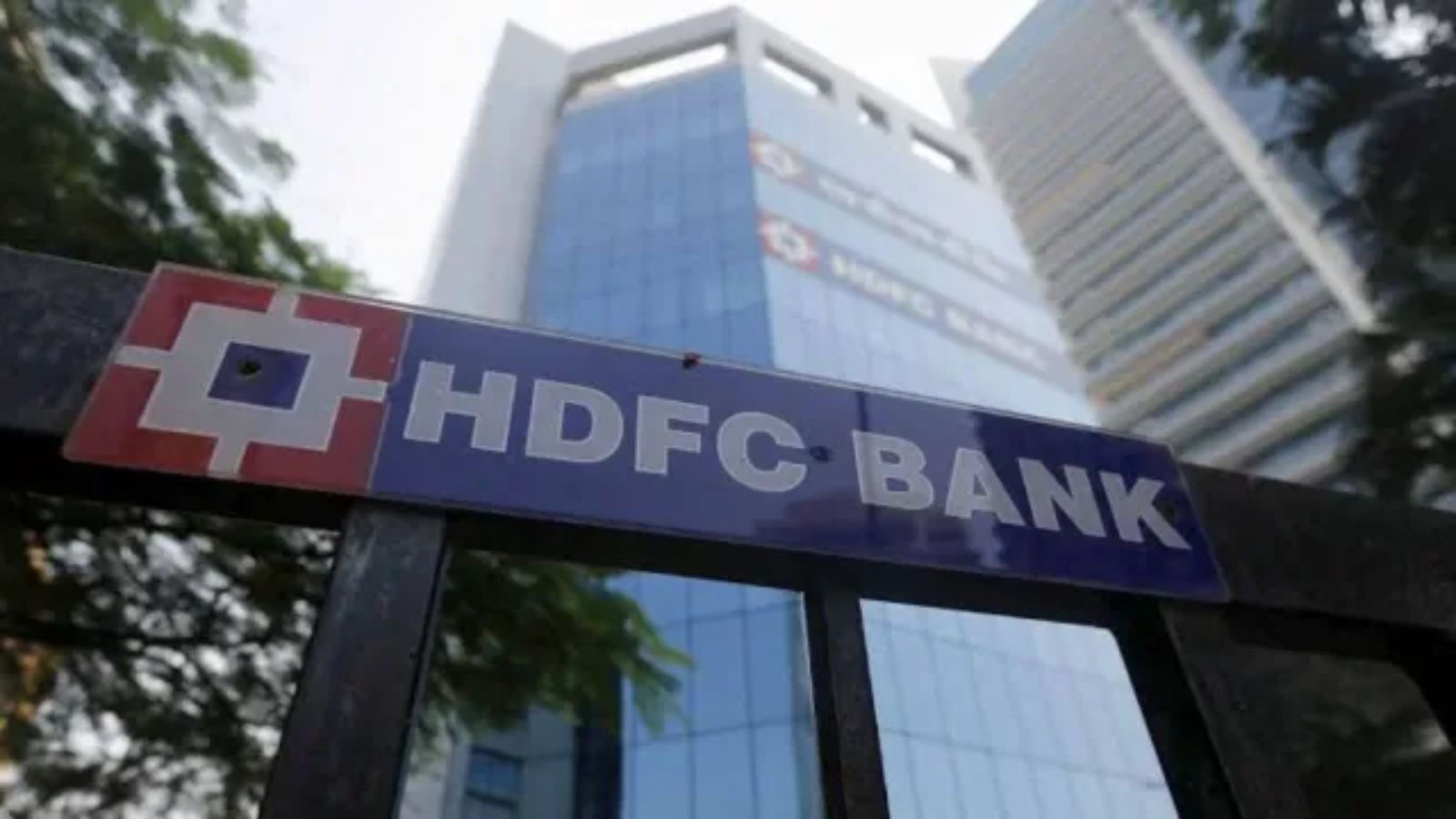
The High Civil Court in Bahrain has ruled in favor of HDFC Bank, dismissing seven lawsuits filed by investors regarding the write-down of Credit Suisse AT-1 bonds. The ruling reinforces the bank's position as a facilitator rather than an underwriter.
- Bahrain High Civil Court rejected 7 claims against HDFC Bank regarding Credit Suisse AT-1 bonds.
- The court found no evidence of gross negligence or misrepresentation by the bank.
- This follows a similar dismissal by India's NCDRC in March 2026.
HDFC Bank has achieved a significant legal victory in Bahrain, where the High Civil Court dismissed multiple proceedings brought by investors who had purchased Additional Tier 1 (AT-1) bonds issued by Credit Suisse. After a thorough examination of the evidence, the court rejected all allegations against the bank and ordered the plaintiffs to cover the costs of the proceedings.
The dispute centers on the nature of AT-1 bonds—complex financial instruments designed to absorb losses during periods of financial stress. Unlike traditional bonds, AT-1s are perpetual, meaning they have no fixed maturity date, and can be written down to zero or converted into equity depending on regulatory triggers.
The Global Fallout of Credit Suisse
The controversy ignited in 2023 when Swiss regulators ordered the complete write-down of approximately $17 billion in AT-1 bonds as part of the forced acquisition of Credit Suisse by UBS. This move caused an international uproar, as equity shareholders received some compensation via UBS stock, while AT-1 bondholders saw their investments vanish entirely.
The Credit Suisse incident redefined the perceived risk of hybrid capital instruments in the global banking ecosystem.
Allegations and Judicial Findings
Investors had alleged that HDFC Bank engaged in gross negligence, intentional misrepresentation, and the misuse of financial leverage. Specifically, it was claimed that the bank failed to disclose the inherent risks and misclassified customers to allow unqualified individuals to invest. However, the Bahrain court ruled that the investors failed to provide admissible evidence to prove that HDFC Bank was responsible for their financial losses.
Why This Matters
BozokMedia analysis shows that these rulings create a critical legal precedent for the banking industry. By designating the bank as a 'facilitator,' the courts are emphasizing the principle of caveat emptor (buyer beware) for sophisticated financial products. However, the internal disciplinary action taken by HDFC Bank against 15 executives—including those at the Dubai International Financial Centre (DIFC) branch—suggests that while the bank won in court, there were indeed gaps in its internal onboarding and sales compliance.
| Feature | Conventional Bonds | AT-1 Bonds |
|---|---|---|
| Risk Profile | Low to Moderate | Very High |
| Maturity | Fixed Term | Perpetual |
| Capital Protection | High Priority | Subject to Write-down |
Frequently Asked Questions
1. Why were the AT-1 bonds written down to zero?
Swiss authorities exercised their power to wipe out these bonds to stabilize Credit Suisse during its takeover by UBS, as these bonds are designed to absorb losses.
The National Consumer Disputes Redressal Commission (NCDRC) dismissed similar complaints in March 2026, stating that investors acted autonomously.