The Insolvency and Bankruptcy Board of India (IBBI) has warned professionals against the misuse of the IBC framework to dodge taxes and escape investigations, triggered by a controversial repayment plan in the Subhash Chandra case.
- IBBI warns against using bankruptcy laws to evade taxes, investigations, or regulatory scrutiny.
- Six red-flag indicators identified to detect fraudulent insolvency processes.
- Controversy erupted over a repayment plan offering ₹6.25 crore against claims of ₹22,006 crore.
The Insolvency and Bankruptcy Board of India (IBBI) has issued a critical circular directing insolvency professionals (IPs) to remain vigilant against the misuse of the bankruptcy process. The regulator emphasizes that the Insolvency and Bankruptcy Code (IBC), 2016, must be used strictly for the resolution or liquidation of financially stressed companies, rather than as a tool for corporate evasion.
According to the IBBI, intelligence from law enforcement and regulatory agencies suggests that the law is being exploited to dodge taxes, avoid ongoing investigations, facilitate mergers without regulatory oversight, or ring-fence assets to protect them from creditors.
Six Red Flags for Misuse
The board has listed six specific indicators that should trigger immediate scrutiny by insolvency professionals:
- Grossly low recoveries for creditors without a justifiable valuation report.
- Dominance of a single non-bank creditor within the Committee of Creditors (CoC).
- Clusters of related companies with overlapping promoters, directors, or addresses entering bankruptcy.
- The recurrence of the same resolution applicant across multiple connected corporate debtors.
- Direct links between the corporate debtor and fraud probes by other regulators.
- Suspicious inter-company loans within a corporate group.
Why This Matters
BozokMedia analysis shows that the integrity of the IBC is currently under threat due to the increasing trend of extreme 'haircuts'. When a legal framework designed for recovery is used to wipe out massive debts with negligible payments, it undermines the confidence of financial institutions and threatens the stability of the credit market.
The systemic risk arises when the bankruptcy process becomes a sanctuary for debtors rather than a mechanism for recovery.
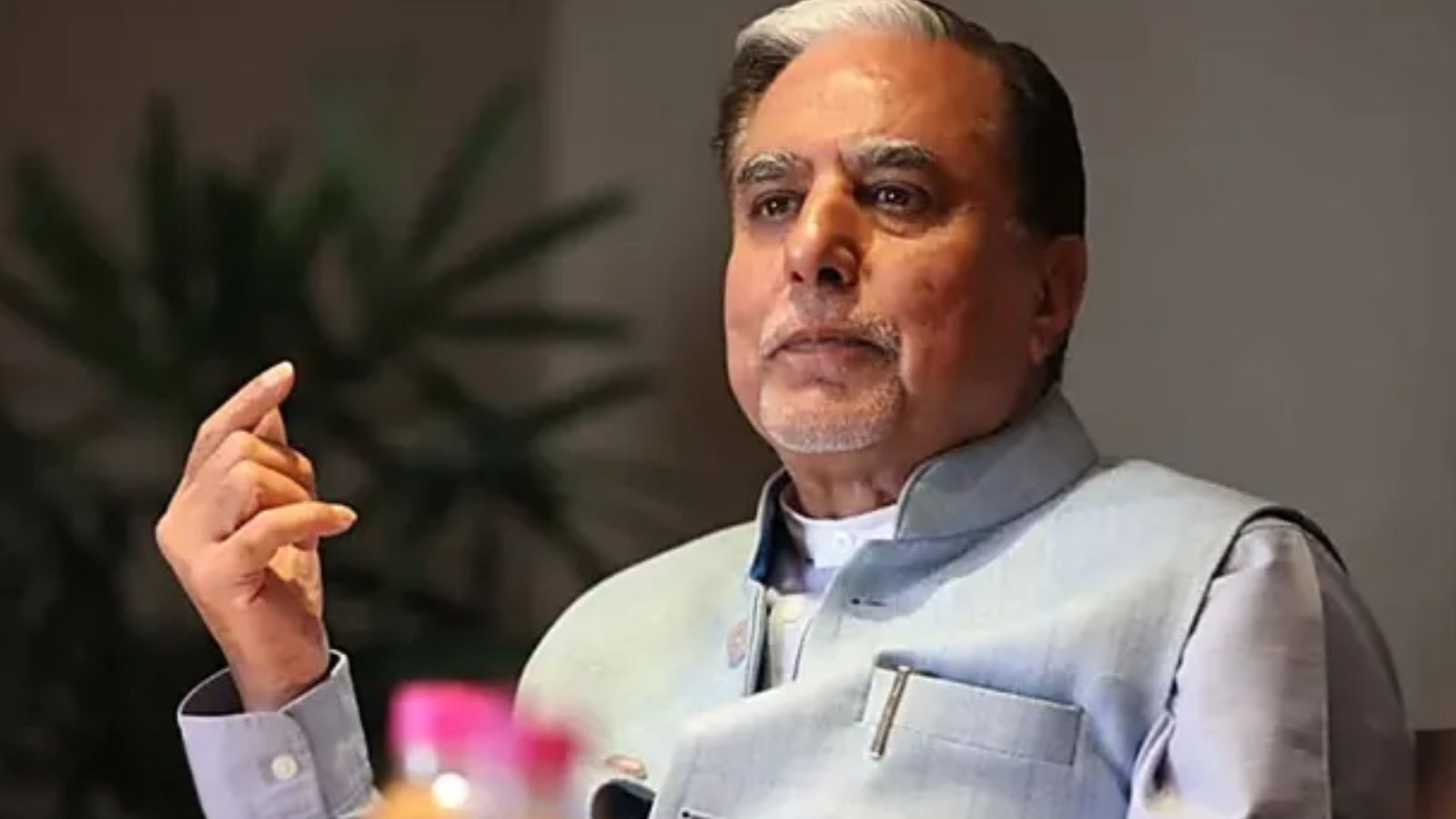
The urgency of this circular follows a startling order by the National Company Law Tribunal (NCLT) on August 25 involving Subhash Chandra, founder of the Essel Group. A single-member bench had approved a repayment plan that offered just ₹6.25 crore to creditors against admitted claims of ₹22,006.57 crore. While a five-member special bench later stayed the order, the incident highlighted a dangerous loophole where related parties could potentially influence the CoC to push through minimal settlements.
| Metric | Subhash Chandra Case (Proposed) | IBC Avg Recovery (FY22-26) |
|---|---|---|
| Total Claims | ₹22,006.57 Crore | Various |
| Recovery Amount | ₹6.25 Crore | ~29% (Average) |
| Recovery % | ~0.028% | 20% (Lowest in FY26) |
Frequently Asked Questions
Q1: What should an insolvency professional do if they suspect fraud?
A: They must file an application before the NCLT detailing the indicators noticed, the material evidence, and the reasons for their suspicion.
Q2: Why is the recovery rate in IBC declining?
A: Factors include deteriorating asset quality of corporate debtors and the tendency of some resolution plans to offer deep haircuts to ensure a quick exit.