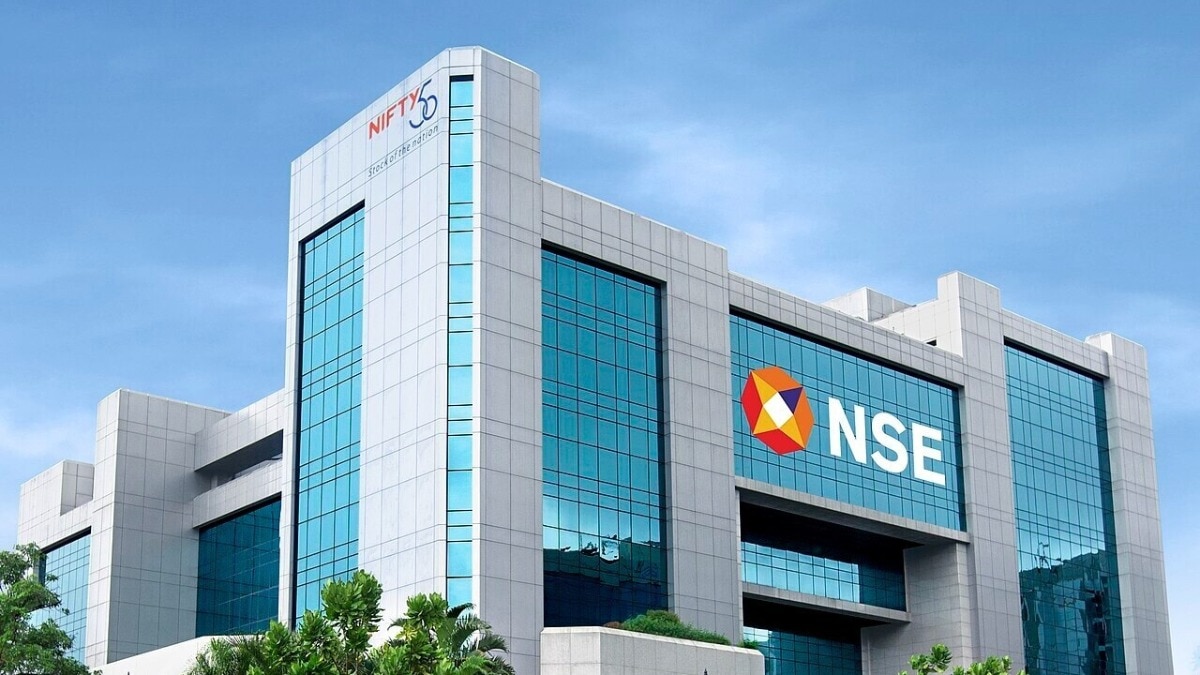
Top shareholders of the National Stock Exchange (NSE) have scaled back their planned share sales in the upcoming IPO, betting on higher valuations in the secondary market. The move comes as informal trading prices exceed the expected IPO price band.
- Major shareholders including National Insurance and GIC have reduced their stake sale in the NSE IPO.
- The IPO size has been trimmed from 6% to 5.2% of total equity capital.
- Unlisted shares are trading between Rs 2,000-2,100, significantly higher than the expected IPO band of Rs 1,700-1,785.
- Tightened SEBI regulations on options trading have put pressure on the exchange's valuation.
The National Stock Exchange (NSE), one of the world's largest derivatives exchanges, is preparing for a highly anticipated Initial Public Offering (IPO). However, recent reports indicate a strategic shift among its top investors. Several heavyweight shareholders have decided to reduce the number of shares they intend to offload, signaling a lack of confidence in the current proposed price band and a stronger bet on post-listing gains.
According to sources, the IPO is expected to be priced between Rs 1,700 and Rs 1,785 per share. Because this is an Offer for Sale (OFS), no new capital will be raised for the exchange; instead, all proceeds will go directly to the selling shareholders. At the upper limit, the IPO would be valued at approximately Rs 22,600 crore, potentially making it one of the three largest IPOs in Indian history, alongside giants like Reliance Jio and Hyundai Motor India.
The reduction in stake sale is evident in the numbers. The overall issue size has been slashed to 5.2% of total equity capital, down from the initial 6%. Shareholders such as the National Insurance Company of India, General Insurance Company (GIC), Stock Holding Corporation, and various international funds including MS Strategic (Mauritius) and Mahogany Ltd (Singapore) have trimmed their offerings. Indian banks like Bank of Baroda and Indian Bank have also formally notified exchanges of their reduced sale plans.
Why This Matters
BozokMedia analysis shows that this move is a calculated gamble on the 'secondary market premium'. When unlisted shares trade at Rs 2,000-2,100—well above the IPO's expected ceiling—institutional investors view the IPO price as an undervaluation. By holding onto more shares, these entities aim to capture the price surge that typically follows the listing of a dominant market leader.
The divergence between the informal market price and the IPO price band suggests that institutional investors are pricing in a significant 'listing pop' for the NSE.
However, the valuation is not without its headwinds. The NSE derives over 60% of its revenue from transaction charges on options trading. Recent regulatory interventions by SEBI to curb retail speculation in the derivatives market, coupled with higher taxes and new closing auction sessions, have impacted volumes. In August, options turnover saw a year-on-year decline of over 12%, creating a tug-of-war between the exchange's intrinsic dominance and regulatory pressures.
| Metric | Original Plan | Revised Plan |
|---|---|---|
| Issue Size (% of Equity) | 6% | 5.2% |
| Shares to be Sold | 14.9 Crore | 12.6 Crore |
| Expected Price Band | - | Rs 1,700 – 1,785 |
| Informal Market Price | - | Rs 2,000 – 2,100 |
Frequently Asked Questions
Q1: Why are investors selling fewer shares in the NSE IPO?
Investors believe the IPO price band (Rs 1,700-1,785) is too low compared to the informal market price (Rs 2,000-2,100) and expect better returns after the stock begins trading publicly.
Q2: Will the NSE receive any money from this IPO?
No, this is an Offer for Sale (OFS), meaning the money goes to the existing shareholders who are selling their stakes, not to the NSE itself.