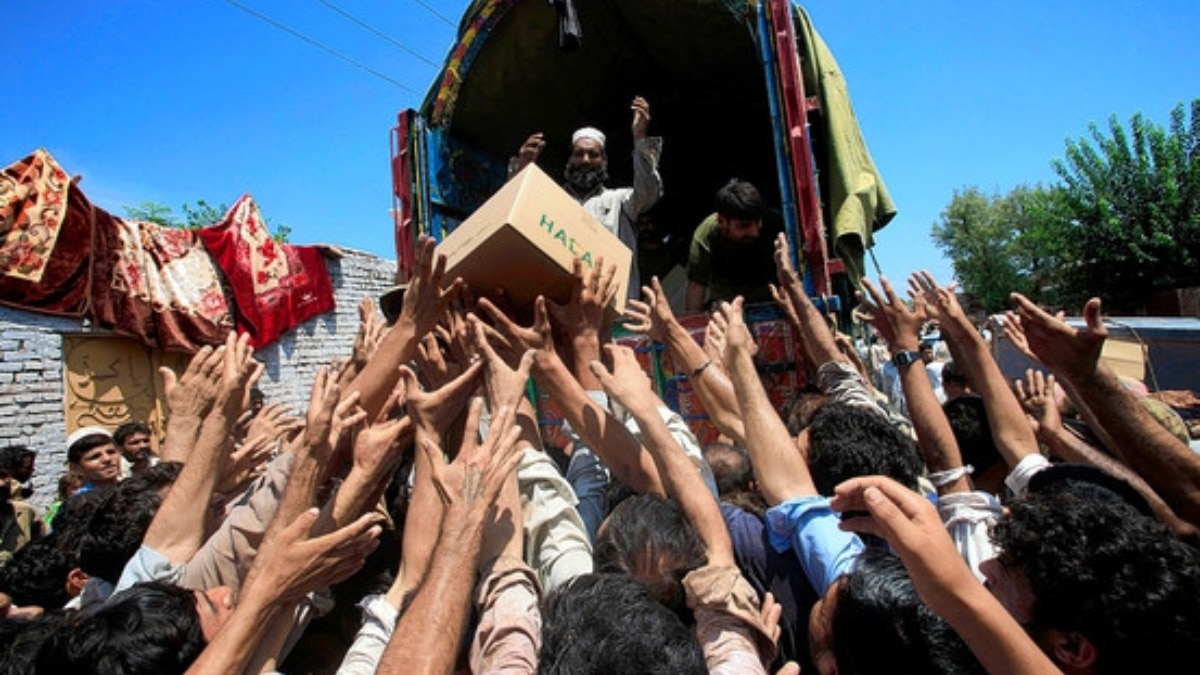
Pakistan is facing a severe economic turmoil as the government hikes fuel prices daily, coupled with a sharp rise in the cost of essential staples like wheat flour and bread.
- Daily revisions in petrol and high-speed diesel (HSD) prices are causing market volatility.
- Bread prices have surged by 8-9%, impacting breakfast and fast-food costs.
- Wheat flour prices have seen a drastic increase, making basic sustenance unaffordable for many.
- Government delays in importing 1 million tons of wheat are blamed for market instability.
The neighboring country of Pakistan is currently grappling with a devastating inflation crisis. For the common citizen, the economic burden has become unbearable, with price hikes occurring almost daily. On September 10, the population faced a 'double blow' as the government increased fuel prices while the cost of bread—a primary food staple—spiked simultaneously.
The Shock of Daily Fuel Price Adjustments
According to reports from the Express Tribune, petrol prices increased by 3.40 PKR per liter, and High-Speed Diesel (HSD) rose by 6.72 PKR per liter on September 10. This brings petrol to 367.75 PKR and HSD to 392.67 PKR per liter. A critical shift occurred on July 17, when the Shehbaz Sharif government introduced a new pricing mechanism. Prices, which were previously adjusted every 15 days or weekly, are now revised on a daily basis, leaving the public in a state of constant financial uncertainty.
Why This Matters
BozokMedia analysis shows that daily fuel price volatility creates a ripple effect across the entire supply chain. Since diesel powers the transport of agricultural produce, any hike immediately inflates the cost of vegetables and grains. This systemic instability suggests that Pakistan is not just facing a price hike, but a fundamental breakdown in its economic price-stabilization mechanisms.
"The transition to daily fuel pricing has stripped the market of predictability, leaving both retailers and consumers vulnerable to sudden shocks."
The Rising Cost of Bread and Fast Food
Reporting from 'Dawn', bread prices have surged by 8% to 9% for the second time this year. Large bread packets have jumped from 240 to 270 PKR, medium packets from 180 to 200 PKR, and small packets from 130 to 140 PKR. This inflation has extended to the fast-food sector, where the price of burger buns has increased, making affordable street food a luxury for many.
| Item | Previous Price (PKR) | New Price (PKR) |
|---|---|---|
| Large Bread Packet | 240 | 270 |
| Medium Bread Packet | 180 | 200 |
| Small Bread Packet | 130 | 140 |
| Burger Bun (Pack of 4) | 130 | 140 |
Wheat Crisis and Governance Failure
The most alarming trend is the price of wheat flour. By the end of March 2026, a 20kg bag of flour ranged between 1,810-2,740 PKR; it has now skyrocketed to 2,200-3,200 PKR. Local traders argue that the government failed to stabilize the market by delaying the decision to import 1 million tons of wheat, leading to uncontrolled prices in the open market.
Frequently Asked Questions
Q1: Why have bread prices increased in Pakistan?
A: The hike is attributed to rising costs of electricity, gas, raw materials, and overall transportation expenses.
Q2: How often are fuel prices changed now?
A: Following a policy change in July, fuel prices are now revised on a daily basis instead of every two weeks.