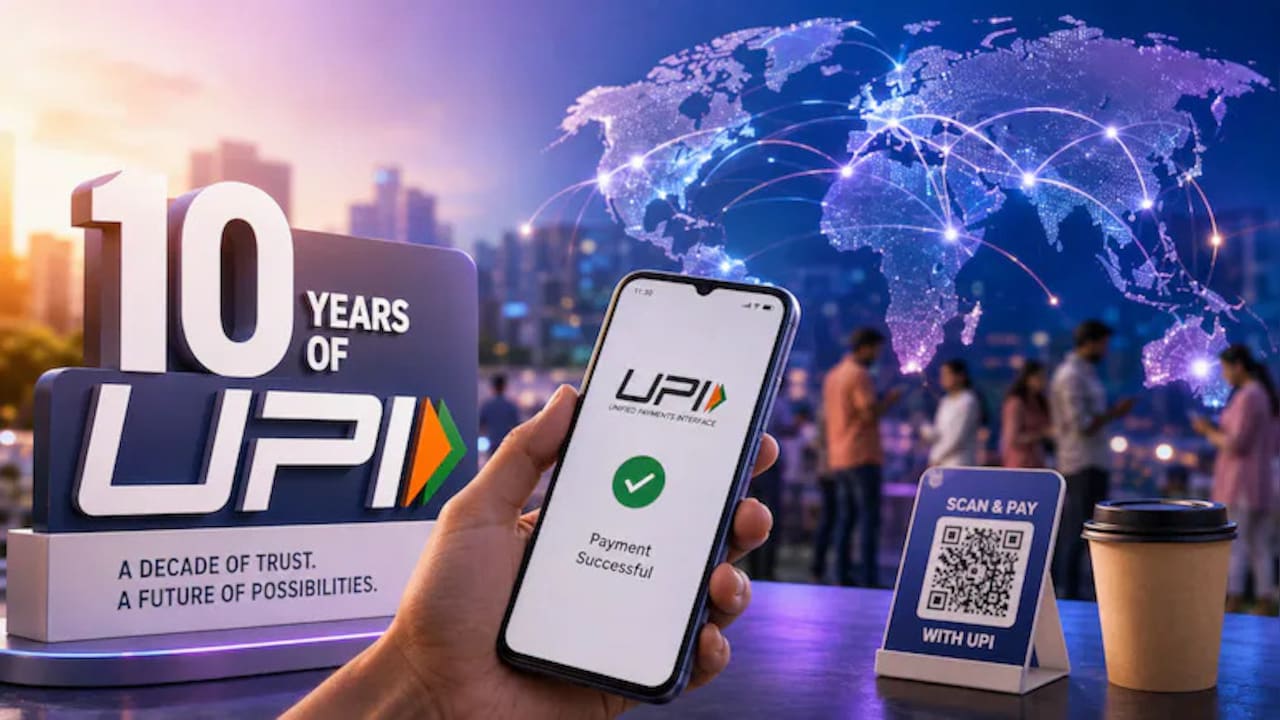
International UPI offers travelers a seamless way to handle overseas spending, but its cost-effectiveness compared to traditional methods remains a point of debate.
- UPI is now operational across 11 different nations.
- It provides a convenient digital alternative to carrying physical cash or Forex cards.
- Cost-efficiency depends on real-time exchange rates and specific bank mark-ups.
The Unified Payments Interface (UPI), India's homegrown digital payment powerhouse, has officially crossed borders. Now operational in 11 nations, UPI is transforming how Indian travelers manage their finances abroad, moving away from the cumbersome reliance on physical currency and specialized travel cards.
For decades, the gold standard for international travel was either the Forex card—which allows users to lock in exchange rates—or the traditional method of carrying hard cash. UPI disrupts this by allowing users to scan a QR code and pay instantly from their linked bank accounts.
Why This Matters
BozokMedia analysis shows that the global adoption of UPI is a strategic move toward financial diplomacy. By reducing the reliance on traditional intermediaries and the expensive SWIFT network, India is positioning its financial technology as a global benchmark for efficiency and transparency.
"The internationalization of UPI represents a shift toward a frictionless global economy where borders no longer dictate payment speed."
However, the question of 'cost' is nuanced. While UPI eliminates the need to pay high premiums for loading a Forex card, it subjects the user to real-time exchange rate volatility. In a volatile market, a Forex card might actually be cheaper because the rate was locked in weeks prior to the trip.
| Feature | International UPI | Forex Card | Cash |
|---|---|---|---|
| Convenience | Very High | Medium | Low |
| Exchange Rate | Real-time | Fixed/Locked | Bank Rate |
| Security Risk | Minimal | Moderate | High (Theft/Loss) |
Historically, cross-border payments were plagued by high fees and long settlement periods. The transition to a UPI-based system mirrors the broader global trend of 'instant payments,' where the time-to-settlement is reduced from days to milliseconds.
Frequently Asked Questions
1. Does using international UPI incur extra fees?
Depending on your bank, there may be a small currency conversion markup or a transaction fee.
2. Can I use UPI at any store abroad?
No, it is currently limited to merchants and regions that have integrated UPI-compatible payment gateways.