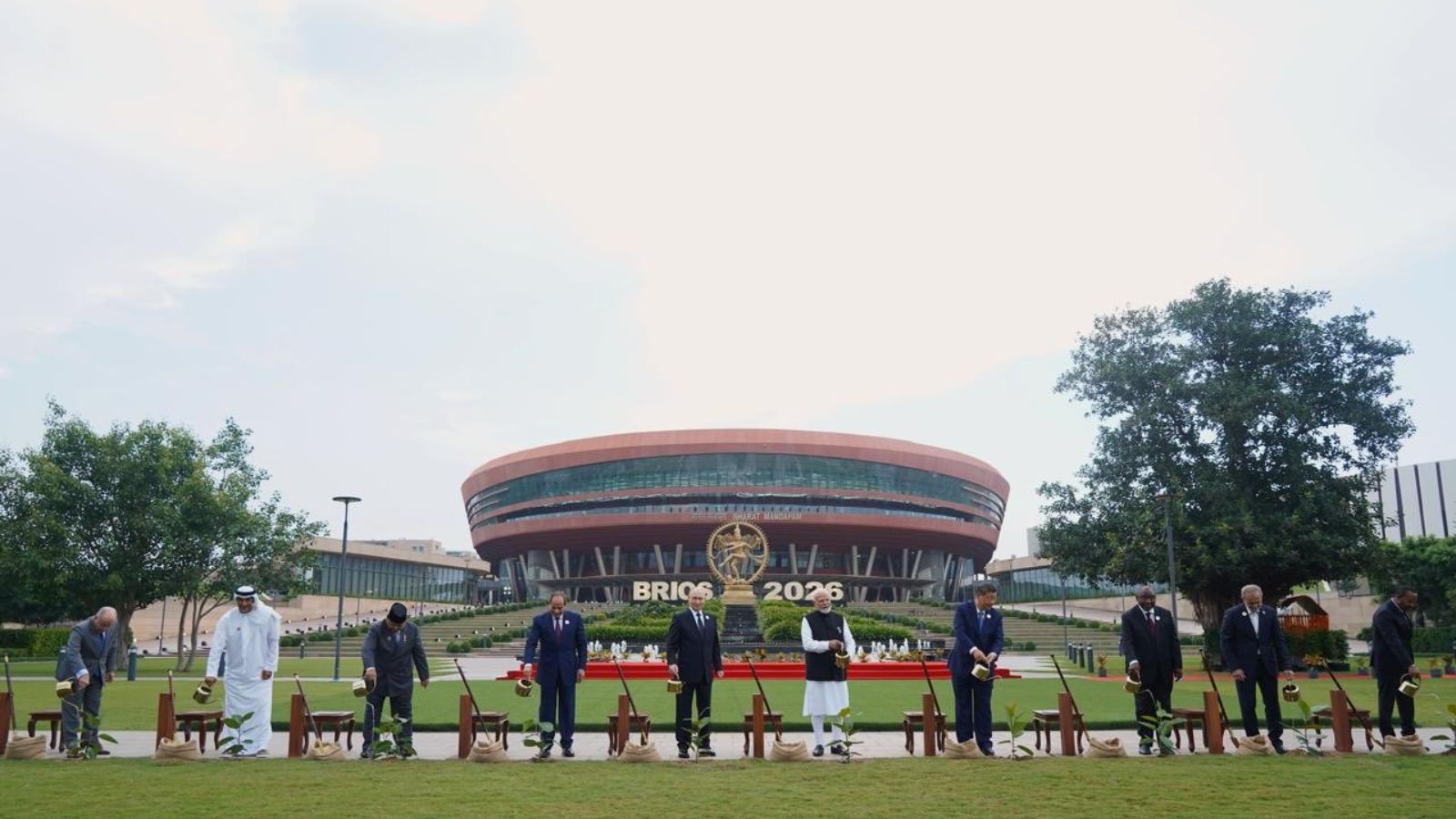
India faces a massive $224 billion trade deficit with BRICS nations, driven largely by imbalances with China. This report examines the economic implications and the shift toward local currency trading.
- India's trade deficit with BRICS nations has surged to a staggering $224 billion.
- The imbalance is primarily driven by heavy imports from China.
- There is a strategic push to utilize local currencies to reduce USD dependency.
New economic data has cast a spotlight on India's growing trade vulnerabilities within the BRICS bloc. The cumulative trade deficit with member nations has reached an alarming $224 billion. This figure highlights a significant structural imbalance in India's trade profile, particularly concerning its relationship with major economies like China and Russia.
A primary driver of this deficit is the massive influx of goods from China. While India has sought to boost domestic manufacturing through initiatives like 'Make in India,' the reliance on Chinese imports for electronics, machinery, and active pharmaceutical ingredients (APIs) remains high. This creates a persistent unfavorable balance of payments.
Why This Matters
BozokMedia analysis shows that a widening trade deficit within the BRICS bloc poses a dual threat: it strains India's foreign exchange reserves and complicates the goal of achieving economic self-reliance. As the bloc seeks to challenge the hegemony of the US Dollar, the internal trade dynamics between members will determine the group's ultimate stability.
Navigating the trade imbalance with China while strengthening ties with Russia will be the cornerstone of India's BRICS strategy.
In response to these challenges, Commerce Minister Piyush Goyal has advocated for increased trade in local currencies among BRICS nations. This move is intended to de-dollarize international trade and provide a buffer against the volatility of the US Dollar-dominated global financial system.
Historical Background
Since its inception, BRICS has evolved from a mere economic acronym into a powerful geopolitical alliance. Over the last 20 years, the grouping has expanded its influence, aiming to create a multipolar world order. However, this expansion has also brought about intense intra-group competition and complex trade dependencies.
Frequently Asked Questions
1. Why is the trade deficit with China so high?
India imports a vast array of high-tech components and raw materials from China that are currently not produced at scale domestically.
2. How does trading in local currency help?
It reduces the need for US Dollars in bilateral transactions, thereby lowering transaction costs and shielding economies from USD fluctuations.