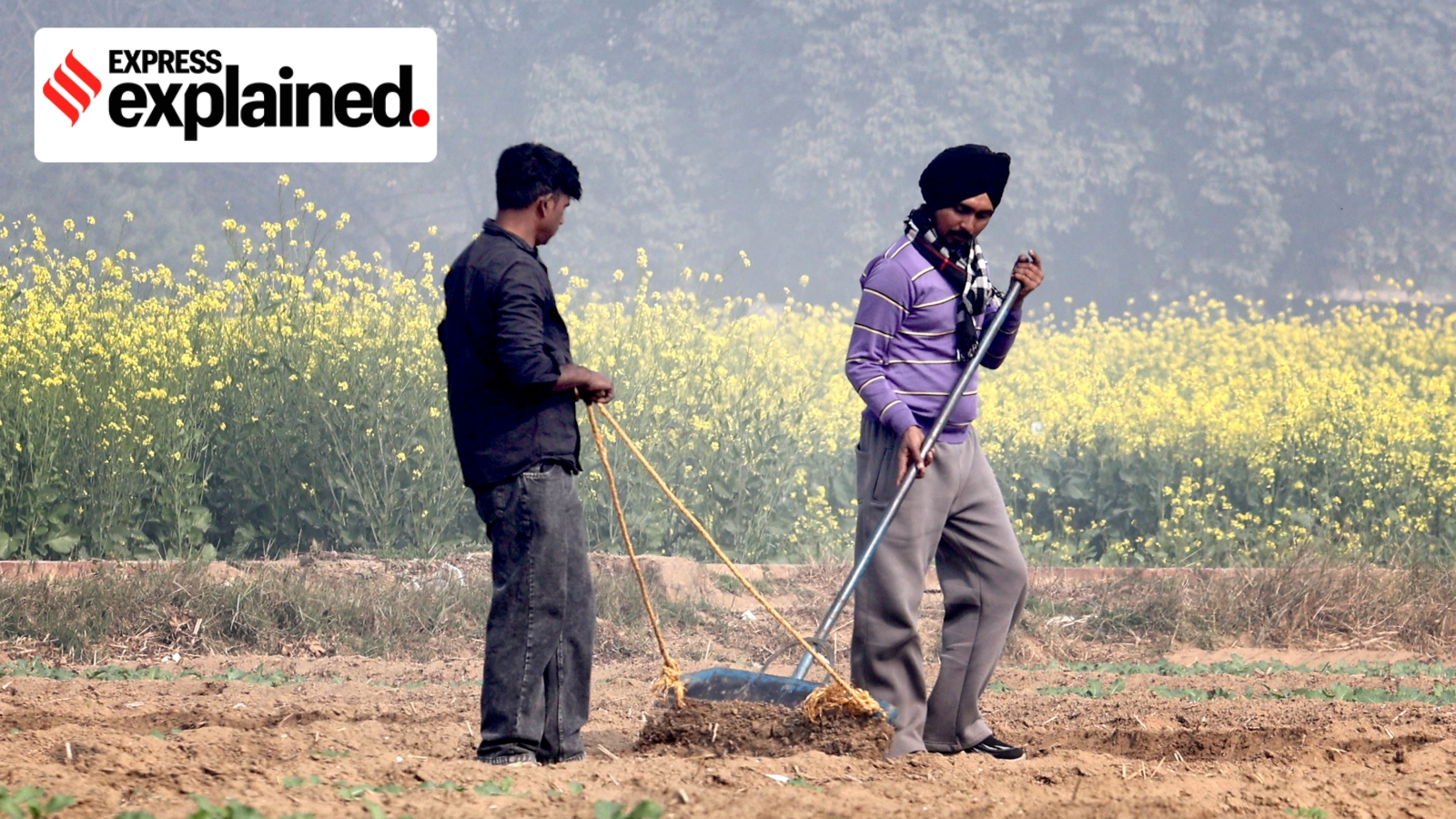
Despite a comprehensive 200-page policy draft and unanimous recommendations from a legislative committee, Punjab's much-needed agricultural reforms remain in limbo. We dive into why the implementation is pending.
- The Punjab Agricultural Policy 2023 is a massive 200-page document designed by an 11-member expert committee.
- A legislative committee led by MLA Gurpreet Singh Banawali has unanimously recommended its implementation.
- Key pillars include groundwater conservation, debt relief, and crop diversification beyond the wheat-paddy cycle.
- Financial constraints and political timing are cited as potential hurdles to its rollout.
Punjab, the backbone of India's food security, finds itself at a critical crossroads. Despite being an agrarian-heavy state, it lacks a functional, comprehensive agricultural policy. The Punjab Agricultural Policy 2023 was meticulously crafted to address systemic issues, yet it sits on the shelf, waiting for executive action. This delay comes at a sensitive time, with assembly elections looming on the horizon.
The policy is not merely a suggestion for crop rotation; it is a holistic overhaul of the rural economy. It proposes a 30% reduction in water usage by restricting long-duration paddy varieties and promoting micro-irrigation. Furthermore, it addresses the socio-economic plight of farmers through proposed debt-swapping mechanisms, livestock insurance, and even a pension scheme for small-scale farmers and laborers after the age of 60.
Why This Matters
BozokMedia analysis shows that the delay in implementing this policy exacerbates the state's dual crisis: rapidly depleting groundwater levels and a massive fiscal burden due to agricultural power subsidies, which currently stand at approximately ₹8,000 crore. Without a structured policy, Punjab remains trapped in a cycle of unsustainable farming practices.
A phased implementation of this policy could transform Punjab from a water-stressed region into a modern, diversified agricultural powerhouse.
Beyond conservation, the policy aims to turn Punjab into a regional 'seed hub' by establishing 13 Centres of Excellence. It also seeks to modernize the rural landscape through grid-connected solar systems for tubewells. While the initial capital investment for such technologies might be high, the long-term revenue generation and cost savings on subsidies are projected to be immense.
Historical Background
The journey toward a dedicated policy has been long and fraught with political shifts. While a previous Congress-led administration attempted to draft a policy, it never reached the implementation stage. The current Aam Aadmi Party (AAP) government took the initiative in early 2023 by forming a high-level committee comprising agricultural scientists, economists, and senior bureaucrats like Chief Secretary K A P Sinha.
The legislative scrutiny reached a peak in March 2026, when the Committee on Agriculture and Allied Activities, chaired by Gurpreet Singh Banawali, submitted its report urging the government to adopt the policy, even suggesting a phased approach to manage the transition.
Frequently Asked Questions
1. What are the core components of the Punjab Agriculture Policy 2023?
Answer: It focuses on water conservation, debt settlement, crop diversification (moving away from paddy), and agricultural research/modernization.
2. Why hasn't the policy been implemented yet?
Answer: While the legislative committee has recommended it, the government faces challenges regarding large-scale financial investment and the complexity of phased implementation.