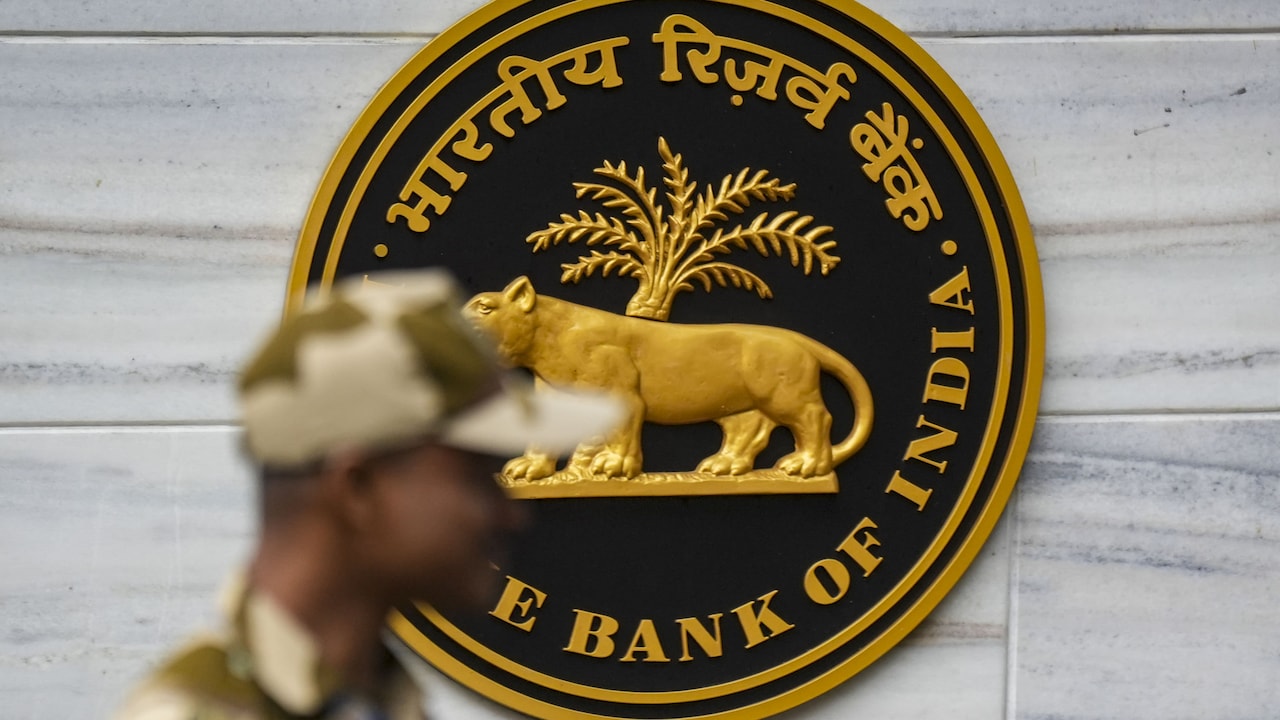
The Reserve Bank of India has rejected Tata Sons' application to surrender its core investment company registration, potentially forcing the holding company into a mandatory stock market listing.
- RBI rejected Tata Sons' application to surrender its Core Investment Company (CIC) registration.
- The move effectively blocks Tata Sons' attempt to bypass mandatory stock market listing.
- Tata Sons is now expected to move toward becoming a publicly traded entity.
In a significant regulatory development, the Reserve Bank of India (RBI) has rejected the application submitted by Tata Sons to surrender its Core Investment Company (CIC) registration. This decision, according to sources, effectively ends the Tata Group's holding company's attempt to avoid mandatory stock market listing requirements.
The rejection sets the stage for a massive shift in the group's corporate structure. By denying the surrender of registration, the regulator has ensured that the company remains within the ambit of specific financial regulations that mandate transparency and public accountability.
Historical Background
Tata Sons serves as the principal investment holding company and promoter of the Tata Group. It holds significant stakes in iconic entities such as Tata Motors, Tata Steel, and Tata Consultancy Services (TCS). For years, the structural nuances of how the holding company operates have been a subject of intense interest among market analysts and regulators alike.
Why This Matters
BozokMedia analysis shows that this regulatory stance reinforces the importance of oversight for large-scale holding companies. If Tata Sons proceeds with an Initial Public Offering (IPO), it would be one of the most significant listings in the history of the Indian capital markets, offering investors direct exposure to the group's core assets.
The RBI's decision underscores a tightening regulatory environment designed to prevent large conglomerates from evading public disclosure norms.
The implications of this decision extend beyond just one company; it sends a clear signal to all major Indian conglomerates regarding the necessity of compliance with CIC guidelines. While neither the RBI nor Tata Sons has issued an immediate formal comment, the market is bracing for significant volatility and structural changes.
Frequently Asked Questions
Question 1: Why did the RBI reject the application?
Answer: The RBI rejected the application to surrender the CIC registration, which prevents the company from bypassing the rules that lead to mandatory listing.
Question 2: What will happen to Tata Sons now?
Answer: Tata Sons will likely have to follow the regulatory path toward becoming a publicly traded company on the stock exchanges.


